
China's historic Silk Road city of Dunhuang and its archaeological treasures are under threat from the effects of climate change, human activity and mismanagement, state media reported on Sunday.
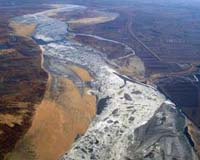
The oasis city, home to the UN World Heritage-listed Mogao Grottoes, has recently seen rivers run dry, vegetation die off, underground water levels fall sharply and sand storms increase, Xinhua news agency said.
Dunhuang was an important stop on the Silk Road, while the grottoes — also called the Cave of a Thousand Buddhas — house one of the world's most extensive and historic Buddhist temple complexes, stretching back more than 1,500 years.
But population pressures, haphazard development and a changing climate now "threaten the cultural relics and local scenery", Xinhua quoted an unnamed official with the national evironment watchdog as saying.
The official with the State Environmental Protection Administration called for the establishment of an ecological reserve at Dunhuang.
"A national ecological reserve is urgently needed in Dunhuang to protect its civilisation and heritage that has a history of more than 1,000 years," the official was quoted as saying.
The official also blamed local administrators for failing to put in place proper planning to balance economic development with protection of the area.
The cave shrines, built between the fourth and 14th centuries A.D., house some of the world's best examples of ancient Buddhist art.
