
France has urged the European Commission to impose "systematic controls" on imports of fresh produce from Japan into the EU, amid fears of nuclear contamination, the agriculture ministry said Tuesday.
On Monday and Tuesday "France has called on the European Commission to introduce a harmonised European control scheme and therefore put in place systematic controls for all fresh produce reaching Europe's borders," from Japan," a ministry official said.
"We hope this decision will be taken as soon as possible," the agriculture ministry added.
France itself has already introduced such checks on food imports from Japan amid fears of contamination from the quake-stricken Fukushima nuclear power plant.
"Following the events that affected the Fukushima nuclear power plant, we have put in place a mechanism to boost checks on food coming from Japan," top consumer affairs official Frederic Lefebvre told AFP earlier in the day.
Samples taken from animal products and fresh produce will be subjected to laboratory analysis "before any release of merchandise" by customs, he said.
Lefebvre stressed however that the volume of Japanese food imports to France is small, largely fish and seafood products.
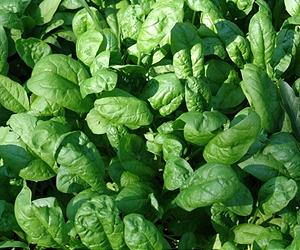
Abnormal radiation levels were detected Saturday in milk and spinach products near the Fukushima plant.
Traces of radioactive iodine and caesium were also found in tap water in the Tokyo area which were declared to be within safety standards for drinking water.
earlier related report
Australia says Japan food risk 'negligible'
Sydney (AFP) March 22, 2011 –
Australia on Tuesday moved to reassure consumers that food imported from Japan was safe to eat, saying the chance of products being affected by radiation was 'negligible'.
Japan has ordered a halt to shipments of certain foods from four prefectures after abnormal radiation levels were found in products near the quake-hit Fukushima No. 1 nuclear plant.
But Food Standards Australia New Zealand, a bi-national government agency, said it was not concerned.
"At the present time, Australia's food standards regulator considers the risk of Australian consumers being exposed to radionuclides in food imported from Japan to be negligible," it said on its website.
Although the food regulator represents Australia and New Zealand the statement did not refer to the latter nation's stance on Japanese imports.
Australia does not ship fresh produce from Japan with imports limited to a small range of specialty products, such as seaweed-based products and sauces.
"Any processed Japanese food on supermarket shelves in Australia would have been imported before the earthquake and is therefore safe to eat," it said, adding that no extra restrictions on Japanese food were in place.
Share This Article With Planet Earth
