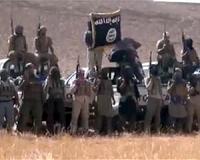
Iraq deployed reinforcements to a military base in Anbar on Monday for an impending operation against the Islamic State group in the western province, a senior officer said.
IS overran large parts of Anbar province in 2014, but Iraqi forces recaptured provincial capital Ramadi from the jihadists and are now setting their sights on areas farther up the Euphrates river valley.
"Major military reinforcements… arrived today to the Ain al-Asad base," army Major General Ali Ibrahim Daboun said.
The forces from the counter-terrorism service and police will take part in an operation in the coming days to retake the town of Heet and the nearby Kubaisa area, Daboun said.
The Al-Asad base is located northwest of those areas, while Ramadi, where government forces are also deployed, lies to its southeast.
IS overran swathes of Iraq in 2014, but its forces have since regained significant ground from the jihadists with the help of US-led air strikes.
Bitter backlash for Iraq's 'no chocolate' cleric
Baghdad (AFP) Feb 22, 2016 –
Iraqis took to social media Monday to pile ridicule on a cleric who said in a sermon that people should cut down on chocolate bars to fight the economic crisis.
At a Baghdad mosque on Friday, Sheikh Jalaleddin al-Saghir took aim at Iraqis' immoderate love of "Nestle" — a generic term for chocolate bars which they pronounce "Nestelleh".
"Brothers, chocolate bars are not necessary. Restrict your spending because you may be in need tomorrow," said the cleric, a former MP from one of the country's leading parties.
A video of the sermon, in which Saghir suggests Iraqis could save 70 percent of their salaries if they tried a bit harder, has since gone viral, drawing widespread online anger and derision.
Nabil Jassem, a leading journalist and key figure of a protest movement formed last year against corruption and poor services, released his own video message.
"No, your eminence, chocolate bars are very necessary. Why has this fate befallen us?" he asked.
"We did not eat chocolate bars in the eighties, we did not eat chocolate bars in the nineties. Are we a poor people, is our state a poor state?"
Iraq has some of the world's largest proven oil reserves, but years of corruption and mismanagement combined with plunging oil prices have left it dangerously close to insolvency.
In comments to posts of the cleric's video, many argued that a worse case of bad spending might be the millions alloted to the privileges Iraqi politicians enjoy, such as lifetime bodyguard protection for former lawmakers.
A chocolate bar costs an average of 250 dinars (around 20 US cents) in Iraq.
Internet users flooded social media sites with poems, cartoons and photomontages showing Saghir's effigy on various popular snack bars, including one that was rebranded "Chocoladdin" for the occasion.
A spokesman for the Supreme Iraqi Islamic Council party to which Saghir belongs stepped in with his own video posted online.
"Whoever attacks Sheikh Saghir will regret such a base act," Baligh Abu Gilal said.