
SPG Solar has commissioned Phase II of the 170 kilowatt commercial photovoltaic (solar energy) system for the Grgich Hills winery in Napa Valley, California. Together Phase I, completed in 2005, and Phase II of the Grgich Hills PV installation will produce 170.08 kilowatts DC of electricity during peak production hours. With the completion of Phase II, the PV system is expected to meet 100% of the winery's actual energy needs.
The system will pay for itself within five years.
SPG Solar will appear at the wine industry's premier showcase, the Unified WineGrape Symposium, in booth 2405 January 24-25, 2007 at the Sacramento Convention Center in Sacramento, CA.
SPG Solar is an expert provider of solar energy systems for wineries and vineyards, meeting their seasonal needs with clean renewable energy generated on-site. SPG has designed and installed PV systems for numerous wineries and wine industry businesses, for a cumulative 1.9 MW of power.
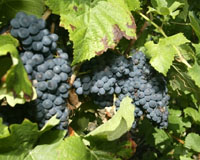
The solar energy system at Grgich Hills is integrated with the winery's philosophy to produce the most natural wine possible. Grgich Hills owns the largest biodynamic vineyards in the United States – all 366 acres in Napa are biodynamically farmed. All the vineyards are also certified organic.
"It was an economic and philosophical decision to install a solar energy system at Grgich Hills," said Assistant Winemaker Kevin Vecchiarelli. "We have a commitment to renewable resources, and put a lot of effort into creating a sustainable farming culture that benefits the land we use as well as the wine that we make. In creating a 100% self-sustaining winery, we wanted renewable energy to complete the cycle, and that's what solar provides for us."
"We are proud to have engineered and constructed this high performance solar system that over 25 years will have reduced over 1,091,000 pounds of carbon dioxide emissions; equal to saving 425 acres of rainforest or powering 1,150 homes for that same duration," said Dan Thompson, president and CEO of SPG Solar, Inc.
The PV system produces excess energy in the winter, when the vines are dormant and the winery's energy use is lowest. The excess flows back to the power grid of the local utility, PG&E, for credit in a process called net metering. The winery electric meter runs backwards on highly productive sunny winter days. Grgich taps into this utility credit during the summer grape-crush months when winery energy use is at its peak.
System Specifications
