
A streak of super-hot tropical nights is set to break a century-old South Korean weather record, according to official data released Wednesday, as the peninsula bakes in a prolonged heat wave.
The so-called tropical nights phenomenon refers to when the temperature does not drop below 25 degrees Celsius (77 Fahrenheit) overnight, according to the Korea Meteorological Administration.
Seoul experienced its 24th consecutive tropical night into Wednesday, marking the second-longest streak since modern weather observation began in 1907.
With forecasters saying the heatwave is set to continue, the country will likely break the record — 26 consecutive days — by Saturday.
The prolonged heatwave has gripped much of the country, driving electricity demand to an all-time high.
Maximum demand reached 102.3 gigawatts on Monday, surpassing the previous record of 100.5 gigawatts set last August, according to the Korea Power Exchange.
The intense heat has also led to the cancellation of three professional baseball games this month, the first such cancellations in the league's 43-year history.
The average number of "extreme heat" days experienced by South Korean cities has doubled over the last two decades, Greenpeace Korea said this week.
"This clearly illustrates the rising temperatures globally, leading to greater uncertainty and more widespread damage," said Greenpeace activist Lee Sun-ju.
The average global temperature over the past 12 months (July 2023 to June 2024) is the highest ever recorded, according to the European Copernicus Climate Change Service.
Scientists emphasise that repeated heatwaves are a hallmark of global warming linked to climate change.
North Korea reports 'fierce' heat as peninsula bakes
Seoul (AFP) Aug 13, 2024 –
North Korea is baking in a "fierce" heatwave, a weather agency official said Tuesday, with the mercury forecast to reach as high as 37 degrees Celsius and South Korea also enduring extreme temperatures.
The North was recently hit by severe flooding in its northern regions near China, with state media reporting on high-level efforts to mitigate the impact of "disastrous abnormal weather".
On Tuesday, Kim Kwang Hyok, an official at North Korea's State Hydro-Meteorological Administration, told AFP the country had "witnessed the fierce heat in recent days" including in the capital Pyongyang.
"Severe heat of 33 to 37 (degrees Celsius) is foreseen in some areas. That's why we announced a heatwave warning until 14th of August," he said.
"The State Hydro-Meteorological Administration is focusing on forecasting the fierce heat and is striving to inform… certain areas (so) that they can take necessary measures," he added.
South of the border, Seoul's interior ministry said that as of Tuesday 21 people had died from suspected heat-related causes this year as the country records unusually high temperatures.
South Korea is experiencing a heat wave, with the weather agency reporting a high Monday of 38.7C in the city of Yeoju, in Gyeonggi province.
It also flagged the so-called "tropical night" phenomenon — where overnight temperatures do not drop below 25C — which has happened for 22 straight days, the third-longest such streak since records began.
South Korea's electricity demand also hit an all-time high on Monday as the country's population battled the ongoing heat wave with air conditioners and fans.
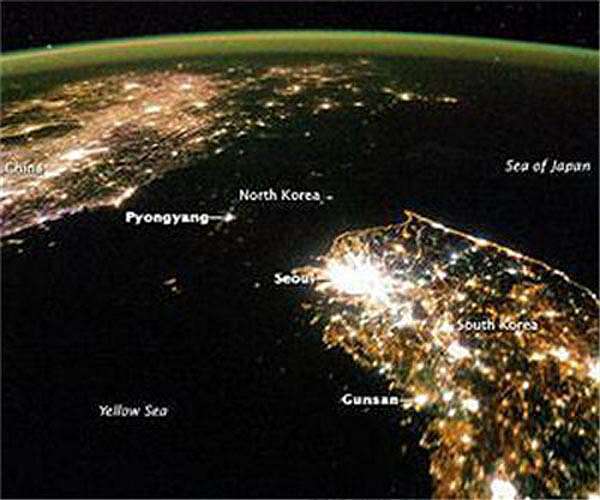
By contrast, the impoverished North has long endured power shortages, and experts say most residents have no access to air conditioning.
"Even in the capital city of Pyongyang, the wealthiest region in the country, only about 0.1 percent of the city's total population would be able to turn on an air conditioner when they want to," Ahn Chan-il, a defector-turned-researcher who runs the World Institute for North Korea Studies, told AFP.
He said that the North would never disclose heat casualties but that the number of deaths could be many times higher than in the South.
South Korean media have reported that the number of dead and missing in the North due to the recent flooding could be as high as 1,500.
However, leader Kim Jong Un last week dismissed the reports as a "grave provocation" and "an insult to the flood-stricken people who are all safe and well."
