
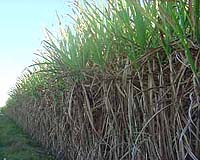
The UN Environment Programme on Thursday launched two projects to generate small-scale electric power from wastes in the tea and sugar plantations in eastern and southern Africa.
The 100-million-dollar projects, funded by the Global Environmental Facility (GEF), are expected to benefit 18 million farmers in some 11 countries.
The tea and sugar projects aim to generate 10 and 82 megawatts respectively in their initial phases with ambitions to increase production, the Nairobi-based UNEP said in a statement.
"These two new UNEP-led projects showcase the multiple benefits sustainable development can have for rural areas, offering social, economic and environmental benefits that help locally and globally," GEF chief Monique Barbut said in the statement.
Some 40 percent of electricity needs in the Indian Ocean island of Mauritius are met by waste by-products from the sugar industry.
"By relying on low-cost, renewable indigenous fuels such as sugar byproducts and offcuts from the timber industry, these cogeneration units will cut greenhouse gas emissions and reduce energy costs for the region's agro-processing and forest industries," the statement said.
