
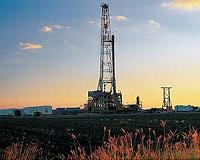
The number of rigs actively exploring for or producing U.S. oil and gas reserves was down short term, but still up year-on-year, Baker Hughes reported.
Baker Hughes reported 1,840 rigs actively exploring for or producing reserves in the United States for Monday, down 35 from the week ending Dec. 19.
The price for West Texas Intermediate, the U.S. oil price index, is down close to 50 percent from its peak in June. The price is at the point which some operators in U.S. shale basins may struggle to make a profit.
The price at which drillers break even in U.S. shale depends on the reserves, with prices ranging from around $50 per barrel for some Texas deposits to around $75 from some central U.S. fields.
Energy consultant group Wood Mackenzie finds most U.S. producers should be able to adapt to a lower price environment. It finds prices near $70 for WTI to be a threshold, though the slump is "so far not a material threat to U.S. tight oil or the industries that surround it."
Baker Hughes' data reflects some durability in the United States. The count of 1,840 for Monday was about 5 percent, or 83, more than recorded on the same date in 2013.
In Canada, where the up-front investment is higher, the rig count of 256 was 135 less than the number reported for the week ending Dec. 19, though down only 7 from the previous year. Internationally, Baker Hughes found an increase of 16 for the week and 13 year-on-year.
