
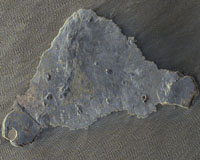
Indigenous people who live on Chile's Easter Island far out in the Pacific have voted to create a vast marine protection zone.
Along with a marine park that already exists, the new area will cover 720,000 square kilometers (280,000 square miles) around the island, which sits 3,500 kilometers (2,200 miles) off the Chilean coast.
The waters around the island are a spawning ground for tuna, shark, marlin and swordfish, and they also host shallow-water coral reefs that are home to unique marine species.
The seas around the island are under threat from over-fishing, rising tourism and the introduction of invasive species, as well as increasing acidity in the ocean water and climate change.
Chile's Environmental Minister Marcelo Mena, speaking at an environmental conference in La Serena, northern Chile, said the vote by the native Rapanui people means Chile will have the largest marine protection zone in Latin America.
In Sunday's vote, the Rapanui people also agreed that the new protected zone will be managed jointly with the Chilean government and that from now on, fishing around the island can be done only with traditional indigenous techniques.
"It has been a long process and we understand that the fight is just beginning," said Poki Tane Haoa, an official with the island's government.
"As a people we continue to shout, 'no to illegal fishing, no to industrial-scale fishing in our waters, no to mining,'" he added.
Easter Island is famous for its hundreds of "Moai" statues.
Pacific leaders to turn up heat on climate change
Climate change will dominate discussions when the leaders of vulnerable Pacific nations hold their annual meeting in the Samoan capital Apia this week, with global warming threatening their existence, officials say.
The 18-member Pacific Islands Forum (PIF) includes countries such as Kiribati and Tuvalu, which are only metres above sea level and risk being swamped by rising oceans.
Othe … read more
