
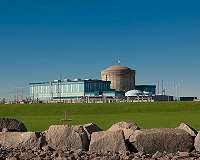
Virginia-based Dominion Energy announced Wednesday a plan to merge with troubled SCANA Corp., absorbing costs of the halted South Carolina nuclear plants in a deal valued at $14.6 billion.
The merger deal would include a $1.7 billion write-off for the shuttered nuclear project, as well as $1.3 billion in payments to customers of SCANA's South Carolina Electric & Gas Company (SCE&G) — about $1,000 each — for costs of the plants, according to the statement from the companies.
Dominion chief Thomas F. Farrell, II, said the merger "will provide significant benefits to SCE&G's customers … including what we believe is the largest utility customer cash refund in history."
It also includes a five percent rate reduction for SCE&G customers, partly attributed to lower taxes due to the reform just signed by President Donald Trump.
"SCANA is a natural fit for Dominion Energy," Farrell said. "This combination can open new expansion opportunities as we seek to meet the energy needs of people and industry in the Southeast."
The bankruptcy last year of Westinghouse, one of the main players in the nuclear power sector, which had been acquired by Japan's Toshiba, halted construction of SCANA's two nuclear power plants in South Carolina.
The deal with Dominion includes the $180 million purchase of a natural gas-fired power plant.
For SCANA shareholders the deal is worth approximately $55.35 a share, a nearly 31 percent premium over the stock's recent average trading price, which closed at $38.87 on Tuesday. Dominion shares closed at $80.28.
Once the merger is completed, the combined company would operate in 18 states from Connecticut to California, with 6.5 million customers in eight states, as well as electric transmission and distribution lines, and a natural gas pipeline network totaling 106,400 miles.
The deal is subject to approval of SCANA shareholders, as well as state and federal regulators, including the Nuclear Regulatory Commission.
New model considers an extra factor to improve our prediction of nuclear fission
For all of us working with electricity, radioactive waste containment, or hospitals, controlling radioactive processes and predicting their behaviors are key to making our world function safely. Let's look at electricity generation for a quick example of how fission works.
In order to run the turbines of atomic power stations that will eventually bring us our light and internet connections … read more
