
India and the United States have made progress at talks to finalise the details of a landmark but controversial nuclear cooperation deal, officials from both sides said Wednesday. The talks, which began on Monday, were "constructive and positive," US embassy spokesman David Kennedy told AFP.
He said the US team was "very satisfied" with the discussions, adding: "This was the first round of technical talks…The goal is to finish the negotiations as soon as possible."
An Indian official told AFP on condition of anonymity that the two countries had made "good progress" on the text of the deal.
Once finalised, the agreement would give energy-starved India access to long-denied civilian nuclear technology in return for placing a majority of its nuclear reactors under international inspection.
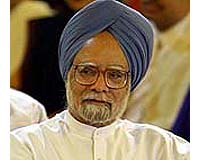
The deal, first announced during Indian Prime Minister Manmohan Singh's visit to the United States last July, was formalized in March when US President George W. Bush visited India, but the details have yet to be hammered out.
The two sides had exchanged a few early drafts, but the talks in New Delhi marked the first time the teams had sat down for formal negotiations.
Discussions this week centred on atomic fuel supply, fuel storage and the sale of technology, the Press Trust of India (PTI) news agency reported, quoting unnamed sources.
The two sides decided to meet "fairly soon" for a second round of talks, the report said.
The US team – consisting of officials from the US State and Energy Departments and the Nuclear Regulatory Commission – were to leave India later Wednesday, Kennedy said.
Indian officials said earlier there were differences with the United States over a provision in the deal that would bar India from conducting atomic weapons tests.
New Delhi had objected to the condition which would give Washington the legal right to halt cooperation if India were to test a nuclear weapon.
India tested nuclear weapons in 1974 and 1998 and has been banned by the United States and other countries from buying fuel for reactors and other related equipment as a result.
The deal faces hurdles in the US Congress, which must give the green light to change the US Atomic Energy Act of 1954, which prevents the United States from trading nuclear technology with nations not party to nuclear treaties.
Several US lawmakers have expressed concern over the deal since India has never signed the nuclear Non-Proliferation Treaty.
Some experts have said the agreement would not only make it harder to enforce rules against nuclear renegades Iran and North Korea, but also set a dangerous precedent for other countries with nuclear ambitions.
