
"There is nothing subtle about the collapse of a bridge or a building. The collapse of an ecosystem, however, that is difficult to comprehend," wrote David S. Dobkin, director of High Desert Ecological Research Institute, in the foreword of the new book, Habitat Threats in the Sagebrush Ecosystem.
In this new book, the status and the future of the sagebrush ecosystem is assessed in hopes of reversing its 200-year decline.
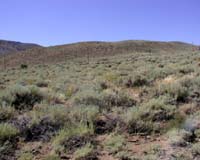
Sagebrush stretches across a vast area of the American West known as the Great Basin. A desert climate, this ecosystem is home to unique species that are suited to an arid environment. But what once were thriving plant and animal populations have now dwindled in number. What or who is to blame?
There isn't one culprit; all of the human land uses combined have created harmful synergistic effects. These human land uses, "insults" as the book's editors call them, include livestock grazing, natural resource extraction, and off-road motorized recreation, to name a few.
For land managers, two main obstacles stand in the way of finding solutions. First, a lack of funding has been a major setback. The book's editors say a six-fold increase in financial resources is needed for effective mitigation.
Compared to other sensitive environmental issues such as the depletion of old-growth forests, our dying sagebrush ecosystem receives significantly less attention and funding. The second obstacle is lack of research information. Land managers need more background information and general research from which to build strategies.
This is where Habitat Threats in the Sagebrush Ecosystem can help. It provides information on the regional level of habitats, their threats and the extent of those threats, and potential effects on species of concern in the Great Basin. Using this book as a stepping stone, land managers and planners can create holistic and integrated solutions.
As a manager of more than 10 million acres of sagebrush habitats, Bob Abbey, the Nevada State Director of the USDI Bureau of Land Management, writes that strategies developed from assessments in this book can help to keep sage-grouse and other species off the list of endangered species.
