
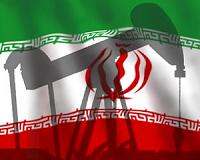
The Iranian nuclear agreement, under which easing sanctions pressure allowed its oil to flow, is not negotiable, an Iranian member of parliament said Friday.
U.S. President Donald Trump has vowed repeatedly to dismantle an Iranian nuclear agreement reached with the five permanent members of the U.N. Security Council, plus Germany. Implemented while President Barack Obama was in office, the agreement eases sanctions enough to let millions of barrels of Iranian oil flow through the global market.
Meeting with Israeli Prime Minister Benjamin Netanyahu in Davos, the U.S. president vowed to contain what he sees as a malevolent power.
"The two leaders reviewed their ongoing cooperation across a range of issues and stressed their goal of countering Iran's malign influence and threatening behavior in the region," a readout from the White House stated.
Trump on Jan. 12 issued a waiver on oil-related sanctions as part of the nuclear agreement, formally the Joint Comprehensive Plan of Action. He hinted it could be the last time, however, if it isn't amended.
Speaking Friday, Valiollah Nanvakenari, a parliamentary member of Iran's National Security and Foreign Policy Commission, said the agreement is not up for review.
"The JCPOA is absolutely not renegotiable," he was quoted by the official Islamic Republic News Agency as saying.
Backers of the nuclear agreement outside the United States voiced their support. British Foreign Secretary Boris Johnson said following talks earlier this month with Iranian and European diplomats the "deal is a crucial agreement that makes the world safer."
The sanctions on Iranian oil exports in the European market would come at a time when traders are watching a shrinking gap between supply and demand. Taking Iranian oil barrels off the market could lead to higher oil prices.
Trump's stance on major oil producers was questioned in the past, notably last year when he considered tightening sanctions on Venezuela. That move would've created U.S. problems because Venezuela is the largest source of crude oil for southern refiners, ahead of Saudi Arabia.
UK sandwich eating produces same CO2 as 'millions of cars'
Britain's annual sandwich consumption produces the same amount of carbon dioxide as more than eight million cars, according to a study published on Thursday.
Around 11.5 billion sandwiches are consumed each year in Britain, half of which are homemade and half bought, according to the British Sandwich Association (BSA).
This annual consumption "generates, on average, 9.5 million tonnes of … read more
