
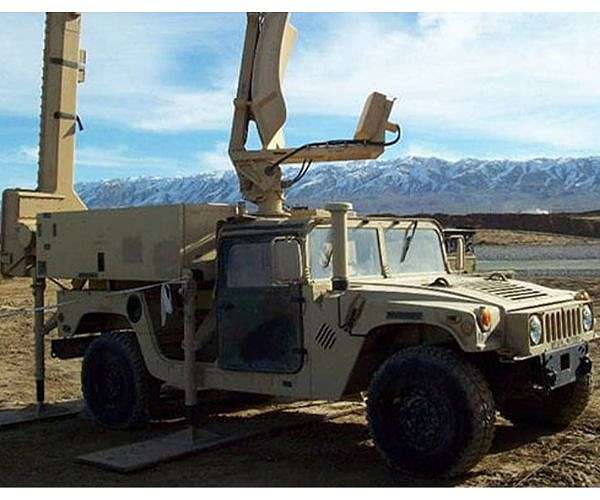
In a significant advancement for air traffic management within the military sector, Collins Aerospace, a business unit of RTX (NYSE: RTX), has recently completed the delivery of cutting-edge vehicle-mounted air traffic control systems to the U.S. Air Force. This move is set to bolster the Air Force's capabilities in managing air traffic under the most challenging conditions, including contested environments.
The systems, known as Air Traffic Navigation, Integration, and Coordination Systems (ATNAVICS), are comprehensive air traffic control solutions designed for rapid deployment and operation in austere settings. Equipped with new Primary Surveillance Radars, ATNAVICS boasts remarkable range capabilities, a critical feature for operations in diverse geographic locales.
Philippe Limondin, Vice President and General Manager of Resilient Navigation Solutions at Collins Aerospace, highlighted the system's efficiency and versatility. "These self-contained air traffic control systems can be set up quickly with a small crew," Limondin explained. "The system is designed to be a full-service air traffic system for those in the field to have surveillance, precision landing, and identification-friend-or-foe capabilities at their fingertips."
ATNAVICS is not only about rapid deployment but also about providing reliable air traffic services in adverse weather conditions and challenging environments. The integration of the latest transmitter technology into the ATNAVICS radars marks a leap in efficiency, ensuring that air traffic management does not falter, even under less-than-ideal circumstances.
This deployment aligns with the U.S. Air Force's Agile Combat Employment (ACE) doctrine, which emphasizes the need for flexible and resilient air traffic management solutions. ACE aims to enhance the U.S. Air Force's operational flexibility, enabling expeditionary air traffic management, embedded mission command, and sustained operations in highly contested environments.
The operational success and versatility of ATNAVICS have already been proven, with the system currently in use across various branches of the U.S. military, including the U.S. Marine Corps, the U.S. Army, and the U.S. Air Force. The recent delivery to the Air Force not only underscores the system's critical role in modern military operations but also opens avenues for expanded global operations through direct commercial sales.
