
Academic researchers are registering disappointment after a satellite imagery analysis suggests the Arctic is unlikely to provide the carbon dioxide offset scientists had hoped would occur.
Scientists, along with NASA and the US Geological Survey, previously concluded global warming and climate change are stimulating the growth of plants throughout the tundra ecosystems, making a vast portion of the Northern hemisphere greener.
Researchers hoped this would mean new forests and vegetation would grow to help suck up carbon emissions and help offset climate change.
But researchers at the University of California-Irvine said in a study published Thursday that the carbon emissions offset is occurring at a far lower rate than anticipated.
"The rates of carbon accumulation in this region are lower than what previous studies have indicated, and will push the science community to look elsewhere for the main drivers of the terrestrial carbon sink," study co-author James Randerson said in a press release.
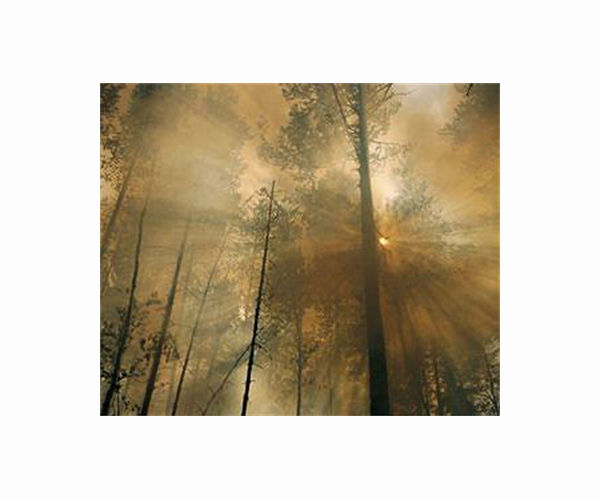
The UC-Irvine study suggests the Arctic does not show as much promise as once thought in offsetting carbon emissions and due to uncontrolled wildfires.
"What we found overall is across this whole domain over the past 31 years the carbon stocks have increased modestly," lead study author Jonathan Wang said.
"What we estimate is that 430 million metric tons of biomass has accumulated over the last 31 years — but across this domain it would've been nearly double if it weren't for these fires and harvests that are keeping it down," Wang said.
The team said wildfires in the area are two to three times more common than they were four decades ago.
The researchers used satellite data going back to 1984 to make their forecast.
Scientists have been using photos from NASA's Landsat spacecraft to track greenery trends for some time.
Last December it was announced the Arctic experienced the second warmest year since 1900.
NOAA publishes an annual "report card" detailing ice sheet melt, as well as the reduction of the snow cover. In nine of the last ten report cards, the air temperature has increased by at least 2.2 degrees Fahrenheit above the 1981-2010 average.
