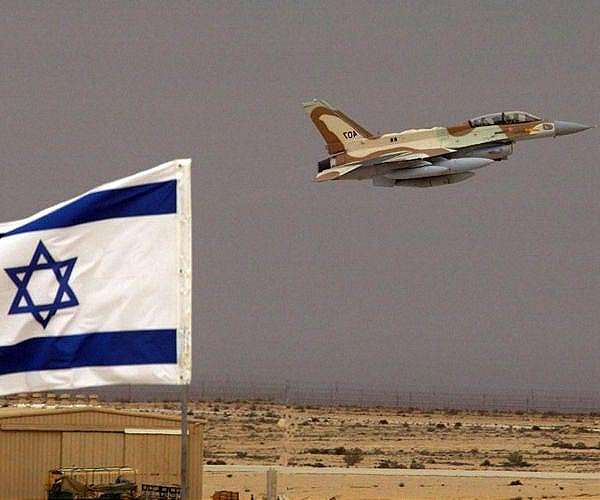
Human Rights Watch said on Monday an Israeli air strike that killed three journalists in Lebanon last month was an "apparent war crime" and used a bomb equipped with a US-made guidance kit.
The October 25 strike hit a tourism complex in the Druze-majority south Lebanon town of Hasbaya where more than a dozen journalists working for Lebanese and Arab media outlets were sleeping.
The Israeli army has said it targeted Hezbollah militants and that the strike was "under review".
HRW said the strike, relatively far from the Israel-Hezbollah war's main flashpoints, "was most likely a deliberate attack on civilians and an apparent war crime".
"Information Human Rights Watch reviewed indicates that the Israeli military knew or should have known that journalists were staying in the area and in the targeted building," the watchdog said in a statement.
HRW "found no evidence of fighting, military forces, or military activity in the immediate area at the time of the attack", it added.
The strike killed cameraman Ghassan Najjar and broadcast engineer Mohammad Reda from pro-Iran, Beirut-based broadcaster Al-Mayadeen and video journalist Wissam Qassem from Hezbollah's Al-Manar television.
The watchdog said it verified images of Najjar's casket wrapped in a Hezbollah flag and buried in a cemetery alongside fighters from the militant group.
But a spokesperson for the militant group said he "had no involvement whatsoever in any military activities".
HRW said the bomb dropped by Israeli forces was equipped with a United States-produced Joint Direct Attack Munition (JDAM) guidance kit.
The JDAM is "affixed to air-dropped bombs and allows them to be guided to a target by using satellite coordinates", the statement said.
It said remnants from the site were consistent with a JDAM kit "assembled and sold by the US company Boeing".
One remnant "bore a numerical code identifying it as having been manufactured by Woodard, a US company that makes components for guidance systems on munitions", it added.
The watchdog said it contacted Boeing and Woodard but received no response.
In October last year, Reuters journalist Issam Abdallah was killed by Israeli shellfire while he was covering southern Lebanon, and six other journalists were wounded, including AFP's Dylan Collins and Christina Assi, who had to have her right leg amputated.
In November last year, Israeli bombardment killed Al-Mayadeen correspondent Farah Omar and cameraman Rabih Maamari, the channel said.
Lebanese rights groups have said five more journalists and photographers working for local media have been killed in Israeli strikes on the country's south and Beirut's southern suburbs.
UNIFIL 'seriously concerned' by deadly strikes on Lebanon army
Beirut, Lebanon (AFP) Nov 25, 2024 –
UN peacekeepers in south Lebanon expressed worry Monday over deadly strikes on Lebanese soldiers, which Beirut blames on Israel, despite the army staying out of the war between Hezbollah and Israel.
"UNIFIL is seriously concerned by numerous strikes on the Lebanese Armed Forces (LAF) inside the Lebanese territories," the peacekeepers said in a statement, using the acronym for the United Nations Interim Force in Lebanon.
The army has reported 19 members killed while on active duty.
The army's "role remains vital for the full implementation of Resolution 1701 (2006), which is essential to ending the ongoing violence between Hizbullah and Israel", UNIFIL said.
Resolution 1701 ended the last Hezbollah-Israel war of 2006 and stated that Lebanese troops and UN peacekeepers should be the only armed forces in the country's south, where Hezbollah holds sway.
It also called for Israel to withdraw troops from Lebanon and forms the basis for ongoing ceasefire talks.
UNIFIL, currently with more than 9,300 troops, has been stationed in southern Lebanon since 1978 and is tasked with monitoring the "Blue Line" of demarcation with Israel.
"We remain deeply alarmed by the escalation of hostilities and the widespread destruction and loss of life across the Blue Line," the peacekeepers said, urging parties "to address their differences through negotiations — not through violence".
On Sunday, the Israeli military expressed "regret" for an incident in which a Lebanese army position was hit, saying "its operations are directed solely against the Hezbollah" group.
The Lebanese army reported one soldier killed in the incident and 18 others wounded.