What's up in
Nukewars
Nuclear strategy, proliferation risks, deterrence policy, missile programs, arms control, and the geopolitical tensions shaping the nuclear age.
Nukewars
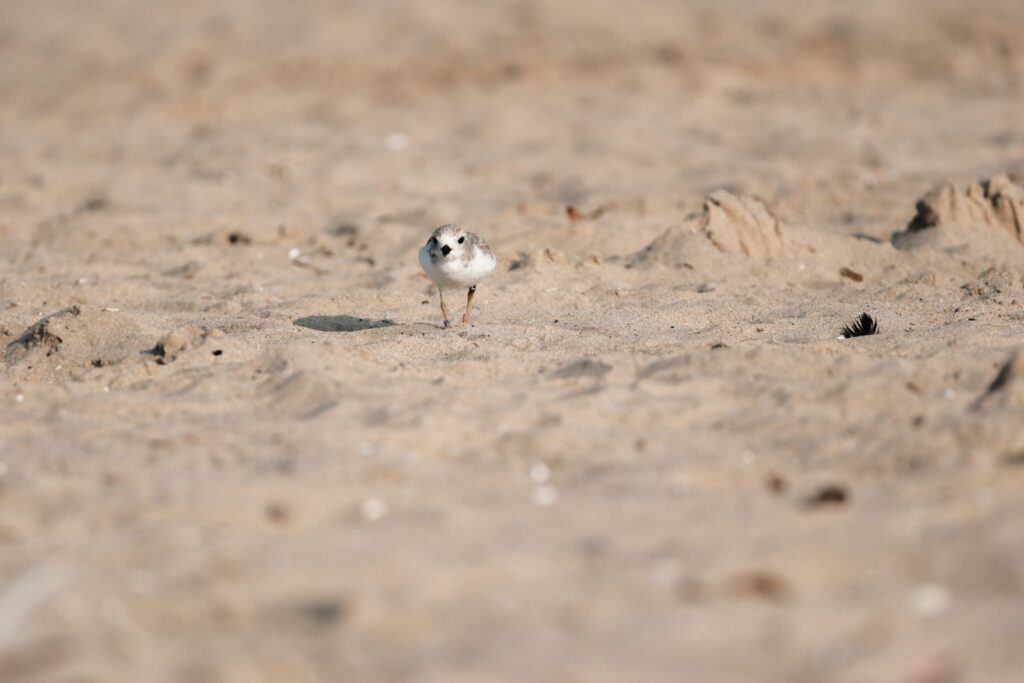
Why did closing a Cold War-era Air Force base on the shore of a Great Lakes peninsula in the 1990s trigger the return of nesting piping plovers to beaches that had not seen a chick fledge in decades?
The 1993 closure of Wurtsmith Air Force Base on Lake Huron preserved miles of undeveloped shoreline at the exact moment federal biologists were scaling up recovery for a Great Lakes piping plover population that had crashed to 12 breeding pairs. Today it stands at 88.
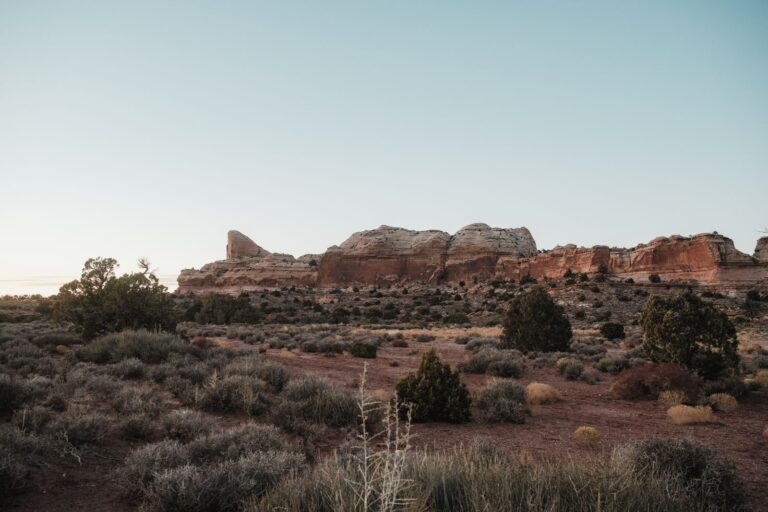
How did a 586-square-mile stretch of southeastern Washington sealed off in 1943 to make plutonium end up sheltering one of the last large blocks of shrub-steppe left in the Columbia Basin?

Nobody talks about why the most competent person in the family often ends up the loneliest, and it isn't jealousy or distance, it's that competence quietly disqualifies you from being checked on
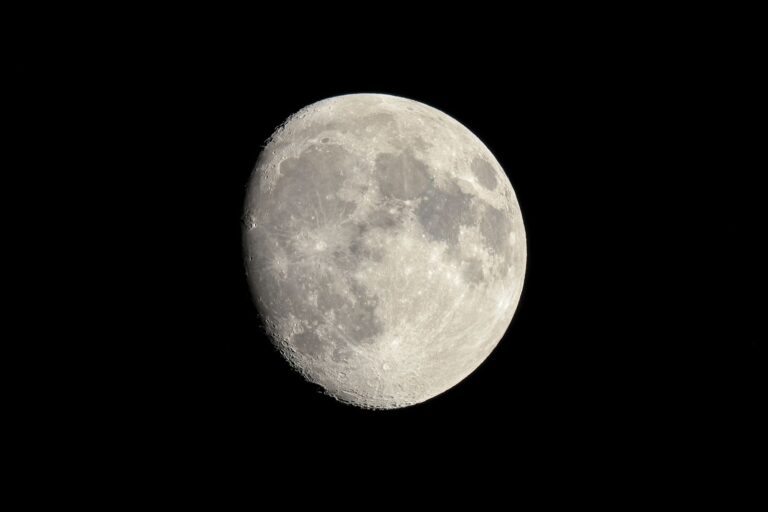
In 1971, Apollo 14 astronaut Alan Shepard pulled a Wilson six-iron head he had smuggled aboard, clipped it to a lunar sample scoop handle, and hit two golf balls one-handed in a pressurised suit that would not let him bend at the waist
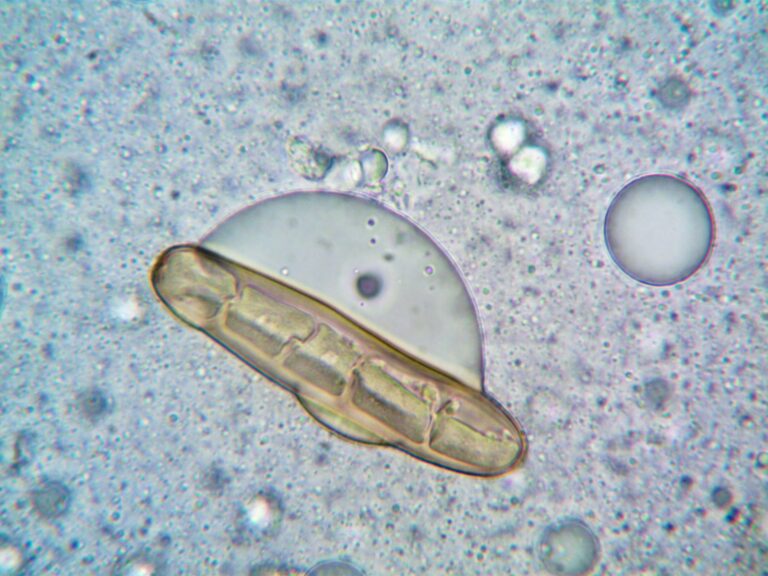
Tardigrades pulled from Antarctic moss can survive a decade without water, temperatures near absolute zero, and a 10-day exposure to the open vacuum of space in 2007, curling into a dehydrated husk they call a tun until conditions improve
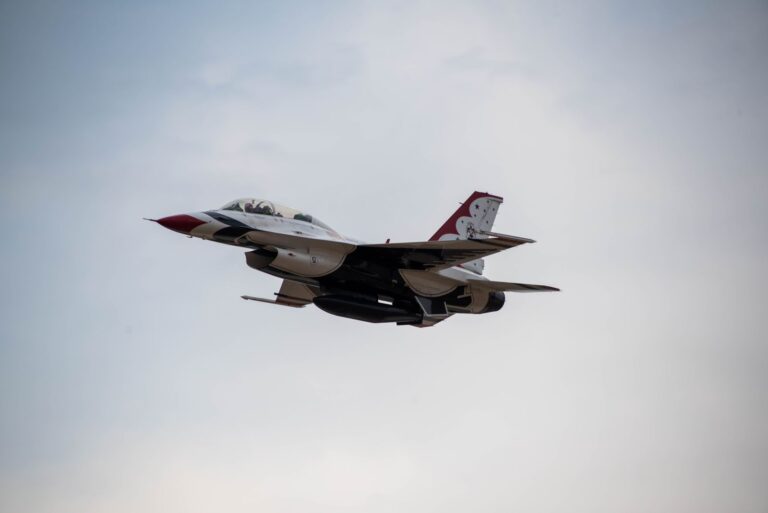
The SR-71 Blackbird cruised at Mach 3.2 above 25,000 metres, and its titanium skin ran so hot in flight that the fuselage grew about 10 centimetres longer, which is why the fuel tanks were designed to leak on the ground and only seal once the plane heated up in the air
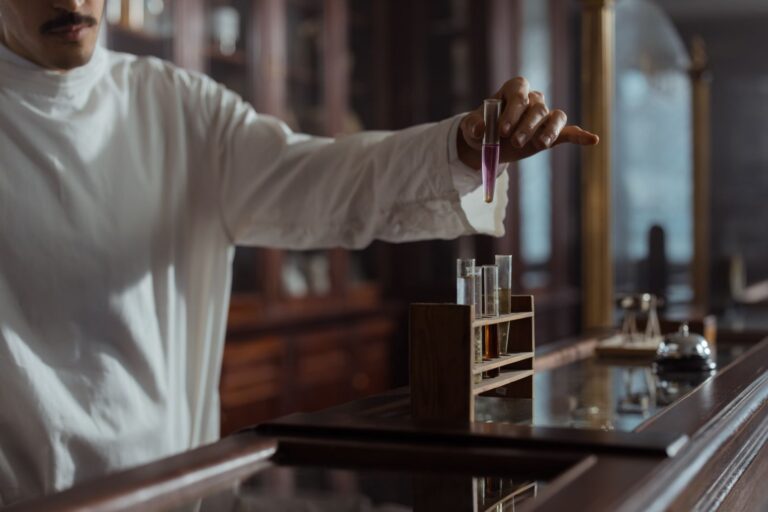
Friedrich Miescher spent the winter of 1869 rinsing pus off surgical bandages collected from a Tübingen clinic to isolate what he called nuclein, a phosphorus-rich substance from white blood cell nuclei that the world would take another 75 years to recognise as DNA
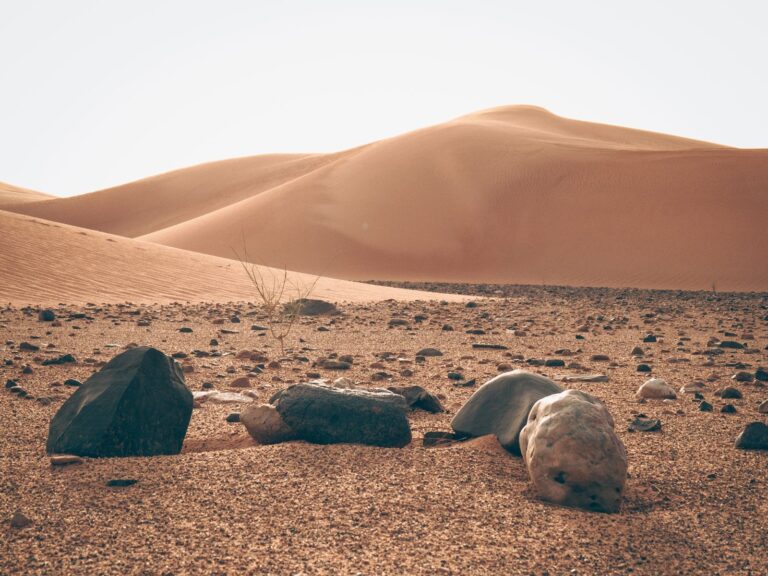
Why does roughly 27 million tonnes of desert dust cross an ocean each year to fertilise a rainforest on the other side of the planet?
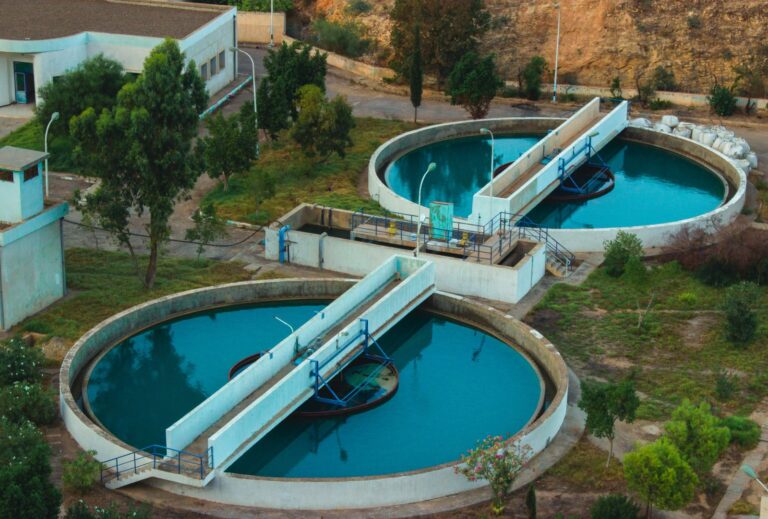
How did a Southeast Asian city-state with no large natural rivers or usable groundwater engineer enough recycled water to meet roughly 40 percent of its total demand?
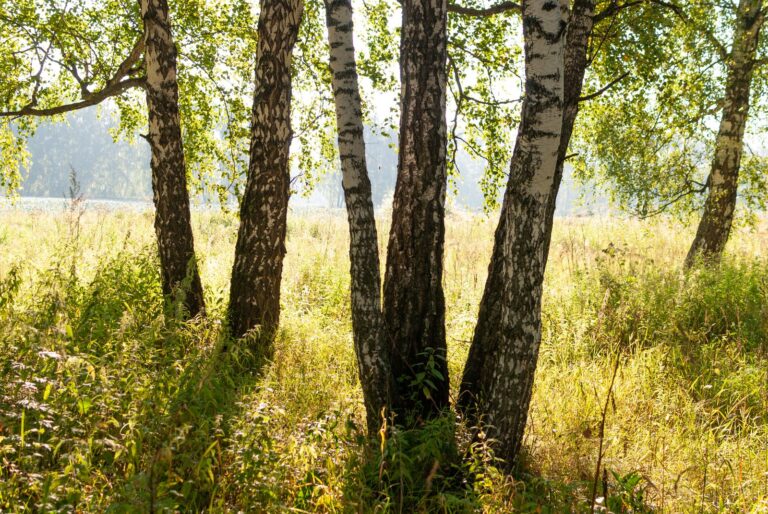
How did a windswept North Atlantic island once almost entirely stripped of its birch forests by Viking settlers push tree cover from less than 1 percent back toward 2 percent, tree by stubborn tree?
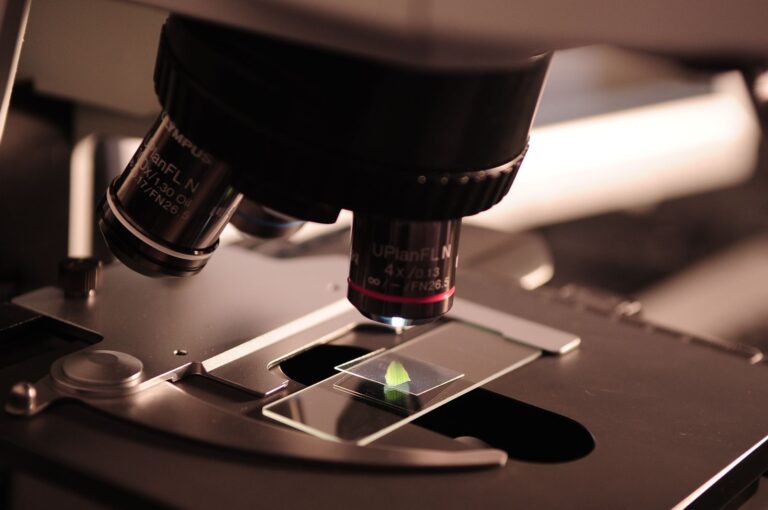
In 1665, Robert Hooke pressed a sliver of cork under one of the first compound microscopes in London and saw thousands of tiny empty chambers that reminded him of monks' rooms, which is why every living thing on Earth is now measured in units he called cells