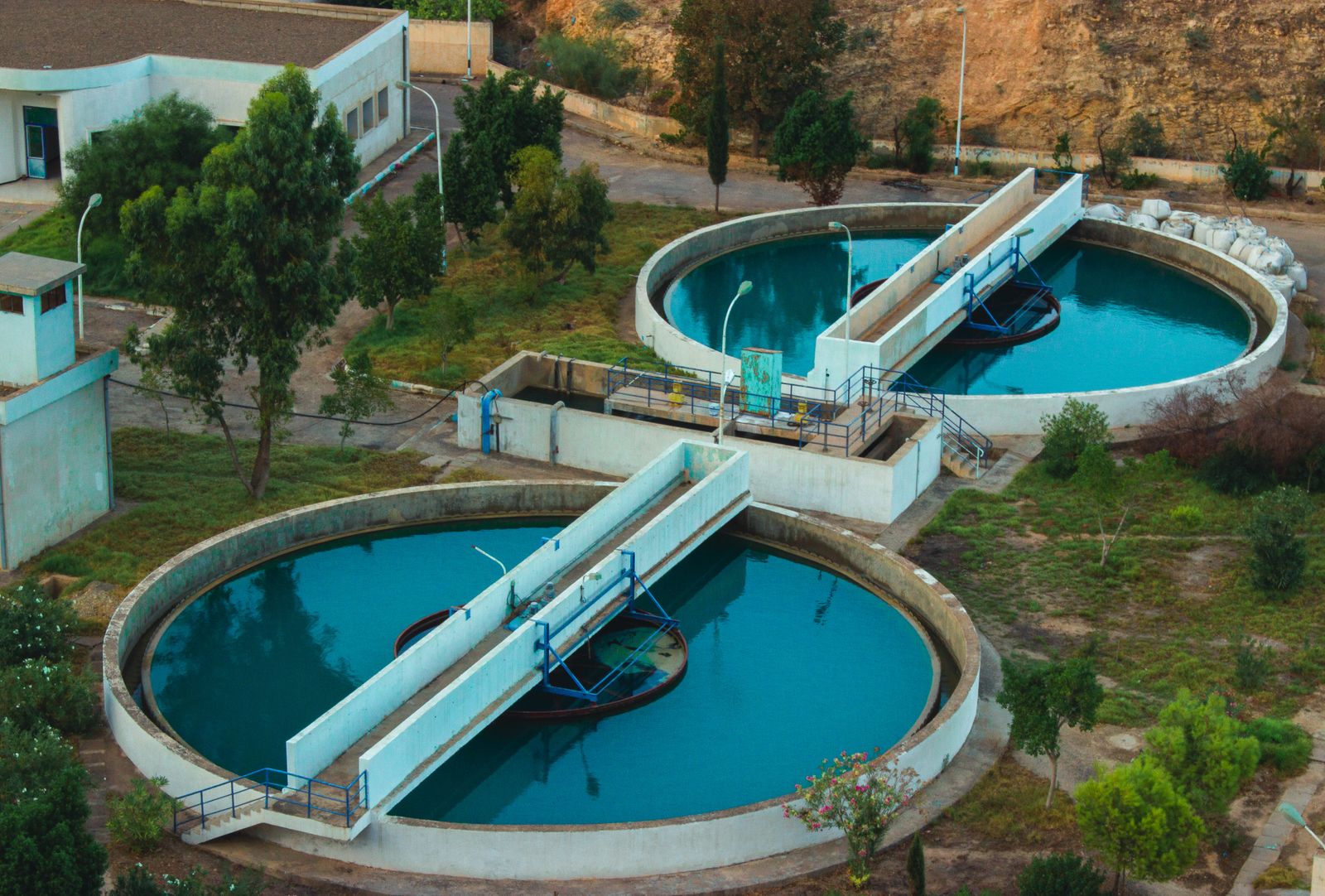
Singapore’s answer was NEWater, a national reclaimed-water system built around advanced membrane treatment and ultraviolet disinfection. By the late 2010s, its plants had enough capacity to meet up to roughly 40 percent of national water demand, not 40 percent of household drinking water. Most of the output goes to industry and cooling systems, while a smaller share enters reservoirs during dry periods and is treated again before reaching taps through the process described by Singapore’s national water agency, PUB.
The constraint was not literally an absence of rivers. Singapore has rivers, canals and drains, but the government describes the country as lacking large natural rivers, springs and groundwater while having limited land for storage. Rain falling on two-thirds of the island is channelled to 17 reservoirs, and imported raw water from Johor remains one of the country’s Four National Taps under an agreement that runs until 2061, according to the Ministry of Sustainability and the Environment.
The sewerage system that made reuse possible
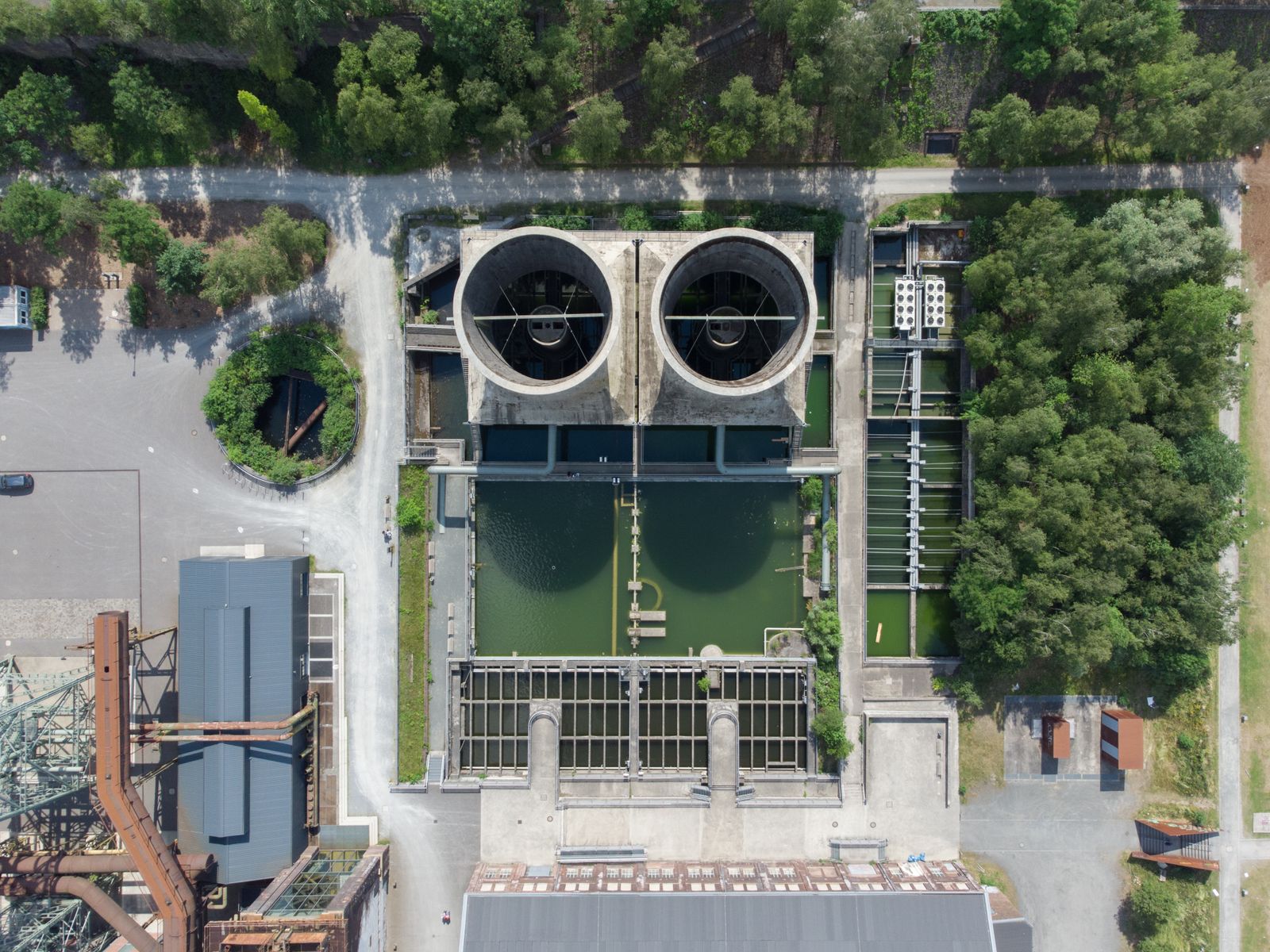
The physical backbone is the Deep Tunnel Sewerage System, or DTSS. It is a 206-kilometre network of deep tunnels that carries used water by gravity towards centralised reclamation plants at Changi, Kranji and Tuas. PUB describes the approximately S$10 billion system as infrastructure designed to operate for 100 years.
The first phase, completed in 2008, includes a 48-kilometre deep sewer running from Kranji to Changi and another 60 kilometres of link sewers. At the eastern end, Changi Water Reclamation Plant was initially designed to treat 800,000 cubic metres of used water each day. These figures and the system’s phased expansion are set out in PUB’s official DTSS overview.
The treatment sequence matters because the sewer tunnels do not turn raw sewage directly into NEWater. Used water first undergoes conventional or membrane-based reclamation treatment that removes solids and breaks down organic material. Only after that stage is suitable treated effluent sent through the additional purification barriers that produce NEWater.
Membrane bioreactors can combine biological treatment, settlement and microfiltration or ultrafiltration in a smaller physical footprint. Where they are installed, they can simplify the later NEWater process. Not all treated water becomes NEWater, however, and the DTSS design still allows excess treated effluent to be discharged safely to the sea.
Three barriers between the sewer and the supply
The first NEWater barrier is microfiltration or ultrafiltration. Treated used water passes through membranes that remove suspended particles and bacteria. In facilities using membrane bioreactors, that filtration step can be incorporated into the earlier biological-treatment stage.
Reverse osmosis comes next. Pressure pushes the water through a semi-permeable membrane that permits water molecules to pass while rejecting dissolved salts, heavy metals, many organic compounds and other contaminants. The process is also used in seawater desalination, although seawater normally requires greater pressure because it contains far more dissolved salt.
The third stage is ultraviolet disinfection. By this point, reverse osmosis has already produced high-grade water, but ultraviolet treatment provides another barrier by inactivating residual microorganisms. Chemicals are then added where necessary to balance the water’s chemistry before storage or distribution.
Singapore did not introduce the system on the strength of a single laboratory result. PUB says the water underwent extensive scientific testing and review by an international expert panel before being approved for indirect potable use. That route places purified water into a reservoir, where it mixes with captured rainwater and passes through a conventional drinking-water plant before entering the public network.
Why the 40 percent is mostly industrial
The 40 percent figure describes how much national demand the system has been capable of meeting, rather than the proportion flowing directly from household taps each day. Most NEWater is sent through a dedicated network to industrial estates, commercial cooling systems and manufacturing facilities. Domestic potable use remains indirect and comparatively limited.
Wafer fabrication plants are among its largest customers because semiconductor production requires extremely consistent, high-purity water. A PUB background document says Singapore’s wafer fabs became the first in the world to substitute recycled water for potable water in 2003. That conserved drinking-quality supplies while giving chipmakers water suited to sensitive industrial processes.
The importance of that arrangement has grown as chip plants and data centres have expanded. A manufacturing line cannot tolerate large variations in mineral content or contamination, and a cooling system cannot operate without reliable volumes of water. Similar pressures are appearing around the world as digital infrastructure increases both power and water demand.
During dry periods, part of the NEWater supply is used differently. It is released into raw-water reservoirs, allowed to mix with captured rainfall and then processed by conventional waterworks. The water reaching a kitchen tap has therefore passed through both the advanced NEWater barriers and the country’s ordinary drinking-water treatment system.
Four taps and one unresolved energy bill
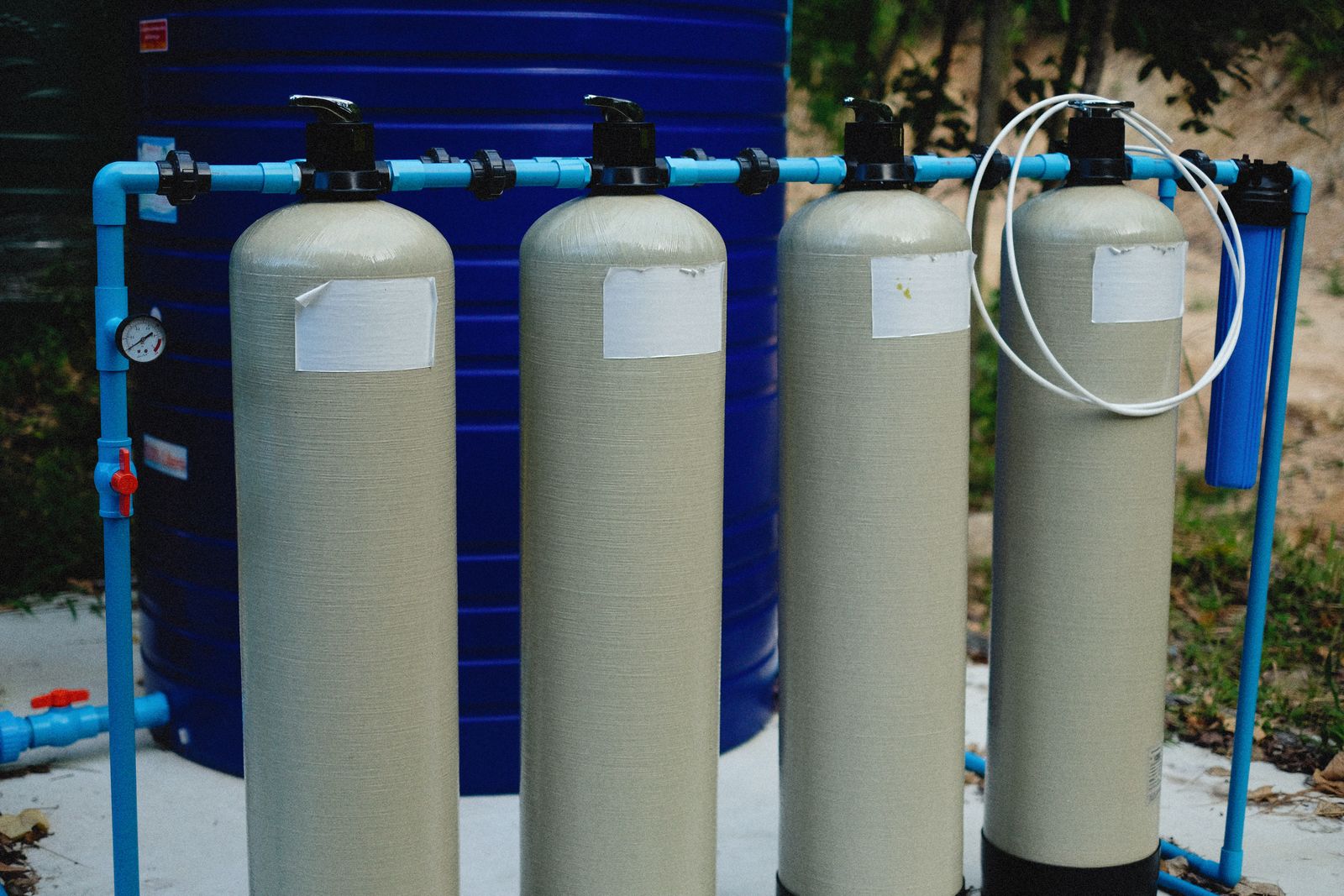
NEWater is one part of a diversified strategy rather than a stand-alone replacement for every other source. The Four National Taps are local catchment water, imported water from Johor, NEWater and desalinated seawater. Rainfall and imports remain important even as the two weather-resilient sources expand.
The arrangement gives planners options when rainfall is low or industrial demand rises. It does not mean imported water has become merely symbolic, nor does it mean Singapore has completed a transition to total self-sufficiency. The 1962 agreement continues to permit the country to draw up to 250 million gallons of raw water per day from the Johor River until 2061.
The technological independence comes with an energy cost. Reverse osmosis, pumping and advanced wastewater treatment consume more electricity than treating easily accessible surface water. PUB projects that rising demand and heavier reliance on NEWater and desalination could more than double its carbon footprint to about one million tonnes of carbon dioxide equivalent unless treatment becomes more efficient, according to its decarbonisation strategy.
Singapore is trying to narrow that energy penalty with more efficient membranes, improved recovery rates and solar installations on reservoirs and plant roofs. Floating panels can generate electricity without consuming additional land, although they cannot erase the full load created by desalination and advanced reuse. Researchers elsewhere are also examining whether desalination infrastructure can play a larger role in integrated water and energy systems.
The water system became industrial infrastructure
Singapore currently uses about 440 million gallons of water each day, enough to fill roughly 800 Olympic-sized swimming pools. PUB expects total demand to approach twice that level by 2065, with businesses and other non-domestic users accounting for approximately 60 percent. Those projections appear in the agency’s current overview of Singapore’s water loop.
That shifts the centre of the water problem away from household taps and towards factories, cooling systems and commercial buildings. Semiconductor plants need ultrapure process water, while data centres need dependable cooling in a hot and humid climate. Water security therefore supports industrial expansion in much the same way as power capacity, transport links and access to specialised labour.
Supply expansion is only one side of the response. Since January 2024, qualifying new front-end wafer fabrication projects have been required to achieve a minimum 50 percent recycling rate, while specified electronics and pharmaceutical facilities must recycle designated wastewater streams. PUB’s mandatory water-efficiency rules apply to projects expected to consume at least 60,000 cubic metres annually.
The reclamation system is still being enlarged. PUB is developing another NEWater factory at Changi and plans a 75-million-gallon-per-day facility integrated with the future Tuas Water Reclamation Plant. The agency says these projects are intended to meet rising industrial demand while new membrane and flow-reversal technologies improve the amount of usable water recovered from each treatment cycle, as detailed in its NEWater expansion plans.
The politics beneath the pipes
Water remains connected to the relationship between Singapore and Malaysia. The 1961 agreement expired in 2011, while the 1962 agreement remains in force and is guaranteed through the documents governing Singapore’s separation from Malaysia. The history, obligations and past disagreements over pricing are documented by Singapore’s Ministry of Foreign Affairs.
The engineering achievement is therefore resilience rather than the disappearance of dependence. A drop entering a Singapore sewer can travel through a gravity tunnel, a reclamation plant, membranes and ultraviolet treatment before being sent to a factory or blended into a reservoir. More than two decades after NEWater’s public launch, that deliberately constructed loop has become part water supply, part industrial utility and part strategic insurance for an island that cannot drill its way out of scarcity.