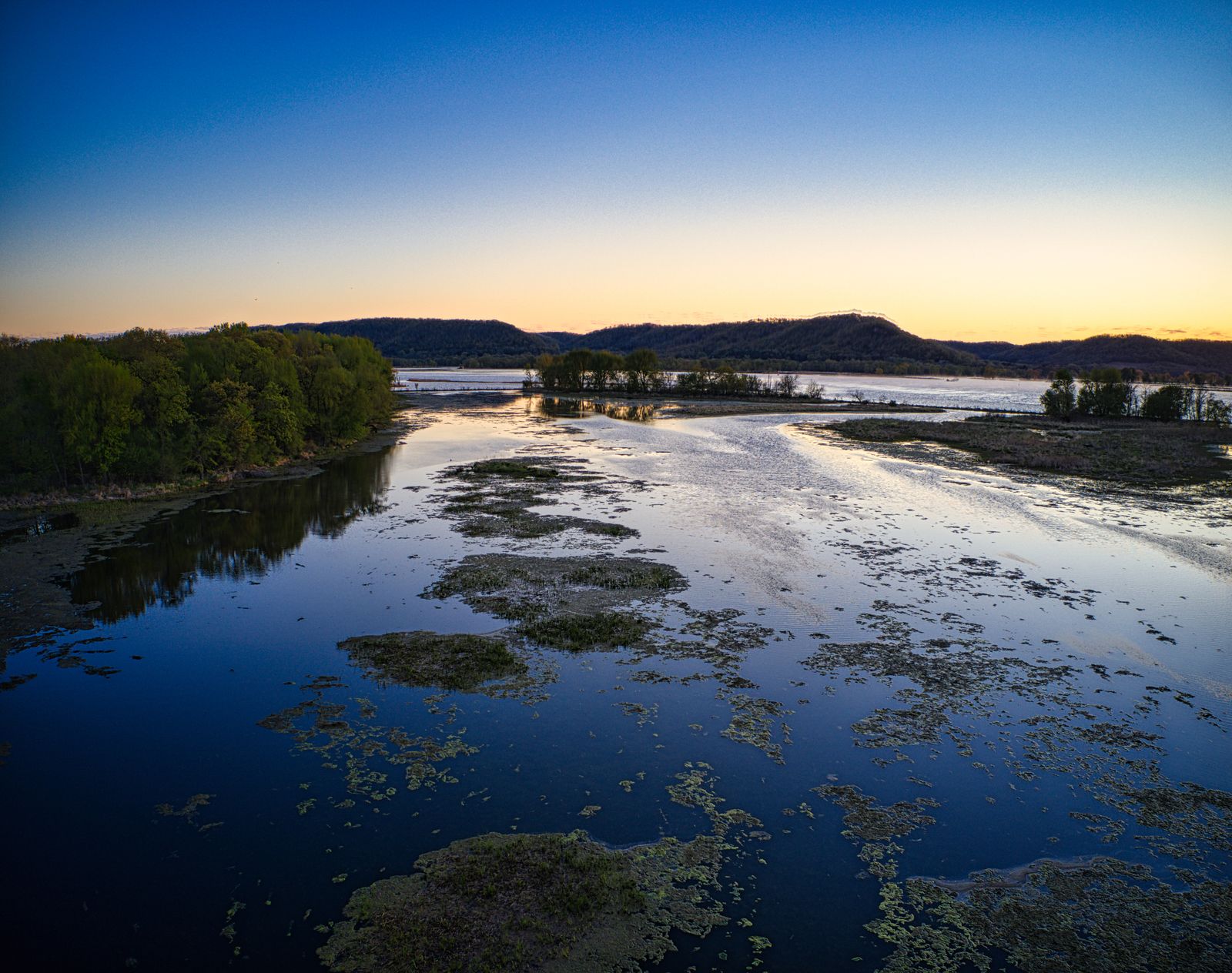
The Cuyahoga River, the crooked industrial channel that snakes through Cleveland into Lake Erie, now supports more than fifty species of fish along stretches where biologists in the 1960s counted almost nothing. On October 2, 2024, state and federal wildlife crews released sixty juvenile lake sturgeon into three reaches of the river, each fish carrying a surgically implanted transmitter — a prehistoric species that had not spawned there since the late 1800s, put back into the water on the bet that it was finally clean enough to raise them. That release, documented by NPR, is the clearest measure of how far a river once written off as biologically dead has come.
Sixty fish was the pilot. It was designed to answer a narrow question — where do they go, and do they live — before the real stocking began. Summit Metro Parks describes the plan that followed: roughly 2,000 fingerlings released at three sites in October 2025, annual stocking on that scale for two decades or more, and a target of about 1,500 mature, spawning adults in the Cuyahoga by approximately 2049.
The turning point was June 22, 1969. An oil slick and a raft of debris caught fire beneath two wooden railroad trestles at the foot of Campbell Road hill, southeast of downtown Cleveland. The Encyclopedia of Cleveland History records the damage: $45,000 to the Norfolk & Western bridge, which had to close to rail traffic, and $5,000 to the Newburgh & South Shore trestle, which stayed open. Firefighters had it out inside half an hour. There are no known photographs of it.
It was not the first Cuyahoga fire. Chemical & Engineering News, marking the fiftieth anniversary in 2019, counted at least thirteen fires on the river since 1868, the largest of them in 1952, fed by a two-inch slick of oil traced to a Standard Oil facility and costing up to $1.5 million. The 1969 blaze was among the smallest. It was the one the nation noticed.
A river that had stopped being a river
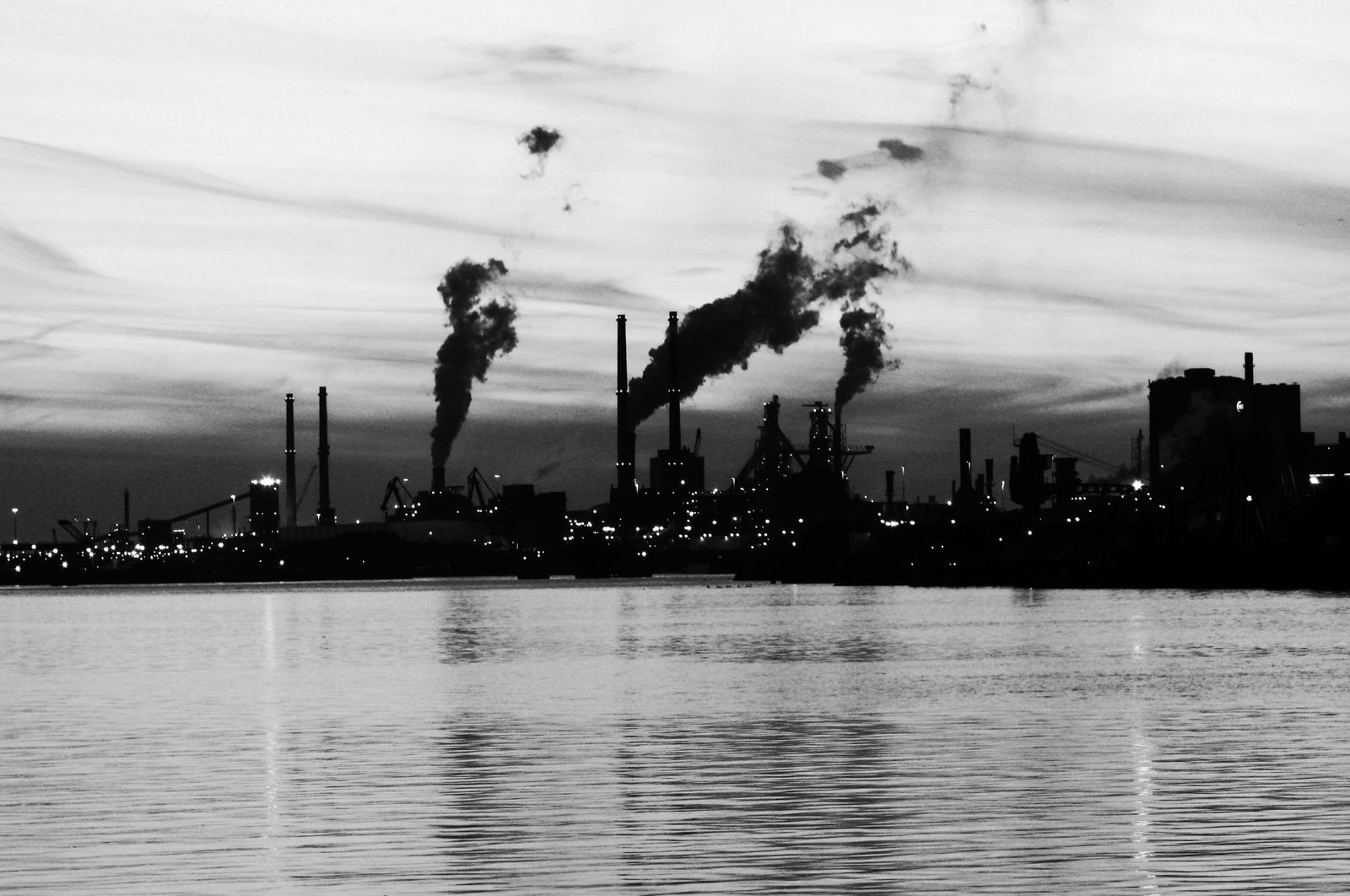
By the late 1960s, the lower Cuyahoga was less a waterway than a slow-moving industrial drain. Steel mills operated by Republic Steel and US Steel, a Standard Oil refinery, a Sherwin-Williams paint factory and a shipbuilding site all sat along the banks, discharging hundreds of millions of liters of wastewater a day into the channel, along with sewage from their own workforces.
What that did to the biology is documented in the state’s own files. Ohio EPA’s 1991 basin-wide biological and water quality study describes acutely toxic responses in the biological indices downstream of the Akron treatment plant, blood-enzyme biomarkers in white suckers showing exposure to polynuclear aromatic compounds, and a pattern of recovery so slow that low-level acute impacts were still detectable in 1988 — nearly two decades after the fire. Dissolved oxygen in the shipping channel was the binding constraint. There was, for long stretches of the year, effectively none.
The 1969 fire itself was almost a non-event locally. Cleveland’s Plain Dealer gave it six paragraphs on an inside page. What made it historic was a magazine. Time‘s August 1, 1969 issue ran a story on the American ecological crisis and illustrated it with a dramatic photograph of firefighters on a bridge playing water onto a tugboat surrounded by flame — a picture of the 1952 fire, not the 1969 one, because the 1969 one had no photographer. It was the Chappaquiddick issue. Millions of people read it.
Public outcry over the Cuyahoga and places like it fed directly into policy. Nixon created the Environmental Protection Agency in 1970. Congress passed the modern Clean Air Act the same year, and the Clean Water Act in 1972, over Nixon’s veto. Those two statutes became the bedrock of American pollution control, and the river that supplied the image got fifty years of federal leverage out of a twenty-minute fire.
What the cleanup actually did
The recovery was not a single project. It was a stack of them, layered over five decades, and most of them are invisible from the water.
The largest line item is sewage. The Northeast Ohio Regional Sewer District has invested some $5 billion in wastewater infrastructure since 1972, according to the district’s own accounting given to C&EN — including a 1992 expansion of the treatment plant that discharges into the Cuyahoga, and a tunnel program sized to hold a mix of sewage and stormwater underground until the plants can process it rather than letting it overflow into the channel during heavy rain.
The second line item is industry, and it worked in two stages. After the Clean Water Act, industrial dischargers were pushed onto permits and eventually tied their outfalls into the public sewer system, so their waste was treated before release. From the early 1980s, companies began pretreating effluent to strip pollutants before it entered the public system at all. The worst offenders installed treatment or closed.
The third is sediment. Bottom material in the shipping channel carries a legacy load of PCBs and heavy metals, some of it dredged and placed in confined disposal facilities, much of it still sitting in pockets the dredge has never reached.
The fourth is dams. The Kent dam was bypassed and the Munroe Falls dam removed in the early 2000s. Ohio EPA’s 2007 survey of the middle Cuyahoga found the Kent reach in full attainment of warm-water habitat biocriteria four years after the remediation, with 28 species collected there and northern pike, smallmouth bass and rock bass large enough to support a real fishery. The Brecksville diversion dam came out later; the Gorge dam in Akron is still standing.
Re-oxygenation followed from all of this rather than being engineered directly. When the organic load dropped, bacteria stopped consuming the oxygen. When the dams came down, riffles returned and the water mixed with air again. The lower river now regularly meets the state’s warm-water habitat standard for dissolved oxygen, a threshold it could not approach in 1969.
The fish came back mostly on their own
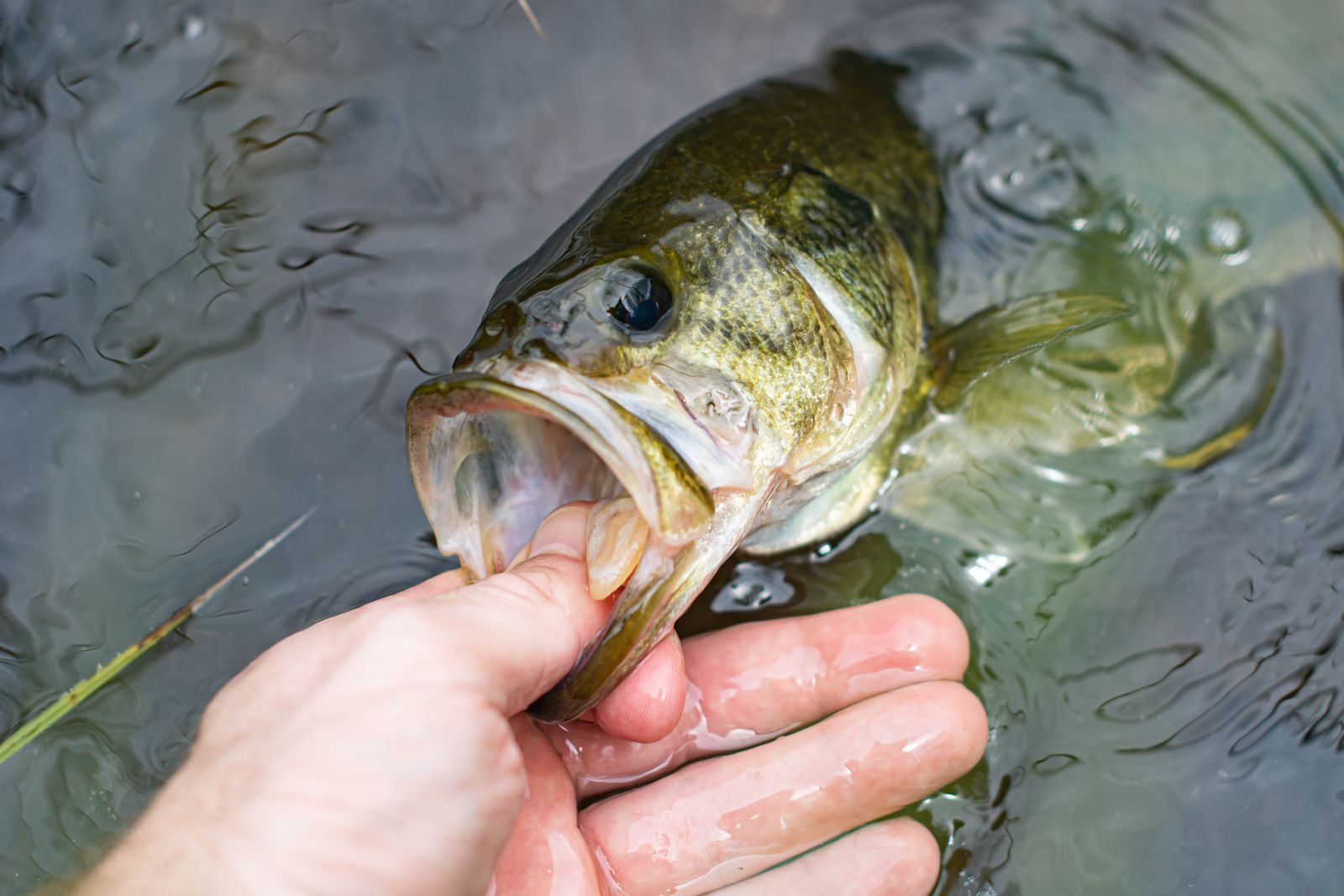
Ohio EPA has surveyed fish in the Cuyahoga basin since a 1984 basin-wide study. The early counts in the lower river were in the range of ten species, most of them pollution-tolerant. By the mid-1990s the count was approaching thirty. Today the assemblage runs past fifty, and steelhead, northern pike, smallmouth bass and freshwater drum all use the channel.
What that recovery depended on is now a research question with an answer. A 2026 study in Restoration Ecology, “Beyond barriers: fish assemblage recovery following dam removal on the Cuyahoga River,” sampled the river’s three distinct reaches after the Brecksville removal and found that biological recovery tracks connectivity and access to source populations — that taking barriers out matters as much as cleaning the water, because clean water with nothing able to swim into it stays empty.
The insects tell the same story from underneath. Mayflies, stoneflies and caddisflies are the standard biological indicators of clean water: they are oxygen-sensitive, they cannot flee pollution, and they live about a year, so their presence is a running audit. The National Park Service describes the park stretch of the river as holding spawning fish and rare insect species where nothing survived before. Great blue herons and bald eagles now nest along the banks; kayakers and paddleboarders share the channel with lake freighters.
The sturgeon sit on top of all of it. Lake sturgeon are living fossils, armored bottom-feeders that can pass a century and, in Ohio waters, grow to eight feet and more than 300 pounds. They need clean gravel to spawn on and oxygen-rich water to survive in. The fish released in 2024 were reared by the U.S. Fish and Wildlife Service and the Toledo Zoo, from broodstock drawn from the surviving St. Clair River population — some in the traditional hatchery at Genoa, Wisconsin, some in a streamside facility pumped with river water on the theory that early exposure to local chemistry improves imprinting. Nobody expects spawning for two decades. That is the point of releasing them.
The fire that came back
The river is not finished. On August 25, 2020, the Cuyahoga burned again — fifty-one years and two months after 1969. Outside covered the incident: a road accident involving a fuel tanker near Cuyahoga Falls, well upstream of Cleveland, sent burning fuel into a storm drain and out into the river. A tanker spill had caused a brief fire on the river the previous August too.
The difference between 2020 and 1969 is the whole story compressed into one comparison. In 1969 the river itself was flammable, loaded from dozens of sources until any spark would do. In 2020 the river was not flammable; something burning was poured into it from outside. Storm drains remain the weak seam — they carry sewage, road runoff and fertilizer into the channel during heavy rain — and the refineries, chemical plants and aging pipelines along the lower river have been regulated, not removed.
The federal ledger says the same thing more coldly. The lower Cuyahoga has been an Area of Concern under the Great Lakes Water Quality Agreement since 1987, and it is still on the list. Of the original ten beneficial use impairments, six have been formally removed — aesthetics and public access in 2017, restrictions on fish consumption in 2019, eutrophication in 2021, fish tumors, and beach closings in 2024. Four remain, including restrictions on navigational dredging, which are still in force because the sediment is still contaminated. Delisting is a target for the late 2020s, not an accomplishment.
Fifty-five years, measured out
The timeline is long but not geological, and it is worth laying end to end. The fire was 1969. The Clean Water Act came in 1972. Ohio EPA’s baseline survey was 1984. Measurable diversity was returning by the mid-1990s. Kent’s dam was bypassed in the early 2000s and the fish response was visible by 2007. The first impairments came off the federal list in 2017. Sturgeon went back in the water in 2024.
Fifty-five years, roughly two human generations, from ignition to a channel that can host a species which outlives its own restorers — and the bill is still open. The sewer district’s $5 billion buys tunnels that will be finished long after the people who designed them have retired, and the sediment that keeps the dredging restriction in place has no scheduled end date at all.
What the sturgeon are being asked to prove
The fish tagged in October 2024 will spend the next two decades moving between the lower Cuyahoga, Cleveland harbor and the near-shore waters of Lake Erie. Acoustic receivers register each pass. If they survive to spawning age sometime in the mid-2040s, and if they come back to the Cuyahoga to lay eggs on the gravel they were released over, the river will have closed a loop that opened before the First World War.
None of the biologists who carried the buckets will be running the receivers by then. Neither will the sewer district engineers who bored the tunnels, nor the Ohio EPA staff who ran the electrofishing surveys through the 1990s. The fish that ignites the celebration, if it comes, will be older than most of the people who let it go.
Which is the strange arithmetic of river restoration. The damage was fast: a century of dumping, then a single afternoon of fire that did $50,000 in bridge repairs and changed federal law. The recovery is slow, measured in mayfly hatches and heron nests and the patience of a species that does not reproduce until its rescuers are gone. In the national park, upstream, the water runs clear over stones and a great blue heron stands in the shallows waiting for something to move.