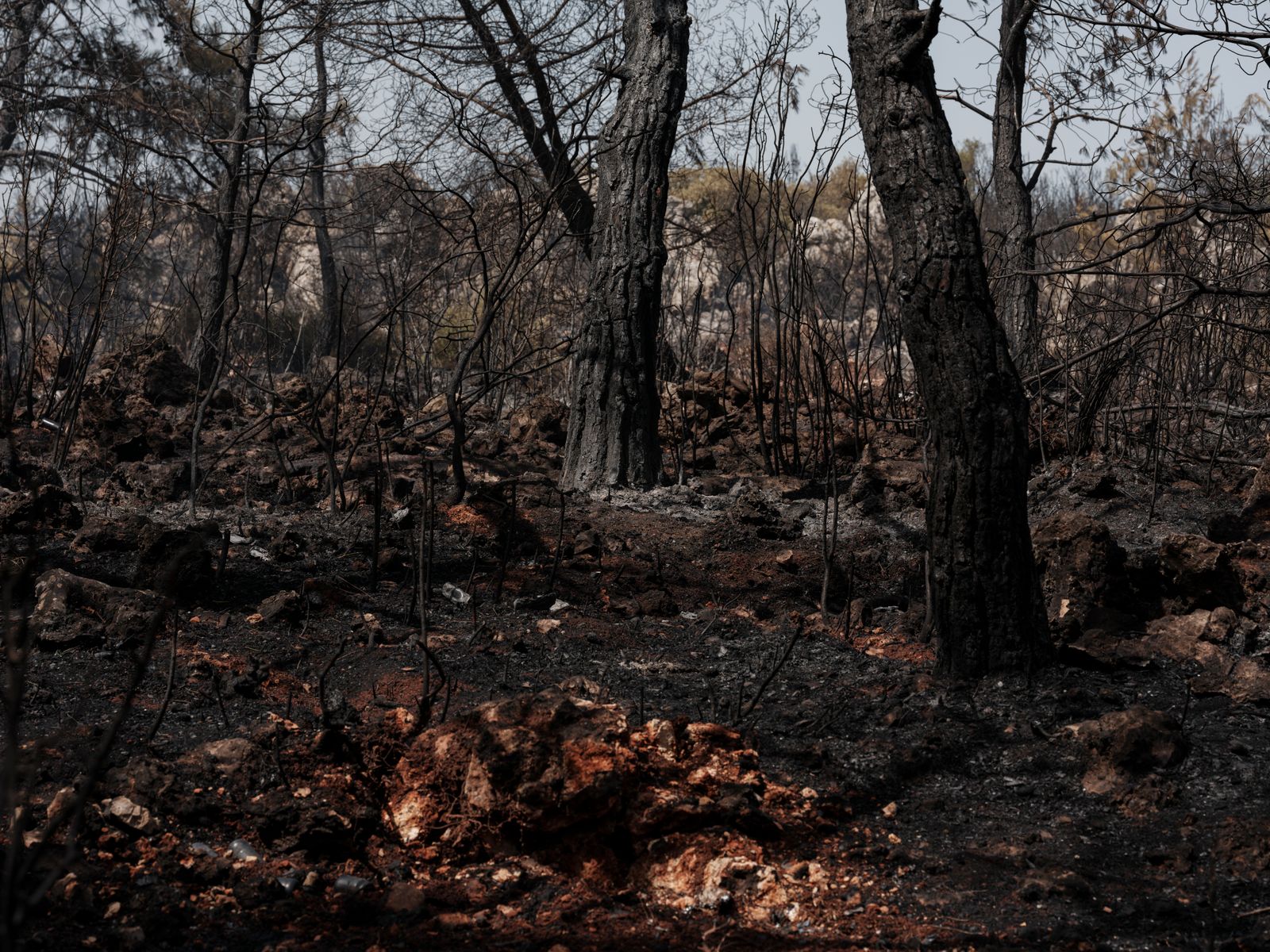
The summer of 1988 opened serotinous lodgepole pine cones across a Yellowstone landscape that many observers expected to recover much more slowly. Fires started by both lightning and people affected 793,880 acres, or 36 percent of Yellowstone National Park. The National Park Service records 42 lightning-caused fires and nine human-caused fires during that season.
What surprised ecologists afterward was not that fire had killed trees. It was how quickly life returned, and how strongly the pattern of recovery depended on traits the forest had carried before the flames arrived.
The cones that wait
Lodgepole pine (Pinus contorta var. latifolia) produces both ordinary and serotinous cones. The serotinous type stays sealed by resin until exposed to substantial heat. According to the National Park Service, the resin requires a temperature of at least 113°F, or 45°C, to melt and release the seeds.
That makes fire part of the species’ reproductive strategy. A severe fire can remove litter and competing vegetation while opening the canopy to sunlight. When serotinous cones open afterward, seeds can fall onto newly exposed ground at precisely the moment conditions favor a new generation of lodgepole pine.
Researchers Monica Turner and William Romme began fieldwork in Yellowstone in the summer of 1989. Their observations showed that recovery was both rapid and remarkably uneven. Turner later recalled that the team had not expected ground vegetation to return as quickly as it did.
Lodgepole regeneration varied dramatically from place to place. Some burned areas had very few seedlings, while others were crowded with them. Turner and her colleagues linked much of that patchiness to the uneven distribution of serotinous trees before the fire.
What the fire actually did
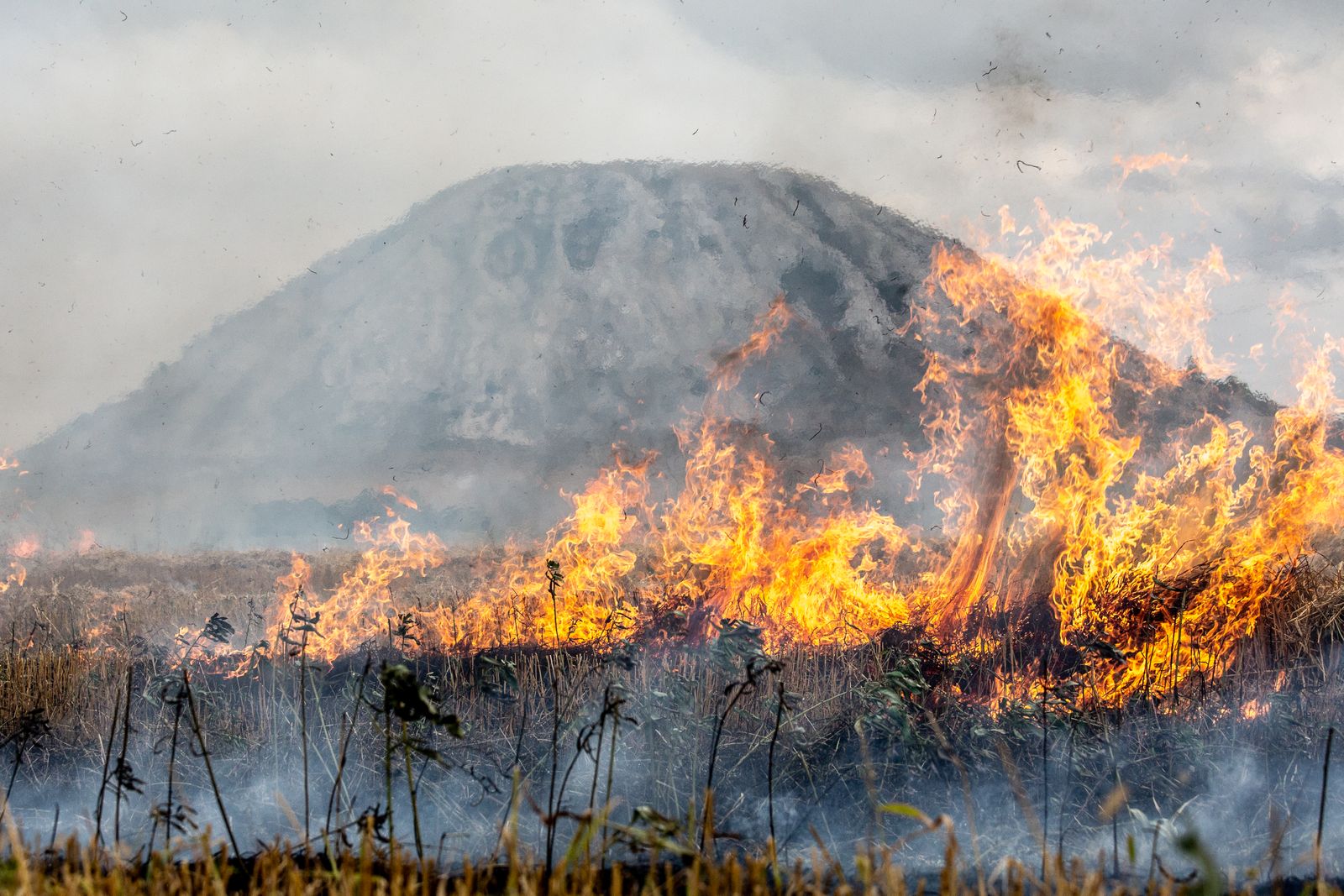
The 1988 season did not begin as an obvious catastrophe. Yellowstone had experienced a wet spring until June. Then the rain largely stopped, July failed to bring the moisture managers expected, and fuels continued to dry.
By mid-July, the park had suspended its policy of allowing new naturally caused fires to burn. Suppression expanded, but exceptionally dry fuels and extreme weather overwhelmed those efforts. On August 20, remembered as Black Saturday, the total area affected by the fires doubled to more than 480,000 acres.
Rain and snow arrived on September 11. The National Park Service says a quarter-inch of snow stopped the advance of the fires. By then, more than $120 million had been spent fighting fires across the Greater Yellowstone Ecosystem.
The scale of the season fed a national argument over fire management. But it also gave ecologists an extraordinary chance to observe what happens when a huge, naturally fire-adapted landscape is reset almost at once.
The seedlings nobody expected so soon
When Turner and Romme entered the burned landscape in 1989, much of it still looked blackened and barren. Yet living roots, rhizomes and seeds had survived just below the surface, and green shoots were already appearing.
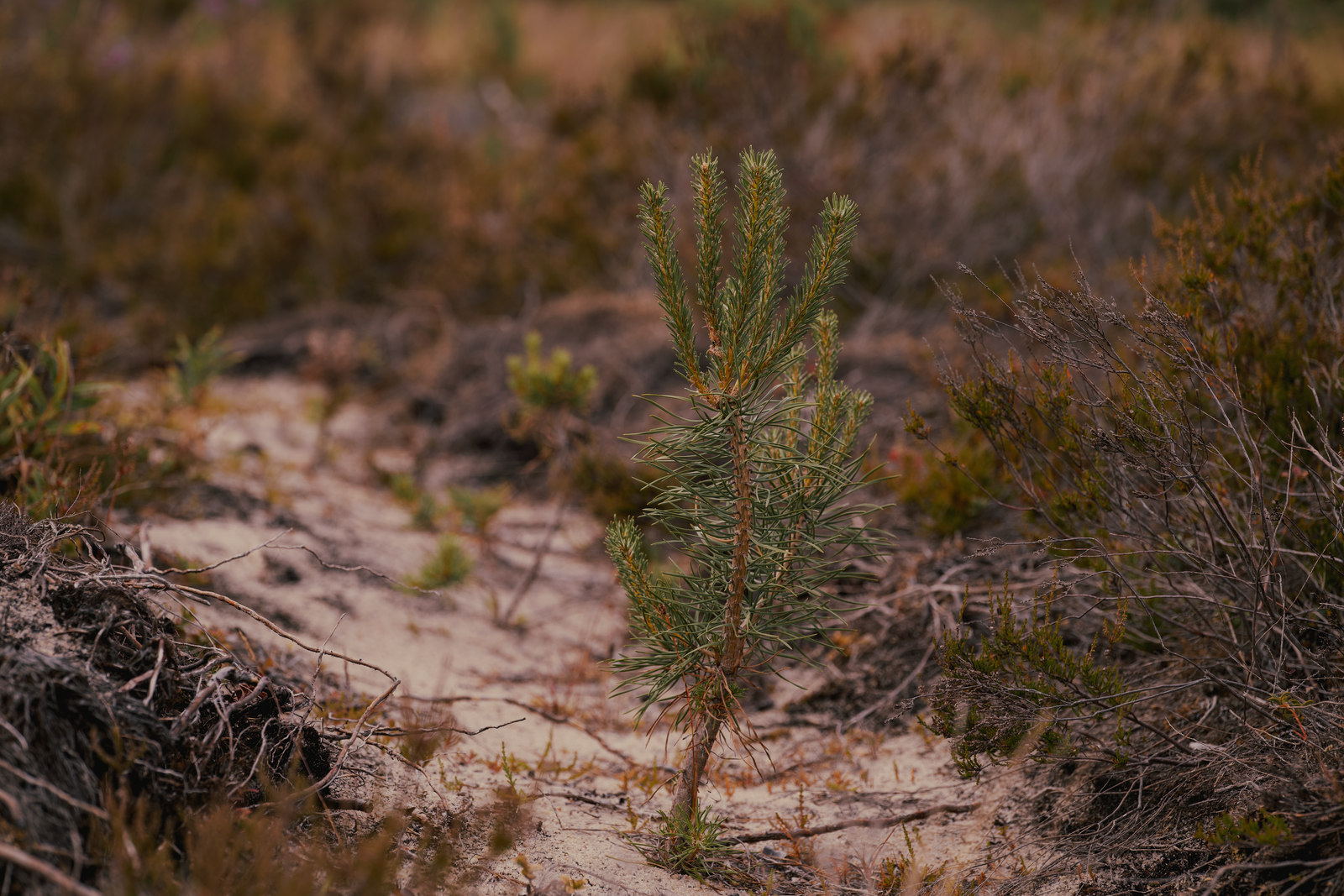
The lodgepole pines showed especially striking variation. Where serotinous cones had been abundant in the pre-fire canopy, seedlings could return densely. Where the trait had been uncommon, regeneration could be sparse even in areas that had looked similar before the fire.
The fires produced other surprises too. Researchers documented aspen seedlings in addition to the familiar suckers that emerge from surviving underground root systems, challenging the prevailing assumption at the time that Rocky Mountain aspen reproduced almost entirely from existing roots.
Wildlife also continued using the burned landscape. Yellowstone’s large fires did not cause lasting declines across most wildlife populations, and elk, bison and deer populations soon rebounded.
Fire as part of the shape of Yellowstone
Lodgepole pine dominates much of Yellowstone’s forest, and fire has long helped determine the age and structure of those stands. Serotiny does not make individual trees fireproof. It allows the population to exploit the conditions that can follow a severe burn.
Yellowstone’s ecological history reaches much farther back than 1988. In 2018, a Montana State University research team collected an 8.08-meter sediment core from Goose Lake in the Lower Geyser Basin. A USGS account by Christopher Schiller and Cathy Whitlock describes how pollen and charcoal were used to reconstruct vegetation and fire history while geochemistry and microscopic organisms helped trace hydrothermal change.
The record showed a lodgepole forest in the basin between about 10,300 and 3,800 years ago, with increasing fire through part of that interval. Around 3,800 years ago, the local landscape shifted toward the open hydrothermal grassland seen there today.
The lesson is not that Yellowstone’s forests simply survive fire unchanged. Fire repeatedly reorganizes the landscape, and different places recover in different ways depending on vegetation, soils, climate and the biological material left behind.
What 1988 taught ecologists
The scientific importance of the fires grew with the recovering forest. Turner and her collaborators used the enormous burn mosaic as a natural experiment, following questions that ranged from tree regeneration and soil processes to wildlife and landscape pattern.
The work helped show why a single number such as acres burned can hide enormous ecological variation. Two stands can burn in the same season and follow very different trajectories afterward because their pre-fire structure, cone traits, surviving organisms and local conditions were different.
That insight has become increasingly important as ecologists ask a new question: not whether Yellowstone can recover from a large fire, but what happens when fires return before the recovering forest has had time to mature.
The recovery ecologists watch now
Nearly four decades after 1988, many of the stands created by that fire season are established young forests. But a warming climate raises the prospect of shorter intervals between major fires, changing the conditions under which those forests develop.
A Forest Service publication by Erica Smithwick, Anthony Westerling, Monica Turner, William Romme and Michael Ryan modeled climate and fire in the Greater Yellowstone Ecosystem. It found that fire-return intervals shorter than roughly 90 years could push modeled lodgepole stands from net carbon sinks to net carbon sources, even with the species’ capacity for rapid regeneration from serotinous cones.
That does not mean every young stand will fail after another fire. It does mean that the timing of future fires matters. A younger forest has had less time to accumulate biomass and reproductive material than an old stand that has gone many decades without burning.
A record-warm winter
Climate conditions are adding another layer to that question. Wyoming’s completed December 2025 through February 2026 meteorological winter was exceptionally warm. A March 2026 review of National Weather Service records by WyoFile found that almost every climate station examined across the state recorded its warmest winter on record, including Lake Yellowstone.
The picture was not simply one of absent snow everywhere. High-elevation snowpack in several northwestern Wyoming river basins remained near average even while lower elevations experienced extraordinary warmth and poor snowfall. That distinction matters in a mountainous system where elevation strongly shapes moisture and temperature.
Snow still matters deeply to Yellowstone. The timing and amount of precipitation influence soil moisture, streamflow, groundwater and the length of the season in which vegetation and fuels can dry.
What the geysers add to the story
Yellowstone’s forest, water and hydrothermal systems are connected in ways that become visible over long time scales. The Goose Lake sediment record, for example, preserves evidence of both ecological and hydrothermal change in the same basin.
Old Faithful offers an even more direct example of why water availability matters. Scientists examining mineralized lodgepole pine wood on the geyser mound concluded that Old Faithful was dormant for an extended period during parts of the 13th and 14th centuries. The Yellowstone Volcano Observatory links that hiatus to a severe, sustained drought and diminished groundwater supply.
Geysers require underground heat, but they also require water. Changes in precipitation can therefore affect an apparently unrelated part of Yellowstone’s landscape, just as moisture conditions influence forests and fire.
A pattern of destruction that builds
The enduring lesson from 1988 is not that fire is harmless. The fires killed trees, transformed habitat, threatened communities and demanded an enormous firefighting response.
But the lodgepole forest also demonstrated that destruction and renewal are not always ecological opposites. For a species with serotinous cones, the same heat that kills a mature tree can release the seeds that begin the next stand.
That is why the patchiness Turner saw after 1988 mattered so much. The next forest was shaped not only by the severity of the flames, but by what the previous forest had already stored in its canopy and beneath the soil.
The heat that opens the seed
Serotiny is an adaptation with unusually visible consequences. A lodgepole cone can remain sealed while the tree grows around it, holding seeds until sufficient heat melts the resin between its scales.
Across parts of Yellowstone in 1988, that heat arrived on a vast scale. The following growing seasons revealed the result: green vegetation emerging through blackened ground and lodgepole seedlings appearing in patterns that reflected the forest that had stood there before.
The question facing Yellowstone now is not whether lodgepole pine knows how to recover from fire. The 1988 landscape answered that. The harder question is whether future climate and fire intervals will continue to give new forests enough time to prepare for the next one.