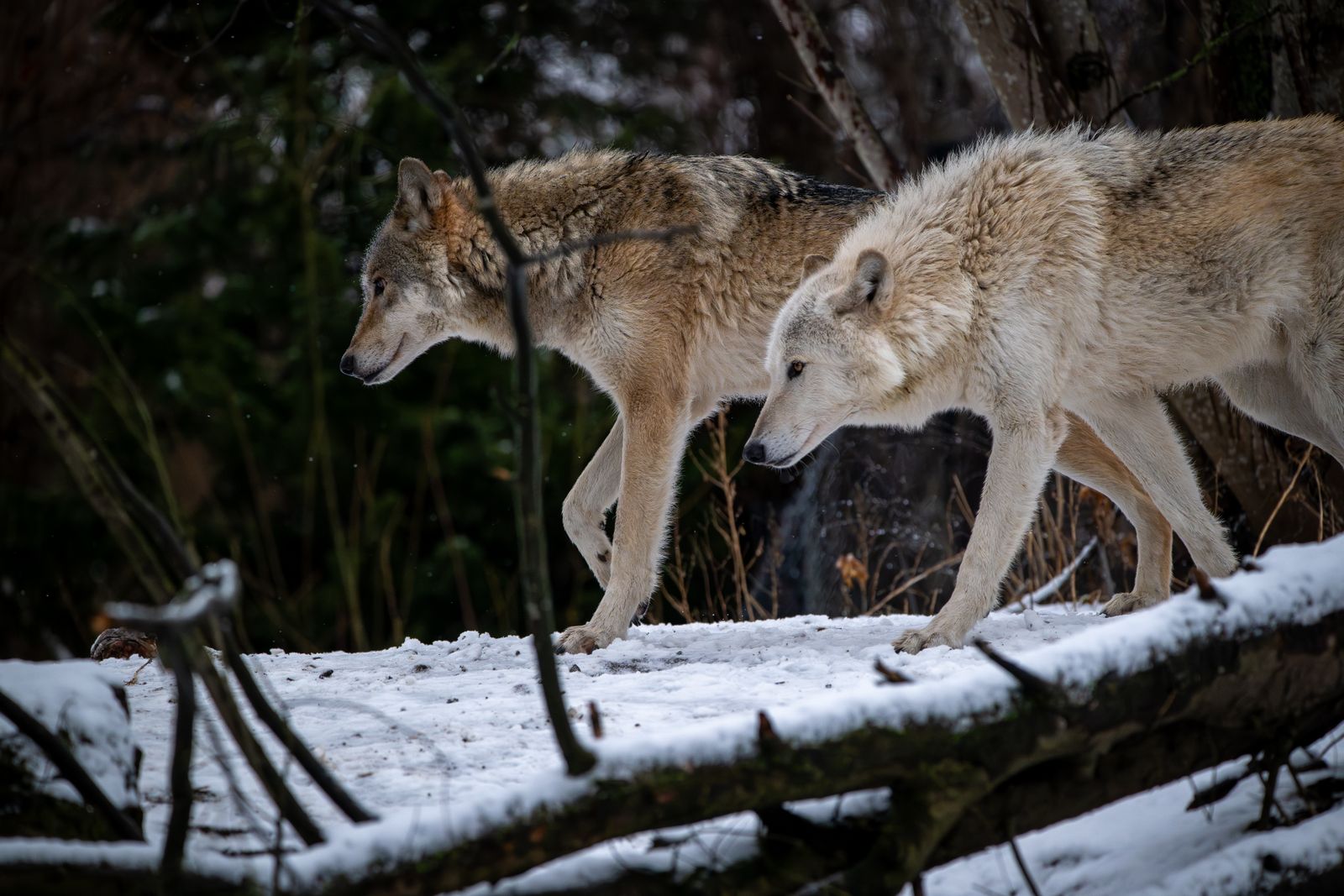
In September 2011, a two-year-old male gray wolf left the Imnaha pack in northeastern Oregon and began moving southwest. The animal had been fitted with a radio collar by the Oregon Department of Fish and Wildlife that February. Because he was the seventh wolf collared in Oregon, biologists called him OR-7.
On December 28, his collar placed him northeast of Dorris in Siskiyou County. According to the California Department of Fish and Wildlife’s account of his journey, OR-7 was male, born in 2009, and had dispersed from his birth pack in search of new territory or another wolf.
His arrival closed an extraordinary historical gap. California’s final known wolves had been killed in San Bernardino County in 1922 and Lassen County in 1924. No wolf was confirmed in the state again until OR-7 crossed the Oregon border in 2011, according to CDFW’s 2025 gray wolf report.
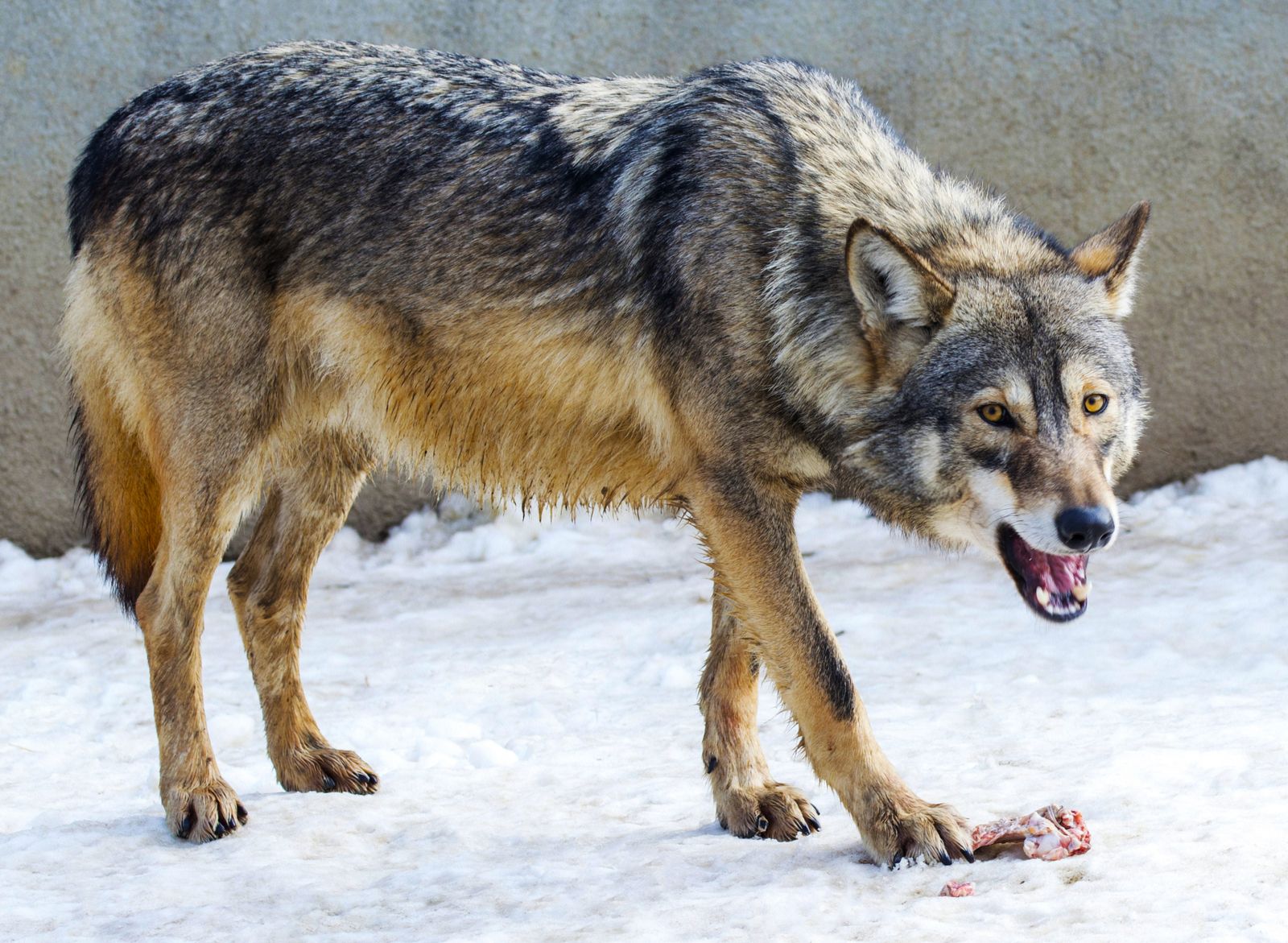
A journey recorded one signal at a time
OR-7’s collar turned an otherwise hidden dispersal into a public record. Before crossing into California, he moved through several Oregon counties, crossed major highways and spent time near the crest of the southern Cascades. Once in California, he traveled through Butte, Lassen, Modoc, Plumas, Shasta, Siskiyou and Tehama counties.
CDFW estimated that he averaged about 15 air miles a day while moving through California. His actual distance would have been greater because animals do not travel in straight lines. He crossed forests, lava fields, shrubland, agricultural areas and private timberland without any reported public-safety incidents or confirmed agricultural losses during his time in the state.
OR-7 eventually returned to southwestern Oregon. By 2013, he had found a mate and established a territory in Klamath and Jackson counties. The pair produced three known pups in 2014, creating what became known as the Rogue pack, and evidence showed that they produced another litter in 2015.
The breeding continued. In 2018, wildlife officials announced that OR-7 had sired a fifth consecutive litter. Trail-camera footage from the Rogue-Siskiyou National Forest showed three gray pups playing in the forest.
OR-7 was no longer detected with the Rogue pack by late 2019. Although he was widely presumed dead because of his age and disappearance, his body was never recovered. CDFW’s current record therefore describes his fate as unknown.
How his family line reached California
OR-7’s most important contribution was not the distance he traveled. It was the dispersal of his offspring and, later, their descendants.
One male born into the Rogue pack in 2014 became the original breeding male of California’s Lassen pack. Now identified as CA008, he sired the pack’s litters from 2017 through 2019 before disappearing from monitoring records. CA019, a female born during that period, has been the Lassen pack’s sole breeding female since 2021.
Another direct offspring of OR-7, the female now identified as CA039, became the breeding female of the Whaleback pack in eastern Siskiyou County. The July 2026 CDFW wolf summary records Whaleback litters every year from 2021 through 2026, including at least nine pups in 2026.
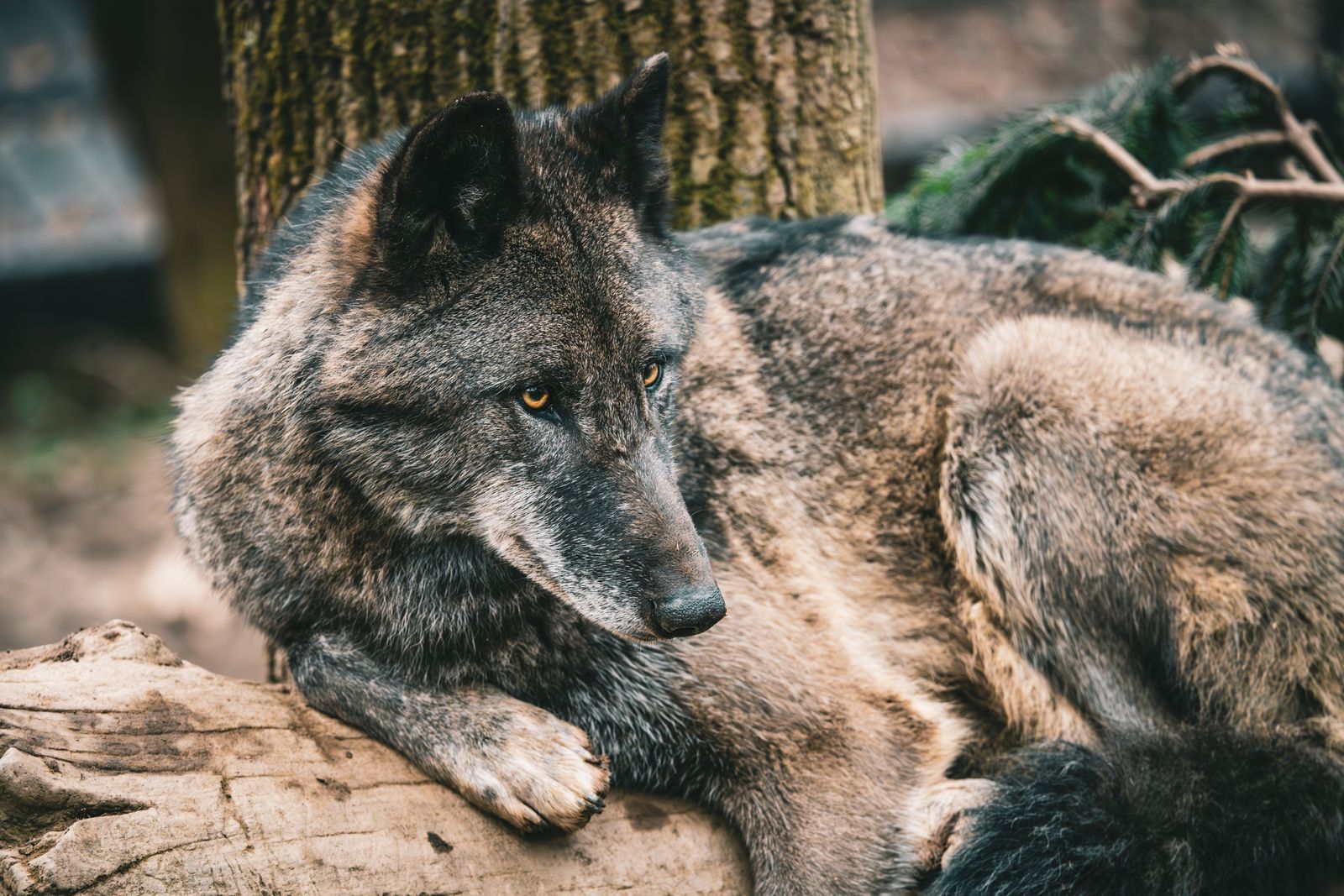
CDFW has documented five OR-7 offspring in California. They include the original Lassen breeding male, the Whaleback breeding female, the former Yowlumni breeding female and two other dispersing wolves. Through the Lassen and Whaleback packs, that family tree has continued into later generations.
That does not mean one wolf alone repopulated California. The state’s recovery also involved wolves from other Oregon packs and animals whose origins remain unknown. Even the Shasta pack, California’s first contemporary pack, was formed by two wolves from Oregon’s Imnaha pack rather than by OR-7 himself.
California’s wolf population has moved beyond six groups
The original article’s count of six wolf groups is no longer current. CDFW’s April-June 2026 update listed 11 active packs: Ashpan, Diamond, Grizzly, Harvey, Ice Cave, Interstate, Lassen, Long Valley, Tunnison, Whitehorse and Whaleback. The agency was separately reviewing the status of the Yowlumni pack because only one wolf had recently been detected in its territory.
The growth is visible in OR-7’s extended family. The Harvey pack’s breeding female came from the Whaleback pack’s 2021 litter, and Harvey produced at least four pups in 2026. The Whitehorse pack includes a female born into Whaleback’s 2023 litter and produced at least five pups in 2026.
Other packs have different lines of descent. The Interstate pack appears to straddle the Oregon-California border, while several current breeding animals arrived from different Oregon populations or have not yet had their origins established. California’s return is therefore best understood as a network of dispersing wolves, with OR-7’s lineage occupying a prominent but not exclusive place within it.
Recovery also brings livestock conflict
The expansion has created difficult encounters with cattle operations. CDFW conducted 267 wolf-livestock depredation investigations in 2025, with 198 losses classified as confirmed or probable wolf depredations. Ninety of those losses were attributed to the Beyem Seyo pack.
The state paid more than $354,000 to 38 applicants in seven counties for livestock deaths and injuries determined to have been caused, or probably caused, by wolves. Officials and partner organizations also used hazing, carcass removal, monitoring and other deterrence measures to reduce conflict.
Those efforts did not prevent every lethal action. CDFW’s annual management report records the removal of four Beyem Seyo wolves in 2025 after chronic livestock depredation. It was California’s first lethal removal of wolves in recent history.
That action makes one point especially important: endangered-species protection is strong, but it does not mean authorized lethal management can never occur. The legal and administrative process is far narrower than ordinary hunting, yet the original claim that lethal removal was entirely unavailable was incorrect.
Federal protection remains unsettled
As of July 24, 2026, the U.S. Fish and Wildlife Service stated that gray wolves remained protected under the federal Endangered Species Act across most of the contiguous United States. California wolves are also listed as endangered under state law.
The political position could change. In September 2026, President Donald Trump signed an executive order directing the Interior Department to consider removing gray wolves from federal protection. As the Guardian reported, the order gave the interior secretary three months to assess whether gray wolves and Mexican gray wolves had recovered enough to be delisted.
The order did not immediately remove existing protections. It began another federal review while earlier attempts to delist wolves remained tied up in litigation. California’s separate endangered-species listing also remained in place.
What OR-7 changed
OR-7 did not create California’s recovery by himself, but his journey demonstrated that recovery could happen without animals being trapped and transported into the state. He crossed the border under his own power, returned north, reproduced and produced offspring that repeated the movement.
His descendants helped establish the Lassen and Whaleback packs. Their descendants then moved into other territories, reproduced and connected areas that once appeared isolated on a map. The process involved other founders, failed packs, disease, vehicle deaths and conflict with livestock, but OR-7’s family remained threaded through it.
What began as a signal from one radio collar is now recorded in den surveys, genetic samples and trail-camera images across California. The path OR-7 opened is no longer a single line running south from Oregon. It has become a living network of packs, pups and dispersing wolves moving through a state where the species had been absent for nearly nine decades.