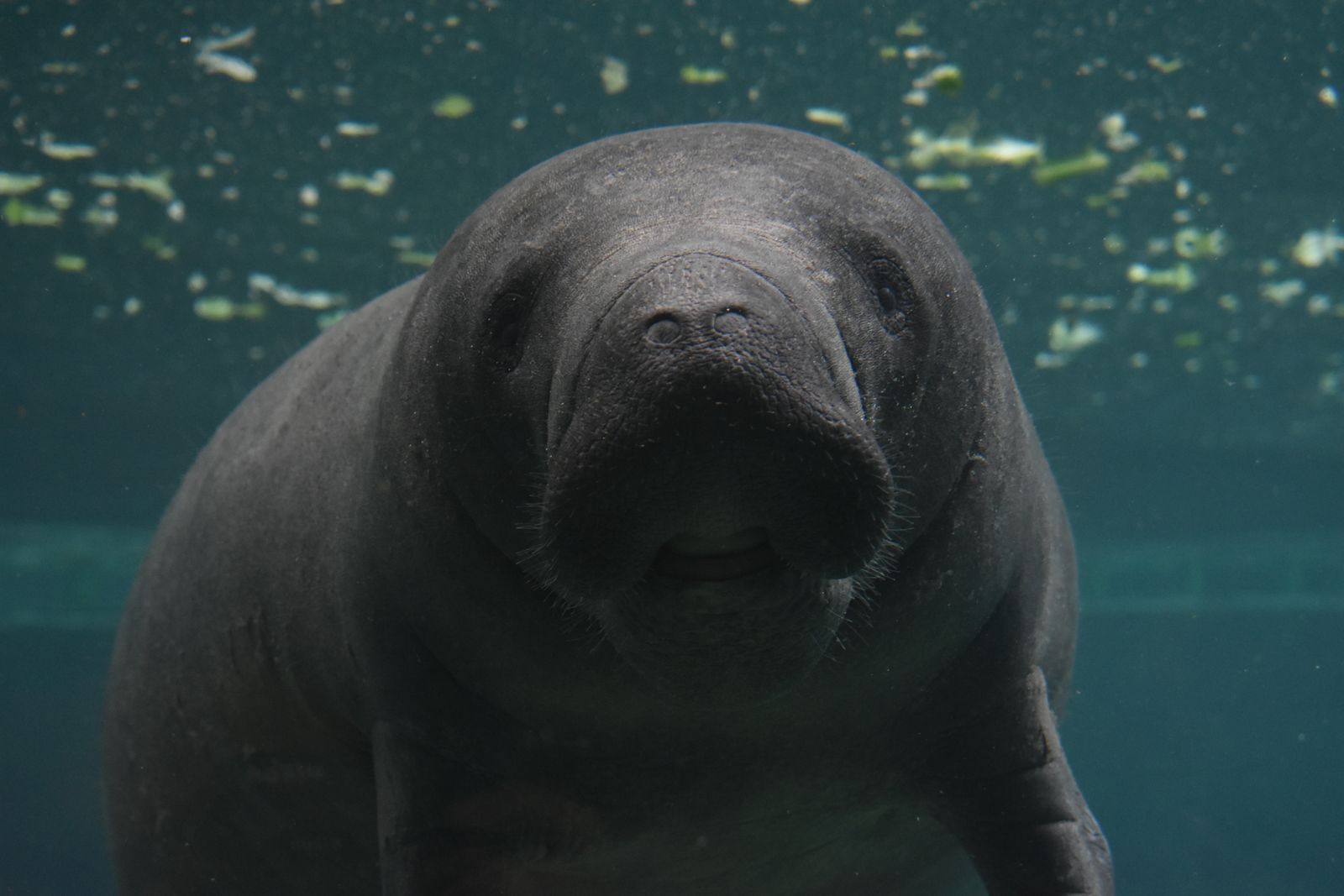
Every winter, cold fronts push through north Florida and hundreds of manatees converge on the spring-fed waters around Crystal River. WSVN documented hundreds of animals huddling at Three Sisters Springs during a January 2026 cold spell, their backs packed across the blue water as they surfaced for air.
The attraction is not simply comfort. The Southwest Florida Water Management District says the spring water emerging into Crystal River and Kings Bay is 72 degrees Fahrenheit year-round. During colder periods, Gulf water can fall to around 50 degrees, well below the temperature manatees can tolerate for extended periods.
Why 68 degrees is a dangerous threshold
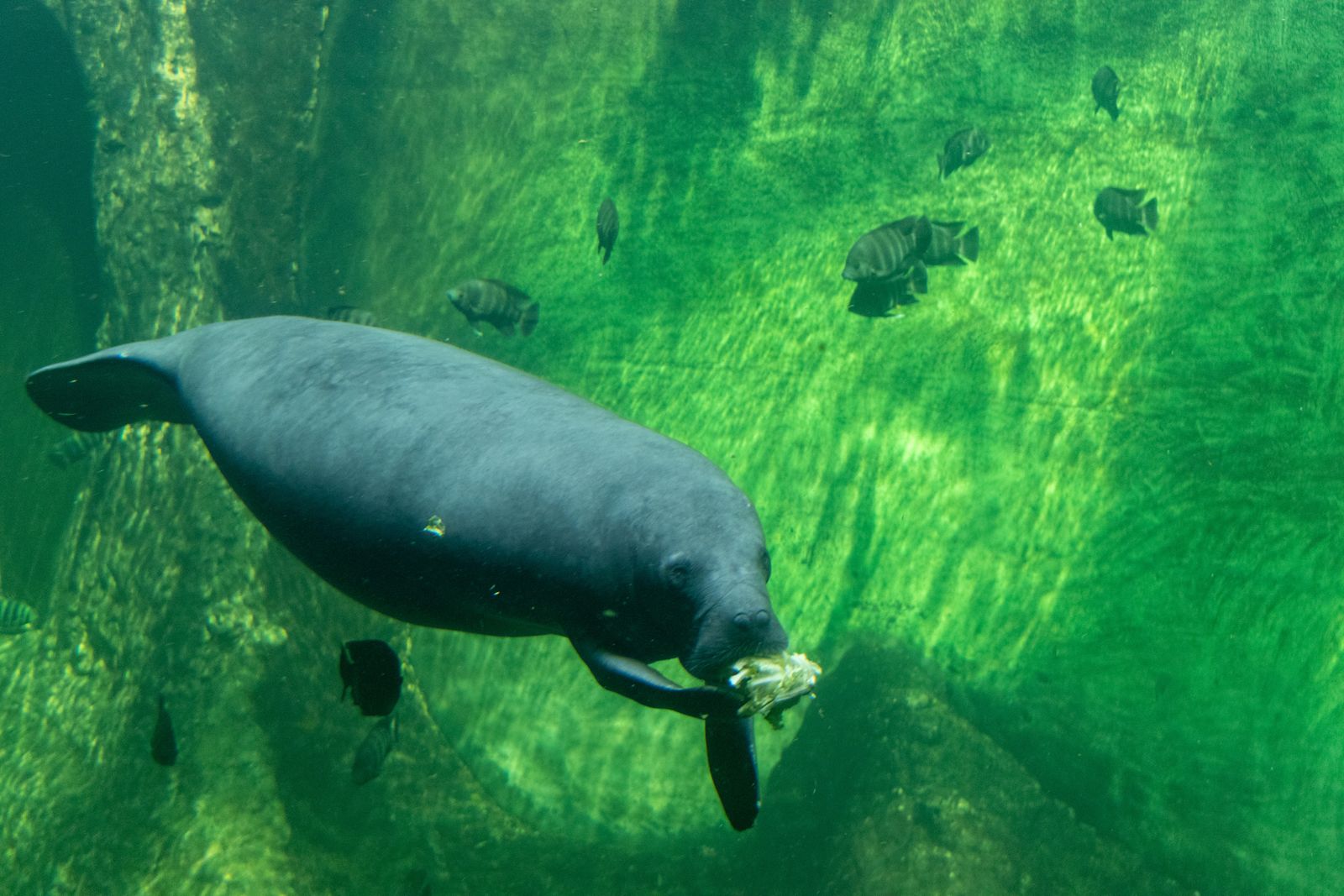
Florida manatees are not freshwater mammals. The U.S. Fish and Wildlife Service classifies them as marine mammals that use marine, brackish, and freshwater habitats. What makes winter difficult is their limited tolerance for cold water: extended exposure below about 68 degrees Fahrenheit can become dangerous.
Cold stress is more than an animal simply feeling chilled. The Florida Fish and Wildlife Conservation Commission says cold-stressed manatees can develop skin lesions and undergo metabolic shutdown, potentially leading to emaciation, dehydration and secondary infections.
That gives the winter migration toward warm water a hard biological logic. A few degrees can move an animal from water it can tolerate into conditions that become dangerous when exposure continues.
How Crystal River provides warm water
Crystal River and Kings Bay are fed by groundwater moving through Florida’s limestone aquifer. Because the spring discharge remains close to 72 degrees throughout the year, it feels cool during a Florida summer but becomes comparatively warm when surrounding rivers and coastal waters lose heat in winter.
The distinction matters. The spring discharge itself is the stable source of warmth; water farther from the vents can cool as it mixes with river and tidal water. Manatees respond by concentrating in and around the warm-water areas when colder conditions arrive.
This is why the springs function as thermal refuges. They do not have to be hot. They simply have to remain above the range in which prolonged cold exposure begins damaging a manatee’s body.
The winter gatherings can reach into the hundreds
The scale becomes most visible during strong cold fronts. On New Year’s Eve 2025, video provided by the Southwest Florida Water Management District showed up to 300 manatees at Three Sisters Springs.
Larger aggregations have also been reported. During another cold wave in early February 2026, Moneycontrol reported that at least 500 manatees sheltered at Three Sisters Springs.
The number in the spring at any particular moment changes with weather and water conditions. What remains consistent is the reason for the concentration: when surrounding water becomes too cold, access to warmer refuge water becomes critical.
A refuge created specifically for manatees
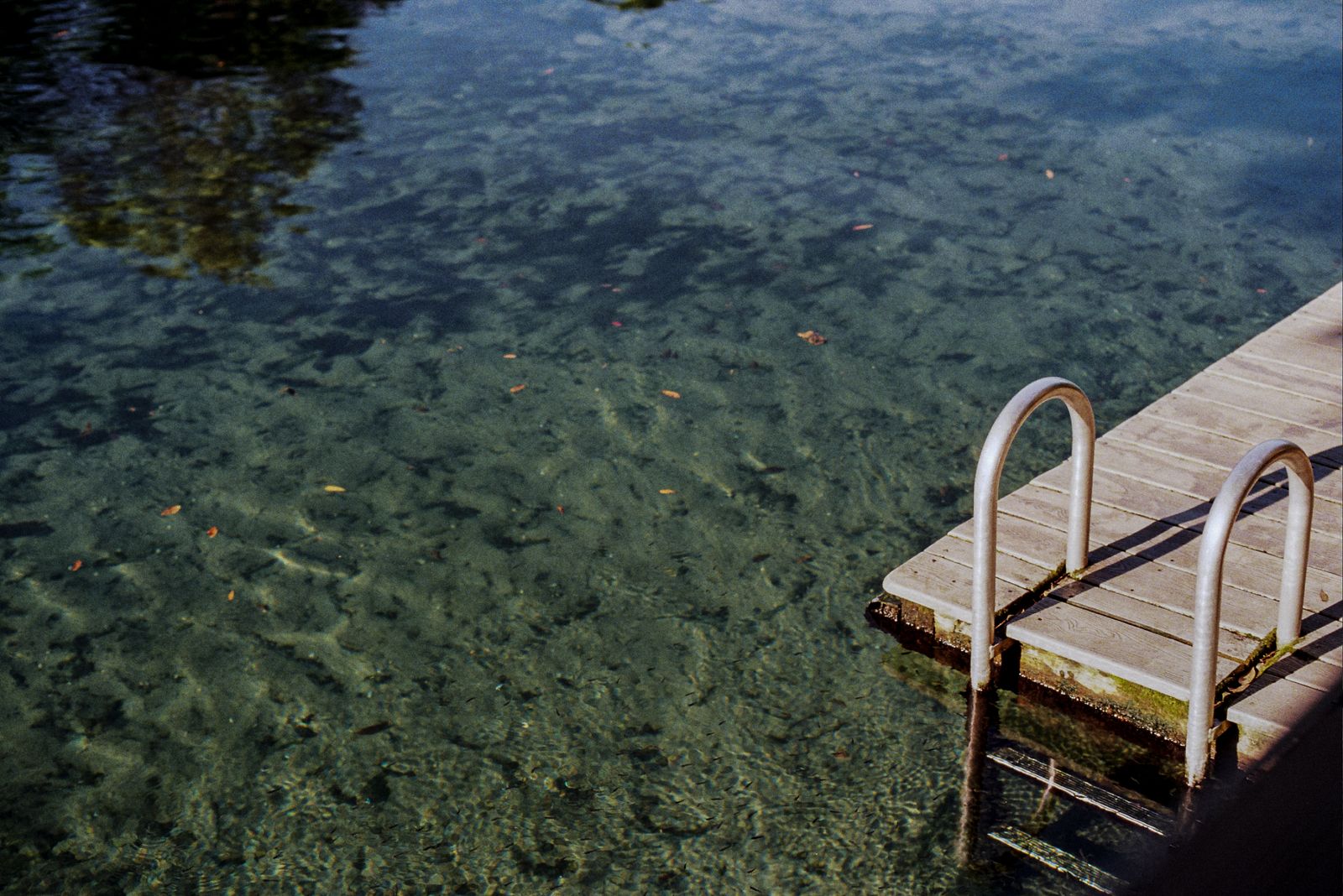
Crystal River’s protections are not incidental. Crystal River National Wildlife Refuge was established in 1983 specifically for the protection of the threatened Florida manatee. The same federal overview says more than 600 manatees migrate to Kings Bay each winter.
The refuge manages access to the warmest water as part of that mission. The U.S. Fish and Wildlife Service says seven warm-water sanctuaries are managed in Kings Bay during the winter manatee season, with seasonal and temporary closures used to limit disturbance when cold conditions make those areas especially important.
Human access is unusual but controlled. FWC describes Crystal River and Kings Bay as the only area in Florida where swimmers are monitored around manatees. Sanctuary restrictions and wildlife-viewing rules are intended to keep people from displacing animals from the warm-water habitat they are using to survive the winter.
Some manatees depend on power plants instead
Natural springs are only part of Florida’s warm-water network. Manatees also use heated discharges from power plants and other artificial thermal refuges along the coast.
That dependency has become a long-term conservation problem. FWC estimates that about 60 percent of the manatee population currently depends on industrial warm-water sources. If an aging plant is retired or its discharge changes, animals accustomed to returning there need another suitable refuge available.
Natural springs do not carry the same retirement risk. Protecting spring flow and access therefore has importance beyond the spectacle of a crowded winter pool: these sites are part of the warm-water network on which Florida’s manatees depend.
The Atlantic Coast mortality event showed how narrow the margin can become
Warm water does not protect manatees from every threat. Florida’s Atlantic Coast experienced an unusual mortality event associated largely with a severe loss of forage in the Indian River Lagoon.
FWC recorded 1,255 manatee carcasses during the Atlantic Coast unusual mortality event from December 1, 2020 through April 30, 2022. The agency identified starvation linked to inadequate forage as the primary driver of the elevated mortality.
That crisis was distinct from Crystal River’s winter cold-stress story, but it underscored the same broader vulnerability. Manatees have to find enough food, enough suitable habitat and dependable warm-water refuges, and a failure in one part of that system can leave animals with little room to compensate.
Protecting the spring edge
Maintaining the refuge also involves physical habitat work. The Southwest Florida Water Management District completed a canal shoreline stabilization project at Three Sisters Springs in November 2023. The work was designed to address erosion and improve habitat around the spring system.
That kind of project is less visible than a winter drone shot, but it is part of the same conservation effort. The clear water crowded with manatees exists inside a managed landscape of sanctuary boundaries, habitat restoration, boating restrictions and protected spring flow.
What winter looks like at Crystal River
As surrounding water cools, manatees move toward the springs and other thermal refuges. During severe cold events, portions of the refuge can be closed so that animals can occupy critical warm-water areas with less disturbance.
When conditions moderate, the concentration loosens and manatees can move back into surrounding waterways to feed. The dramatic winter gathering is therefore temporary, but the physical mechanism behind it remains remarkably steady.
The spring water continues emerging at about 72 degrees while the air and Gulf change around it. For a tropical marine mammal vulnerable to prolonged exposure below 68 degrees, that stable pocket of water is not simply a scenic winter gathering place. It is one of the places where Florida’s manatees can get through the cold.