On 11 June 2024, the journal Nature and a group of sister journals dropped 44 papers at once, the product of more than 100 institutions across over 25 countries working in coordinated effort over multiple years. The package is called the Space Omics and Medical Atlas, or SOMA, and it is the largest compendium of aerospace medicine and space biology data ever assembled. A significant chunk of it came from four private citizens who spent three days in orbit in September 2021.
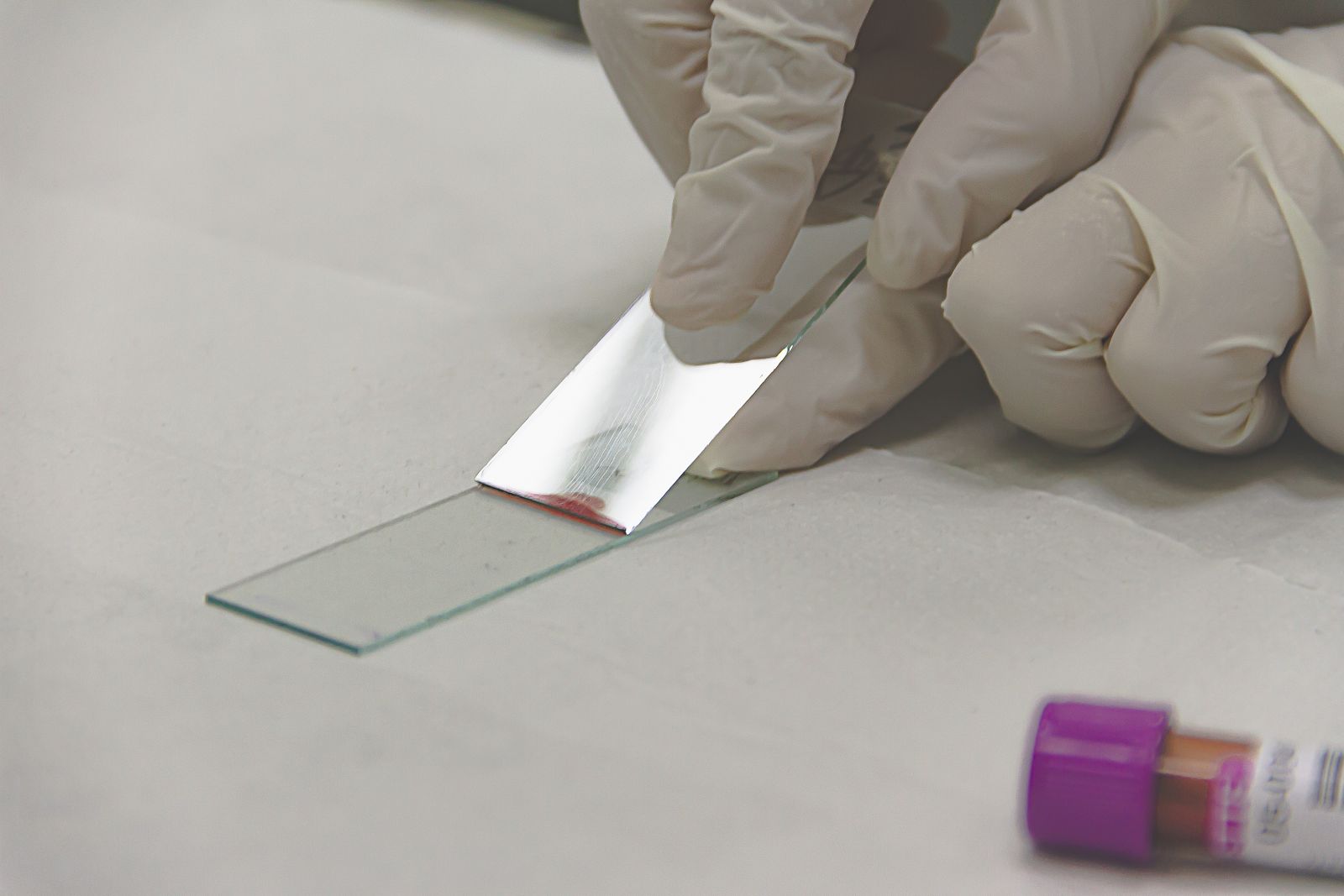
Those four were the crew of Inspiration4, the first all-civilian orbital mission. They flew higher than the International Space Station inside a SpaceX Dragon capsule. None of them were career astronauts. One was a physician assistant and childhood cancer survivor. One was a geoscience professor. One was a data engineer. One was a billionaire who paid for the seats. And each of them, before, during and after the flight, gave blood, saliva, skin swabs, urine and stool samples on a schedule that eventually produced 2,911 processed biological samples — the largest number from any single mission.
What SOMA actually is
SOMA is not a single paper. It is a coordinated release of manuscripts, raw data, protocols and code from laboratories on six continents, published across Nature Portfolio journals on the same day. The organising principle was simple: dump everything into the open at once, in one place, so nobody has to hunt for it.
The scale is what makes it new. The flagship SOMA paper in Nature describes the resource as delivering more than a tenfold increase in publicly available human space omics data. Nature’s summary of the wider package adds a fourfold increase in the number of single cells processed from spaceflight, the first direct RNA sequencing data ever produced from astronauts, and the first spatially resolved transcriptome data from astronauts — meaning researchers can now see which genes were switched on in which specific patch of skin, or which layer of a kidney, after a trip to orbit.
The data sits inside NASA’s Open Science Data Repository. Browser portals let researchers cross-reference Inspiration4 samples against the earlier NASA Twins Study, which followed Scott Kelly through his year on the ISS while his identical twin Mark stayed on the ground.
Why civilians changed the math
Career astronauts are, by design, an unrepresentative sample. They are screened, drilled, and medically curated. NASA and its partner agencies have never flown more than a few hundred of them in the entire history of human spaceflight, which is a thin dataset for any kind of population biology.
Inspiration4 broke that pattern. Hayley Arceneaux, the physician assistant, was a childhood cancer survivor. Sian Proctor was a community college geoscience professor in her fifties. Chris Sembroski was a Lockheed Martin data engineer. Jared Isaacman, the mission commander, was a pilot and payments-company founder. None had trained for years in the astronaut corps. Their biology, going in, looked much more like the biology of the people who will actually fly to orbit over the next twenty years as commercial spaceflight expands.
During the three-day mission the crew ran an unusually dense experimental protocol for a short-duration flight. They tracked heart activity and blood oxygen. They ran ultrasound scans on each other. They took swabs from surfaces inside the capsule and from their own skin. They banked blood at multiple points. Nature’s own summary of the SOMA release records that the crew’s in-orbit experiments contributed to most of the 44 papers in the package — a striking return on a mission that lasted less time than a long weekend.
What three days in orbit did to four bodies
The findings are unsettling in their consistency. Even in a flight shorter than a work week, the crew showed gene expression changes tied to DNA damage, immune activation, mitochondrial disruption, and markers associated with frailty and sarcopenia — muscle wasting normally seen in ageing patients on the ground.
Telomeres, the protective caps on the ends of chromosomes, lengthened during flight in all four crew members, a result reported by radiation cancer biologist Susan Bailey of Colorado State University in her account of the SOMA work in The Conversation. The same thing happened to Scott Kelly during his year on the ISS. The lengthening is not good news. It appears to be a stress response to radiation damage, and telomeres shorten again after landing — three of the four Inspiration4 crew showed that post-flight shortening, and Kelly’s remained shorter than his pre-flight baseline. Telomeric RNA, known as TERRA, spiked during spaceflight and also during high-altitude climbing, suggesting the mechanism is a general response to elevated oxidative stress, not something exotic to microgravity alone.
The kidney data was the strangest. In the SOMA renal study led by Keith Siew at University College London, spatial transcriptomics and imaging of mouse and archival human kidney tissue showed structural and gene-expression changes overlapping with the ontologies of chronic kidney disease, renal fibrosis and renal insufficiency on Earth. Mice given a Mars round-trip dose-equivalent of simulated galactic cosmic radiation showed persistent damage six months later. No kidney tissue was taken from the Inspiration4 crew; their contribution was plasma chemistry, and it still registered — the paper reports a degree of eGFR instability in the crew months after they returned.
Skin, the largest organ and the one most directly exposed to whatever a spacecraft cabin has to offer, showed pathway activation and inflammatory signatures. Exposed parts of the body picked up more microbial transfer from the Dragon capsule than covered ones. And the crew’s microbiomes drifted toward each other over the three days — the same convergence pattern seen among ISS astronauts on six-month rotations, and among athletes on the same team.
The sex-difference finding nobody expected to publish so soon
Because Inspiration4 flew two women and two men, and because the ISS-comparison data included both sexes, the SOMA team could look at sex-specific responses at a resolution previous missions did not allow. T-cells and monocytes showed the largest chromatin changes after spaceflight. Female crew members returned to baseline faster than male crew members across every cell type examined.
That is a small sample — four people — and the authors are careful about it. But it lines up with rodent data on sexual dimorphism in the immune response to ionising radiation, and it is the kind of signal that becomes actionable once the sample grows. If women’s immune systems recover from spaceflight faster than men’s, mission planning for Mars-class transits changes.
The infrastructure underneath
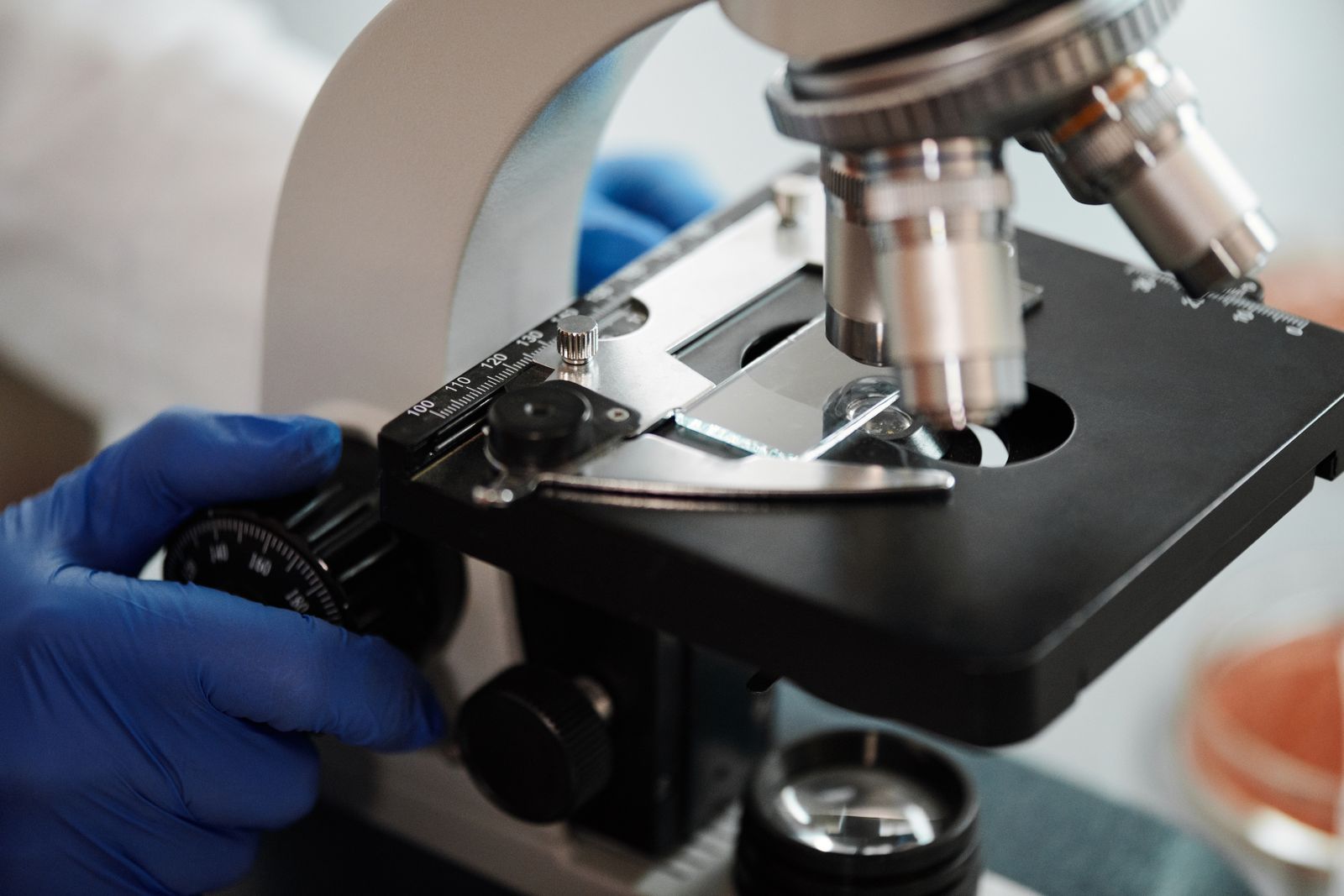
None of this happens without plumbing. SOMA launched a dedicated aerospace medicine biobank at Weill Cornell Medicine, which is now storing the physical samples for future re-analysis with instruments that don’t yet exist. The analytical work behind the package was spread across a training pipeline NASA had been building for years: the Spaceflight Technology, Applications, and Research course, a virtual programme aimed at principal investigators, senior research scientists and postdoctoral scholars entering space biology.
NASA’s published roster for the 2021–2022 STAR-2 cohort reads like a map of the disciplines SOMA would draw on two years later — Shane Hutson at Vanderbilt on 3D tissue models of organ development and wound healing, Abigail Koppes at Northeastern on gut-brain communication and microfluidics, Christopher Porada at Wake Forest on tissue models of radiation carcinogenesis, Lindsay Rutter at the University of Tsukuba on cell-free DNA and RNA in space omics, Christopher Thome at the Northern Ontario School of Medicine on low-dose radiation biology. The training pipeline was built before the data existed.
Comparisons that put the scale in context
NASA has flown people to orbit for more than six decades. Before SOMA, the single richest human dataset from that history was the Twins Study, which followed one pair of identical twins across one year. SOMA multiplies that by orders of magnitude: 44 peer-reviewed papers, thousands of samples, single-cell resolution, spatial resolution, direct RNA reads, and cross-mission integration linking Inspiration4 to ISS crews to rodent-model data.
The sampling density during the three-day mission was closer to a hospital ICU workup than to a traditional astronaut medical protocol, and it was executed in a Dragon capsule about the interior volume of a large SUV.
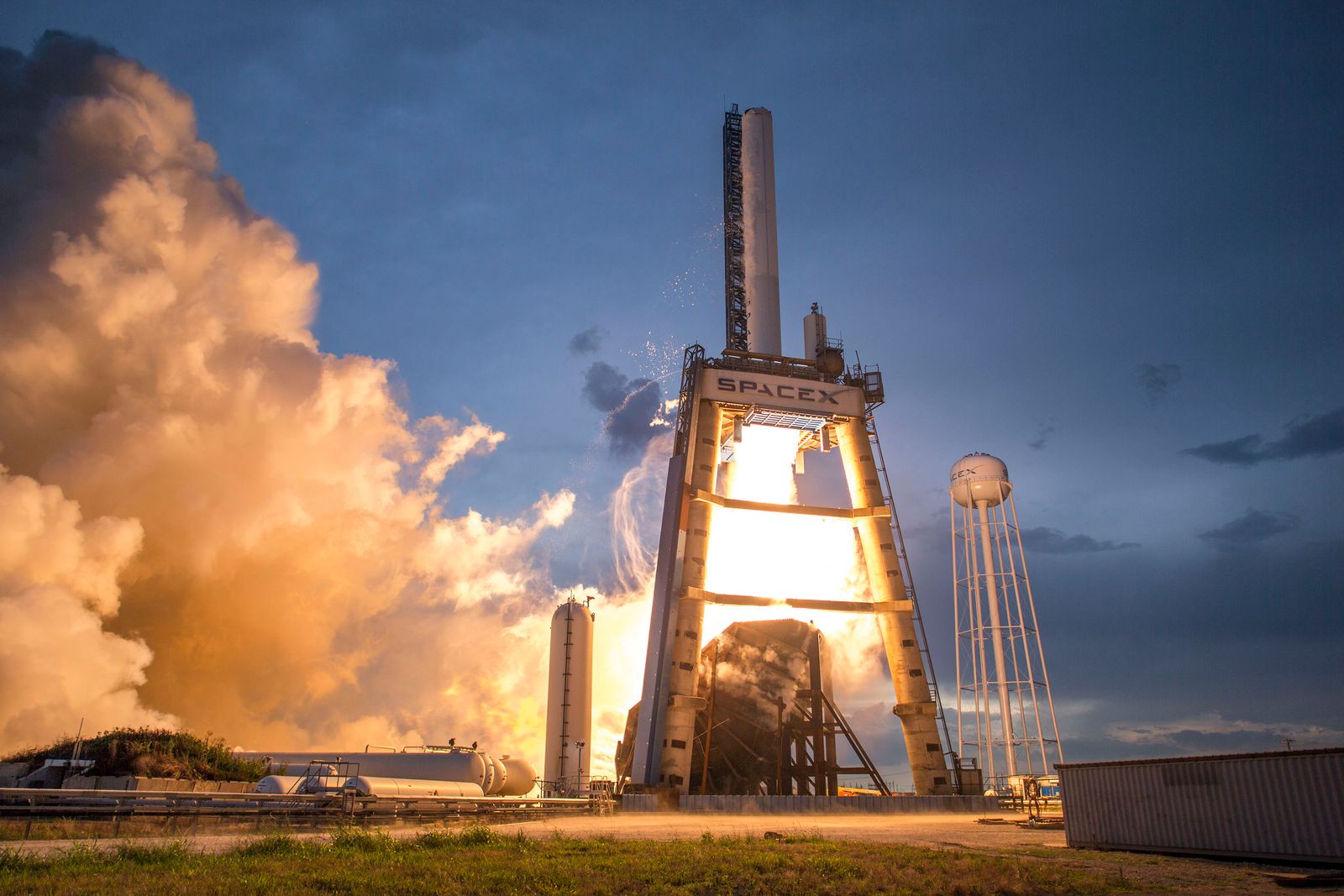
The mission itself was brief by spaceflight standards. Liftoff was 8:02 pm local time on 16 September 2021, from Kennedy Space Center pad 39A. Splashdown came three days later, off the Florida coast. In that window the Falcon 9 first stage separated at 80 kilometres altitude and returned to a droneship, and the Dragon capsule climbed high enough that the crew looked down on the ISS orbit rather than up at it.
What it connects to
Space biology of this scale changes what “astronaut” means. For most of the Apollo and Shuttle eras, astronauts were test subjects in the loose sense — their vitals were tracked, their post-flight physicals mattered — but the science of their bodies was secondary to the engineering of the vehicle. Spacewar has covered the older mode before, from Margaret Hamilton’s Apollo 11 flight software surviving the first 1202 alarm more than seven minutes before Armstrong landed to Alan Shepard smuggling a six-iron head onto Apollo 14 and hitting two golf balls in a pressurised suit. Those stories are about the machine and the person operating it.
SOMA is about the person as the experiment. The mission’s engineering is almost incidental to what the papers report. What matters is what happened to Hayley Arceneaux’s monocytes, what happened to Sian Proctor’s telomeres, what happened to cellular pathways in the skin patches nearest the capsule’s atmosphere.
The SOMA project site is now the reference index researchers point to when they want spaceflight molecular data, and NASA’s Ames Space Biosciences group maintains the linked archives feeding it. The pipeline is designed to keep growing — Polaris Dawn, which flew a similar civilian crew to a far higher orbit in September 2024, is already feeding follow-on samples into the same repositories.
The countermeasure question
Reading across the 44 papers, a consistent secondary theme emerges: candidate drugs. Quercetin, a flavonoid found in onions and capers, showed up in single-cell analyses of PBMCs exposed to simulated microgravity as a potential immune countermeasure. Existing sarcopenia drugs are being evaluated for astronaut muscle loss. Renal protective agents used in chronic kidney disease patients on Earth are being considered for Mars-transit crews.
None of these are approved for spaceflight use yet. But the pattern is clear: the SOMA data was built to be searchable by pharmacology teams, not just by physiology teams. Gene-compound enrichment analyses run against the atlas can flag existing drugs whose targets overlap with the pathways disrupted by spaceflight.
A trip to Mars, on current trajectory estimates, is roughly seven to nine months each way. Three days in low Earth orbit was enough to leave four healthy civilians with measurable kidney-function instability months after landing, and enough to move telomeres, chromatin and skin in directions nobody wants sustained. Multiply that exposure by a hundred, add galactic cosmic radiation outside Earth’s magnetosphere, and the pharmacology becomes non-optional. As Weill Cornell genomics professor Christopher Mason has argued, the private missions now generating this data are also the ones extending the runway for solving it.
The four civilians who splashed down off Florida on 18 September 2021 did not know, at that point, that their blood would generate the largest single-mission dataset in the history of human spaceflight, or that a collaboration spanning more than 25 countries would still be working through their samples three years later. The samples themselves sit frozen at Weill Cornell, waiting for whatever sequencer comes next.