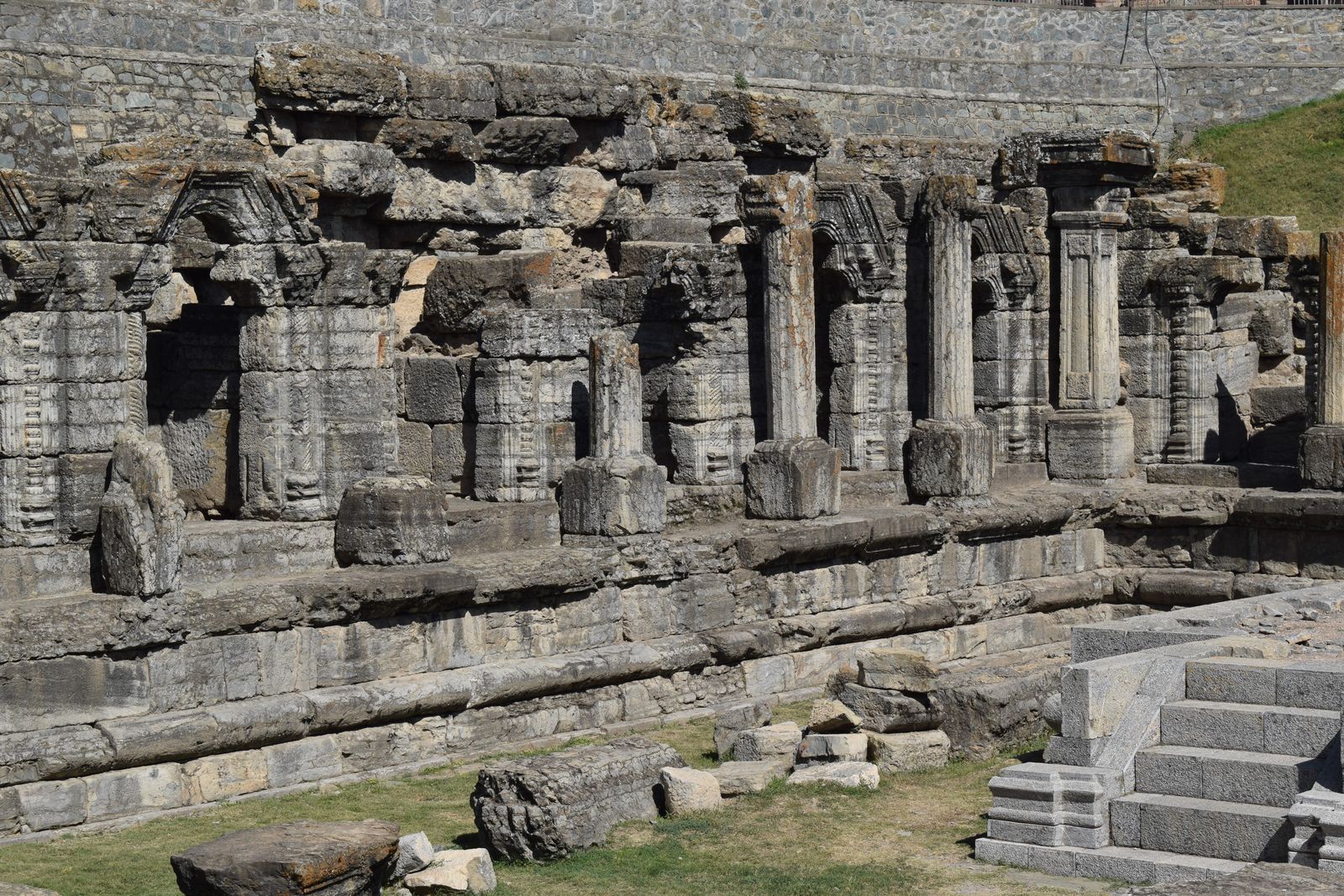
On a limestone ridge six miles from the Turkish city of Urfa, a cluster of T-shaped pillars weighing between seven and ten tons each stands in rings. The tallest reach 16 feet into the sky. They were quarried, carved with foxes, lions, scorpions and vultures, dragged into place and set upright roughly 11,000 years ago — about 6,000 years before the first sarsens went up at Stonehenge — by people who had no metal, no pottery, no wheel, no draft animals, and no writing. The site is called Göbekli Tepe, and it is the oldest monumental architecture yet found on Earth.
The answer to how they did it comes down to four things: soft local stone, flint tools, an unusually rich hunting landscape that could feed a large workforce, and sheer coordinated labour on a scale nobody thought hunter-gatherers were capable of mustering. German archaeologist Klaus Schmidt, who dug at the site from 1994 until his death in 2014, argued in interviews with Smithsonian Magazine that this inversion — monumental religion first, farming villages after — rewrites the standard story of how civilisation began.
The stone was already halfway to being a pillar
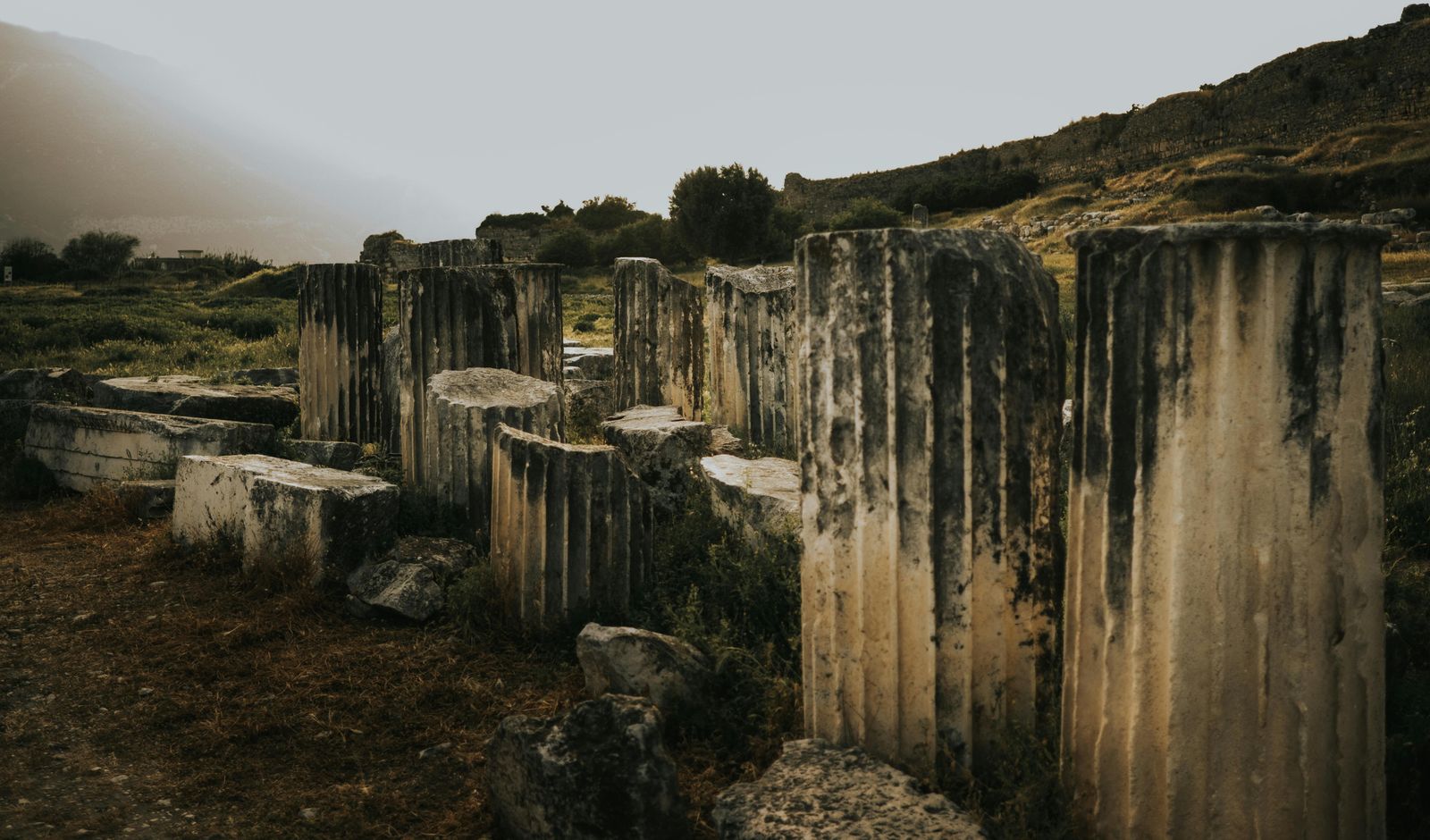
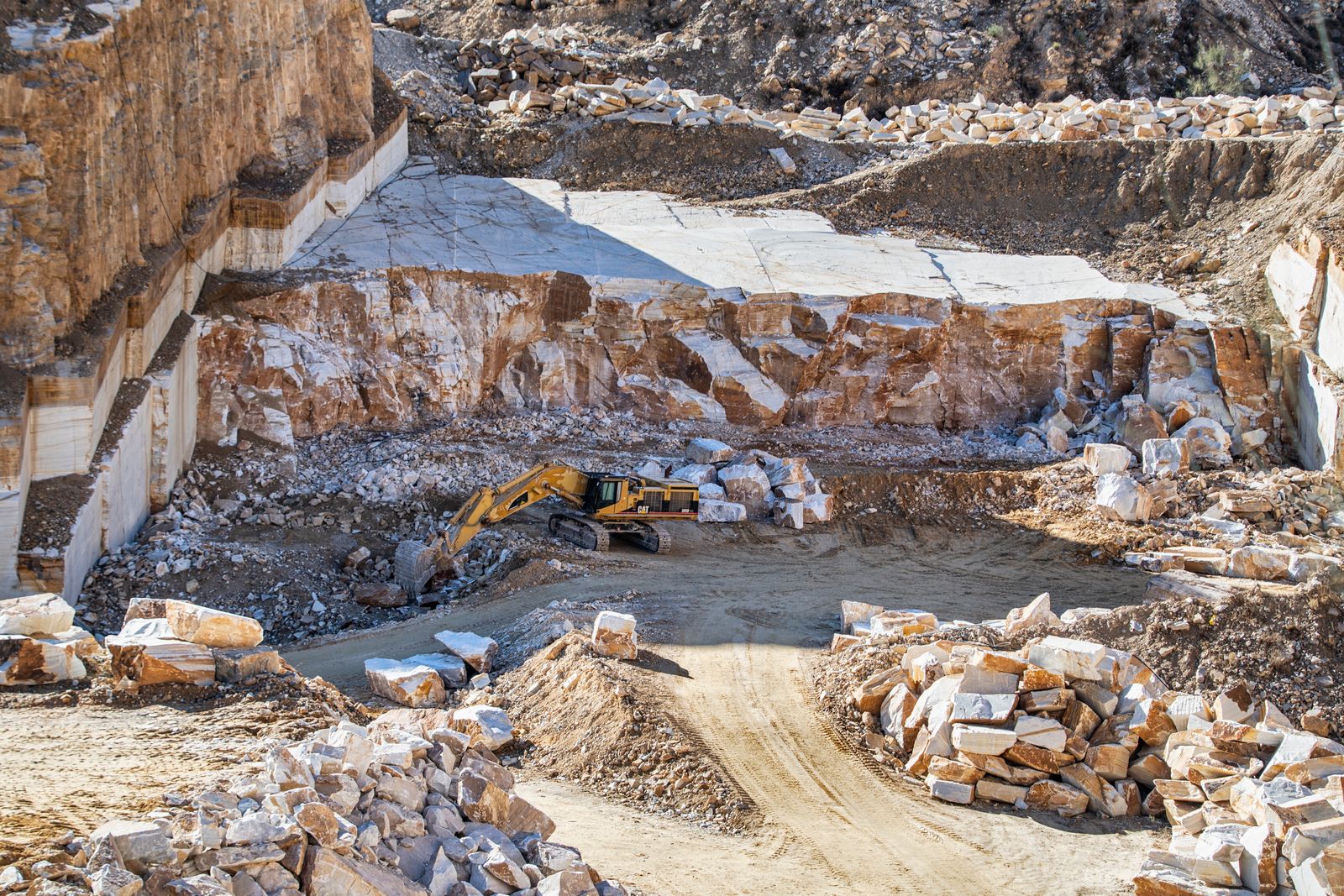
The first piece of the puzzle is geological luck. Göbekli Tepe sits on a bed of soft, layered limestone that fractures along natural planes. Prehistoric masons did not need bronze chisels or iron wedges to work it. They needed flint — and flint they had in abundance, chipped into hand-sized blades and hammers found by the thousands across the excavation.
The quarries sit within a few hundred yards of the summit. Workers could split a slab from the bedrock along its grain, rough it into a T-shape on the spot, and then drag it uphill. One unfinished pillar still lies in its quarry bed, cracked before it could be lifted, measuring roughly 23 feet long and estimated at close to 50 tons. That block never moved. The ones that did move — the seven-to-ten-ton pillars now standing in the rings — were within the range of what a few hundred people pulling on ropes and log rollers could shift across level ground.
No metal. No wheel. Just leverage, cordage twisted from plant fibre, timber sledges, and a lot of shoulders.
How many shoulders
Moving a ten-ton block a few hundred metres on log rollers requires somewhere between 200 and 500 people working in coordinated teams. Göbekli Tepe has hundreds of such pillars distributed across multiple rings, most still buried. Ground-penetrating radar and geomagnetic surveys mapped by Schmidt’s team identified at least 16 additional megalith enclosures beneath the surface across 22 acres, meaning the excavated portion is less than 5 percent of the total site.
That scale of construction demands a labour force that has to eat. And here the second puzzle piece slots in.
A paradise of gazelle and wild grain
Göbekli Tepe sits at the northern rim of the Fertile Crescent, the arc of watered land running from the Persian Gulf through the Levant to Egypt. Eleven thousand years ago the surrounding plain was not the dusty brown expanse it is today. It was scattered with pistachio and almond trees, threaded by rivers that pulled in migrating geese and ducks, and grazed by herds of gazelle drifting north each spring.
Archaeozoologists have examined more than 100,000 animal bone fragments from the site. Gazelle bones alone account for more than 60 percent of the total. The rest are boar, sheep, red deer, aurochs, and a dozen species of bird including vultures, cranes, ducks and geese. Every single bone comes from a wild animal. There are no domesticated sheep, no domesticated cattle, no pigs raised in pens. The people building Göbekli Tepe were pure hunter-gatherers.
Cut marks and splintered edges on the bones show the animals were butchered and roasted on site — presumably to feed the workforce during construction seasons. The volume of food waste suggests feasts, not household meals.
The theory it upended
For most of the 20th century, the standard model of the Neolithic transition ran in one direction: people first learned to grow grain and pen animals; farming produced surplus food; surplus food freed some hands from subsistence; freed hands built temples and cities. Religion and monumental architecture were the products of settled agricultural life, not its cause.
Göbekli Tepe reverses that arrow. The temple complex predates every known farming village in the region by roughly 500 years. Radiocarbon dating from the site places construction around 9500 to 9000 BCE. Domesticated strains of wheat appear in the region around the same period.
Schmidt’s argument, laid out in a decade of publications, was that the causation ran the other way. Hunter-gatherers gathered in large numbers to build something they believed in. Feeding those gatherings put pressure on the wild food supply. That pressure pushed people to experiment with cultivating the wild einkorn and emmer wheat growing on the surrounding hills. Farming, in this reading, is a byproduct of religion — not its precondition.
Ian Hodder, who spent decades excavating the nearby Neolithic settlement of Çatalhöyük, has argued that southeastern Anatolia played a crucial role in the development of complex Neolithic societies.
What the carvings show
The imagery on the pillars is not what you would expect from farmers worrying about harvests. There are no wheat sheaves, no cattle in yokes, no fertility figurines. Instead the stones crawl with predators and scavengers: lions with bared fangs, hunting foxes, coiled snakes, spiders, scorpions, and vultures with outstretched wings. Hodder described the imagery as depicting a threatening world dominated by dangerous animals.
French archaeologists working at contemporary sites in northern Syria have argued that the vulture imagery points to a specific belief. In many later cultures the vulture is the psychopomp — the bird that carries the dead to the sky. Similar vulture symbols appear at Tell Qaramel and Jerf el-Ahmar, suggesting a shared symbolic culture across the region.
That reading is reinforced by the human remains recovered at Göbekli Tepe itself. In 2017 researchers reported carved human skull fragments with deliberate grooves cut along the sagittal axis and drilled perforations. The German Archaeological Institute team found evidence suggesting ritual practices involving human skulls dating back 11,000 years. The skulls appear to have been suspended, possibly on cords, and displayed.
Neighbours, competitors, successors
Göbekli Tepe was not alone. Turkish archaeologists have been excavating Çakmaktepe, a nearby site in Şanlıurfa province that some researchers argue may be even older, part of a cluster of a dozen contemporary monumental sites now grouped under the Turkish designation Taş Tepeler — “the Stone Hills.” The picture emerging is not of a single unique cathedral but of a whole regional culture engaged in monumental stone-building over several centuries.
Downstream in time, the culture that grew out of these hills produced Çatalhöyük, the 9,000-year-old proto-city 300 miles to the west. DNA analysis of ancient skeletons from the site has revealed patterns in burial practices that tracked maternal lineage, with female infants buried with substantially more grave goods than males. The Anatolian Neolithic that Göbekli Tepe helped launch was, at least in some places, matrilineal.
Why they buried it
The strangest thing about Göbekli Tepe is not that it was built. It is that it was deliberately filled in. Around 8000 BCE, the builders — or their descendants — began packing the enclosures with limestone rubble, animal bones and flint debris until the great pillars were completely buried. Then they built new, smaller enclosures on top, and eventually buried those too. Layer upon layer, the hill rose 50 feet above the surrounding plain.
Nobody knows why. One hypothesis holds that each enclosure had a lifespan tied to a lineage or a generation, and was ritually retired when that lineage ended. Another suggests the burial was a form of concealment or protection. A third possibility is simpler: the covering preserved the older shrines while a new one was raised alongside, the way medieval European churches often incorporated the foundations of earlier chapels.
The burial is why the pillars survived at all. A monument left exposed for 11,000 years in a region of hard winter rain and 115-degree summers would have weathered to gravel. Sealed under packed earth, the limestone kept its carvings sharp enough that the foxes still bare their teeth.
The scale of what remains hidden
Schmidt mapped at least 16 additional stone rings still buried across the 22-acre summit. The current excavation covers less than one acre. He estimated that archaeologists could dig at the site for another 50 years and barely scratch the surface. Since his death, the Turkish Ministry of Culture and Tourism has kept the site open under a protective canopy while excavation continues under Turkish direction, part of a broader research programme now spanning at least a dozen related monumental sites in the region.
Archaeologist Gary Rollefson has noted that Göbekli Tepe is temporally closer to the Sumerian civilization than Sumer is to the present day, illustrating the site’s extraordinary antiquity. The first cuneiform was pressed into wet clay around 3300 BCE — closer in years to the smartphone than to the day the first T-pillar was hoisted upright on that Anatolian hill.
They had no metal. They had no wheel. They had flint, rope, timber, limestone that split cleanly, gazelle to eat, and a reason — whatever it was — to spend generations of collective labour raising rings of carved stone taller than any human standing among them. Whatever they were building for, they built it first. The farms came after.