
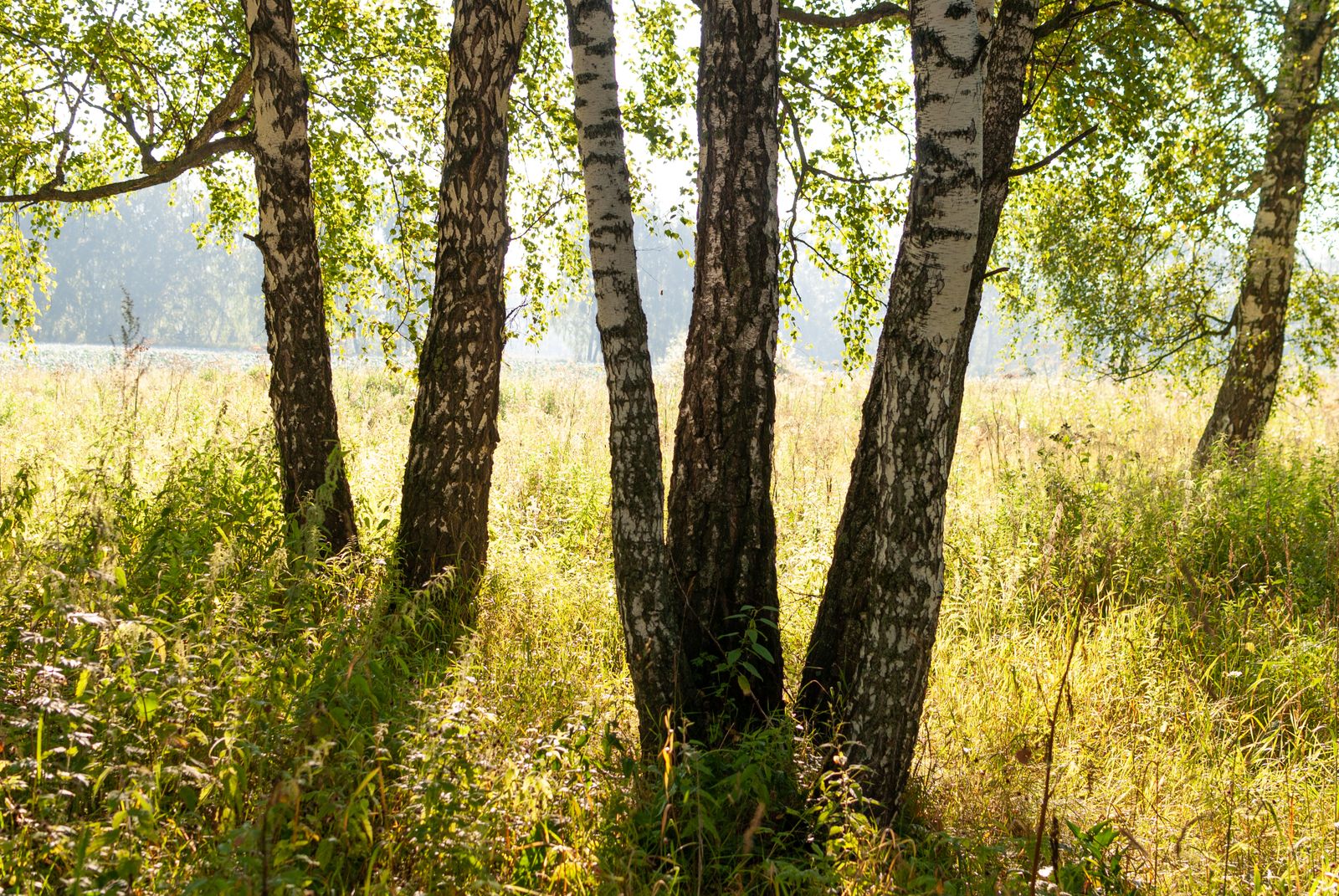
Iceland is planting its way back into forest one seedling at a time. When Norse settlers arrived around the year 874, roughly a quarter to a third of the island was covered in low, wind-bent birch woodland. By the early twentieth century, that number had collapsed to about one percent. Today it sits near two percent, the product of a century of state-run nurseries, volunteer plantings, and stubborn spruce and larch pushed into black volcanic soil that fights back.
The mechanism is a national reforestation program run by the Iceland Forest Service (Skógræktin) and a network of local forestry societies, backed by law since 1907 and accelerated since the 1990s with imported conifers, native downy birch (Betula pubescens), and a shift toward carbon-offset planting. Two percent sounds trivial. On an island of 103,000 square kilometres, it represents a doubling in roughly a hundred years, on ground where every young tree has to survive freezing wind, volcanic ash, and sheep.
What the Vikings found, and what they left behind
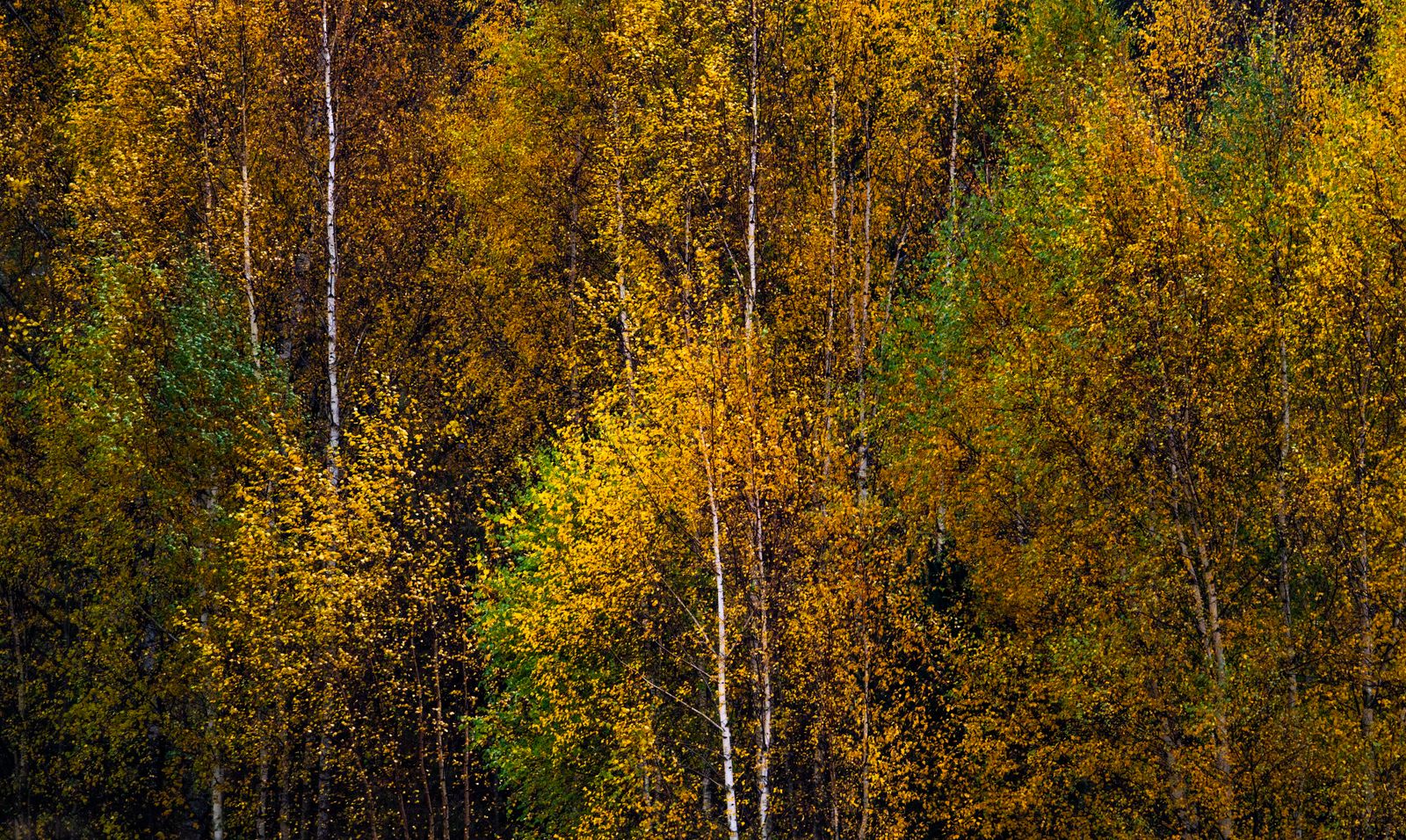
The island the Norse reached in the ninth century was not the bare, moss-green expanse tourists photograph now. Pollen cores taken from Icelandic lake sediments show birch woodland dominating the lowlands, mixed with willow and rowan. Within a few centuries of settlement, the pollen record shifts sharply toward grasses and sedges. The trees were cut for fuel, for charcoal to smelt bog iron, for building timber, and cleared to make pasture for sheep and cattle. By one widely cited estimate, settlers felled some 97 percent of the original woodland within a century of landing. What the axes left, the livestock finished. Sheep in particular eat birch seedlings before they can escape browsing height, which on an Icelandic hillside can take a decade or more.
By the time surveyors were cataloguing Iceland’s remaining woodlands around the turn of the twentieth century, they were counting groves, not forests. The birch that survived clung to steep gullies and lava fields where sheep could not easily reach. The rest of the island had been converted, tree by tree, into what an Icelandic saying captures with grim humour: if you get lost in an Icelandic forest, stand up.
Losing the trees was one thing. Losing the ground underneath them was another. Icelandic soils are largely andosols — light, ash-rich, and held together mostly by root networks and vegetation cover. Once the birch went, wind and water started stripping the topsoil off the underlying basalt. Research on aeolian processes in Icelandic outwash plains has documented how much fine sediment moves across the southern lowlands, part of a broader picture of ongoing soil erosion that Icelandic authorities have been trying to slow for over a century.
The Soil Conservation Service of Iceland was founded in 1907, under the same forestry and soil-conservation act that would establish the state forest service a year later, and for good reason. Planting trees on a hillside that is actively blowing away does not work. The two agencies have spent decades in a slow choreography: stabilise the soil with lyme grass and lupine first, then bring in the seedlings.
How the two percent was rebuilt
The rebuilding has been methodical and unglamorous. The forest service and its partner organisations have reportedly planted several million seedlings per year in recent decades, drawn from a mix of species chosen for what actually survives Icelandic conditions: native downy birch, Sitka spruce imported from Alaska, lodgepole pine from British Columbia, Siberian larch, and black cottonwood. A significant portion of planted stock is native birch, with the rest being conifers selected because they grow faster and can handle the wind.
Each seedling goes into ground that has usually been prepared by scarifying — dragging a plough behind a tractor to expose mineral soil and knock back competing vegetation. Typical planting densities range from thousands of stems per hectare. Survival rates in the first few years vary significantly depending on site conditions. A birch seedling in Iceland might take twenty years to reach two metres. A Sitka spruce, if it takes, can manage the same in ten.
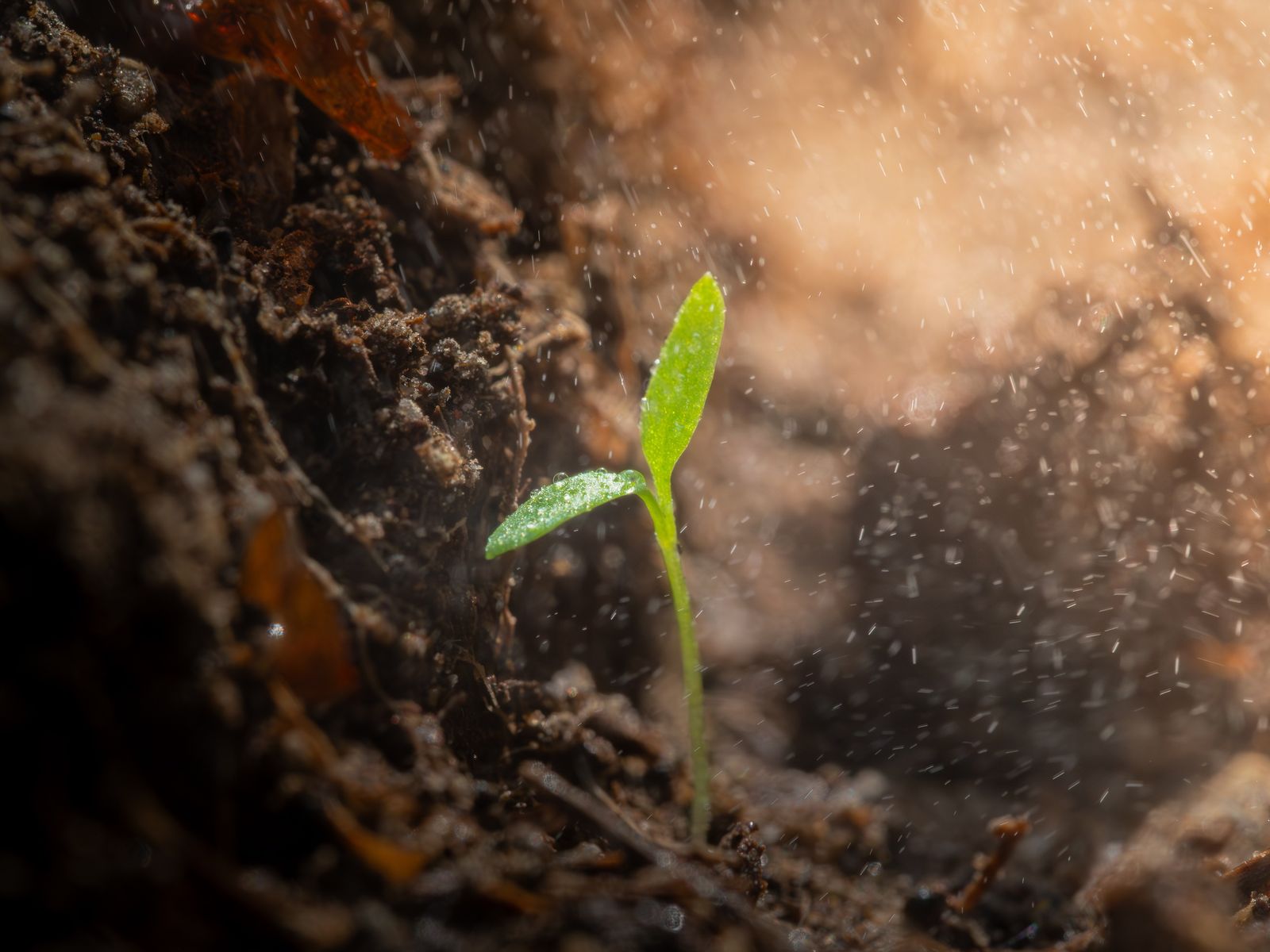
Doubling forest cover from one percent to two percent across roughly a century sounds like slow progress until you look at what a hectare of Icelandic forestry actually costs to establish. The growing season is short. Frost heave lifts seedlings out of the ground in winter. Sheep still roam much of the country under a centuries-old open-grazing tradition, and every planted area has to be fenced. Reindeer, brought from Norway in the late eighteenth century, browse young trees in the east. Volcanic eruptions periodically bury plots under tephra — the 2010 Eyjafjallajökull event and the 2021–2023 Reykjanes eruptions each disrupted local forestry.
And Iceland’s forests are competing with a much larger global pattern of loss. Global forest monitoring has documented the loss of millions of hectares of forest per year over the past decade — an area almost the same size as Iceland itself, disappearing annually. Against that backdrop, adding a percentage point of cover to a single North Atlantic island in a hundred years is a rounding error in global terms and a national achievement in local ones.
The species mix, and the argument it started
Not everyone in Iceland agrees on what a restored forest should look like. Ecologists who favour ecological restoration argue for expanding native downy birch, on the grounds that it supports the species assemblages — mosses, lichens, invertebrates, understory plants — that evolved with it. Foresters focused on timber and carbon argue for the conifers, which lock away more carbon per hectare per year and produce usable wood on a human timescale.
The compromise has been to do both. Sitka spruce planted in the mid-twentieth century now produce Iceland’s tallest trees: the record holder, a spruce at Kirkjubæjarklaustur in the south planted in 1949, was measured at 30.15 metres in 2022, the first tree known to pass 30 metres in Iceland since the last ice age. The old conifer stands at Hallormsstaður in the east — Iceland’s largest and oldest cultivated forest — run to comparable heights. Birch restoration on the Skeiðarársandur outwash plain in the south, meanwhile — a place that was pure black sand a generation ago — has produced one of the fastest-expanding natural birch woodlands in the country, spreading outward from small seed sources with almost no human help once grazing was excluded.
Iceland sits between 63 and 66 degrees north. The growing season on the south coast runs roughly from mid-May to mid-September. In the interior highlands, it is shorter still. A tree that manages 30 centimetres of vertical growth in a good year is doing well. Compare that to a Sitka spruce in coastal Oregon, where the same species can add over a metre annually, and the Icelandic arithmetic becomes clear. Every year of forest cover has to be earned against a climate that would rather grow moss.
The Iceland Forest Service publishes annual planting statistics and inventory updates, and total forest area — natural birch woodland and planted stands together — now covers around 2 percent of the country. The national forestry strategy sets a far longer horizon of 12 percent cover by 2100. A nearer ambition is tied to Iceland’s pledge to reach carbon neutrality by 2040, which forestry officials have said would require roughly doubling forest cover again within two decades. Whether either target is met depends on planting rates, funding, and whether the current pace of a few million seedlings a year can be sustained or expanded.
Carbon, offsets, and the money question
Since Iceland ratified the Paris Agreement, tree planting has taken on a second life as a carbon-offset industry. Icelandic forestry companies now sell verified carbon credits to airlines, cruise lines, and international firms looking to offset emissions from tourism to the island. The reforestation directory covered by Mongabay in November 2025 reflects a wider push to help donors and companies sort credible tree-planting programs from greenwashing, a distinction that matters when the underlying accounting relies on trees still being alive in fifty years.
Corporate platforms like Evertreen and similar reforestation services have made tree-sponsorship a standard corporate sustainability line item, and Iceland is one of the destinations that receives that money. The forest service has been careful about it. Icelandic carbon-forestry standards require documentation of species, density, survival monitoring, and a commitment to not harvest for carbon-crediting purposes for decades.
Why Iceland is the Nordic outlier
When Iceland appeared alongside its Nordic neighbours at Expo 2025 in Osaka, the shared talking point was forest cover. The Nordic Pavilion, as Metropolis Japan described it, was a 17-metre timber structure meant to evoke the region’s roughly 70 percent forest cover — a figure that fits Finland and Sweden neatly and describes Iceland not at all. Iceland was the outlier in the room, the Nordic country whose forest story is not one of stewardship of ancient woodland but of trying to rebuild one from almost nothing.
That framing matters, because Iceland’s version of restoration offers a different template than Scandinavia’s. Finland manages what it already has. Iceland is manufacturing forest, hectare by hectare, on ground that has not held trees in a thousand years. The two problems require different tools and different timelines.
The story of what Iceland lost has been refined in recent years by genetic work on the settlement period. Combined with sediment cores, tephrochronology from volcanic ash layers, and pollen records, the settlement-era environmental collapse in Iceland is one of the best-documented cases of rapid human deforestation in the North Atlantic.
The modern reforestation effort has been framed around the question of whether the trees the Vikings cut could ever be brought back. The answer, more than a century into the attempt, is qualified: partly, slowly, and with a different species mix. The birch is coming back where sheep are kept out. The conifers are filling in where speed and carbon storage matter more than historical fidelity.
What two percent looks like on the ground
Iceland’s forestry project sits within a broader family of slow ecological interventions that Spacewar has covered. There is the beaver-led wetland restoration work, where a single family of dam-building rodents raises water tables by close to a metre and locks away more carbon per hectare than surrounding forest. There is the Israeli drip-irrigation story, where a black plastic tube quietly rewrote what a desert country could grow. What ties them together is the same pattern: a small technical intervention, applied consistently for decades, producing a landscape-scale outcome that looks inevitable in retrospect.
Iceland’s version is a tree in a hole with a fence around it, repeated a hundred million times.
Drive the ring road today and the change is visible in patches. The Hallormsstaðaskógur forest in the east, planted mostly in the 1950s and 1960s, is dense enough to feel like a proper wood, with marked walking trails and cabins under closed canopy. The Vaglaskógur birch forest in the north, one of the largest surviving natural stands, has been quietly expanding for decades under grazing exclusion. Around Reykjavík, urban forestry plantings in Heiðmörk have turned former lava fields into recreational woodland used by roughly a third of the country’s population.
These are not vast forests by any external standard. Hallormsstaðaskógur covers about 740 hectares. Vaglaskógur is roughly 300 hectares. Set against the 10 million hectares Iceland occupies as a whole, they are dots. But they are dots that were not there a century ago, or existed only as sheep-cropped remnants of what the Norse settlers had ignored.
The two-percent figure will keep creeping upward for as long as the seedlings keep going in and the fences hold. It took roughly a thousand years to lose the first forest. Getting even a fraction of it back is a project measured not in political cycles but in the lifespan of a birch tree, which on an Icelandic hillside can be a hundred years, if the sheep stay out and the wind holds off.
