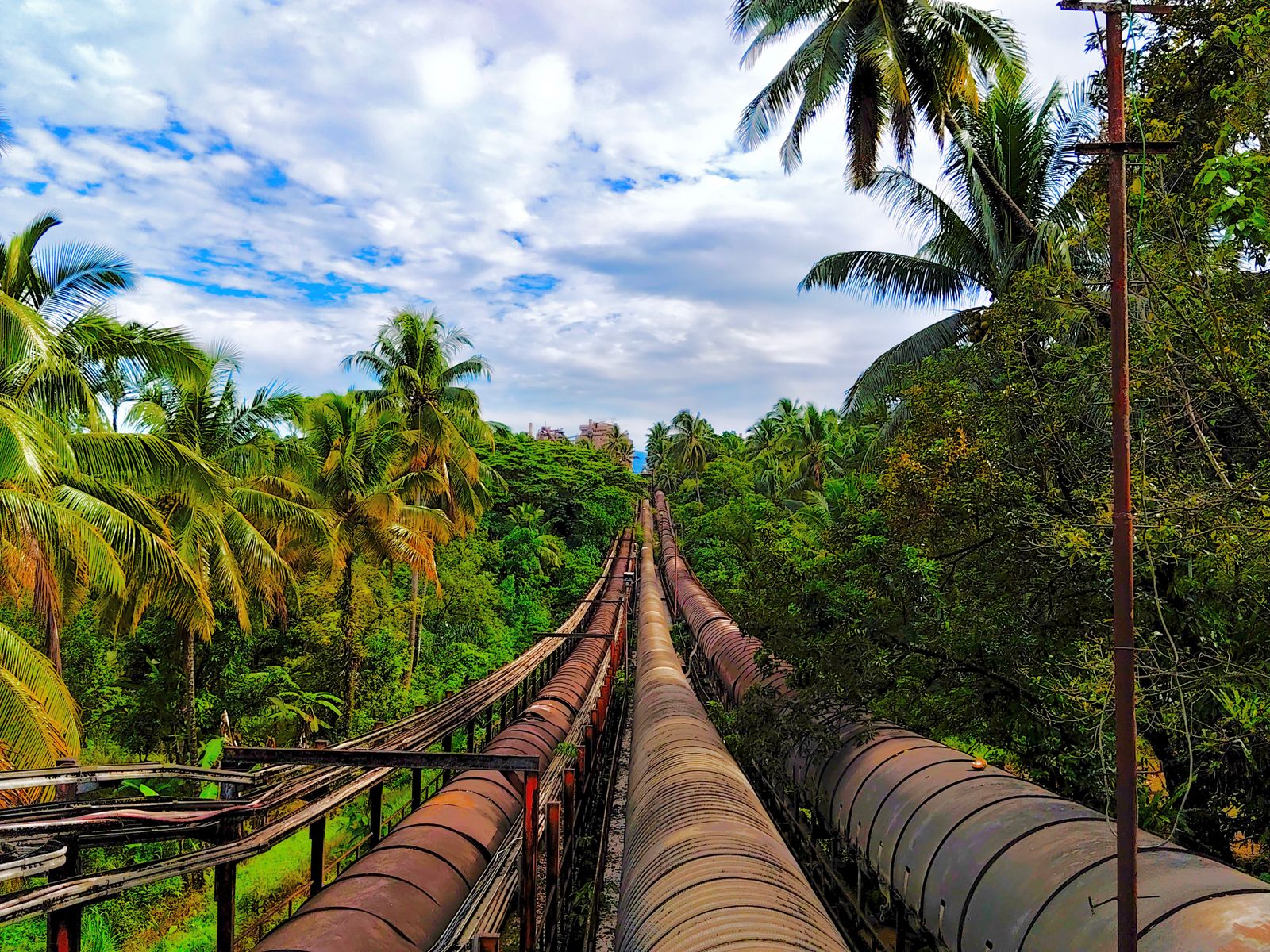
Ecuador is the country, and the answer lies in two competing promises written into the same political system. Its 2008 constitution granted nature enforceable rights, but it also retained state ownership of underground hydrocarbons and allowed extraction in protected areas after a declaration of national interest, as the constitutional text shows. That legal compromise preserved an oil-based development model even as Ecuador became the first country to place the rights of nature in its national constitution.
In August 2023, roughly 59 percent of voters ordered the government to leave the oil in Yasuní’s Block 43 underground. Yet the state company Petroecuador continued producing oil while closing wells gradually, averaging 42,105 barrels per day during the first half of 2026, according to a July 2026 status report. Ecuador had recognised the forest’s rights, and its voters had demanded an end to extraction, but the infrastructure and fiscal interests built beneath the forest did not disappear with either decision.

The constitution that held two futures
Ecuador’s constitution was drafted in Montecristi during the presidency of Rafael Correa and approved by voters in 2008. Its preamble describes nature as Pacha Mama, the living world of which human beings form a part, and connects national development with sumak kawsay, a Kichwa expression commonly translated as good living. The language represented a sharp departure from constitutions that treated environmental protection principally as a human interest.
Article 71 gives nature the right to the complete preservation of its existence and the maintenance and regeneration of its life cycles, structures, functions and evolutionary processes. Article 72 establishes a right to restoration, while Article 73 requires precautionary restrictions against activities that could destroy ecosystems or cause species extinction. Any person, community or nationality may ask public authorities to enforce those rights.
The Indigenous influence was important, but the constitutional language was not simply an Andean worldview copied into Western law. Legal scholar Mihnea Tănăsescu has argued that the relationship between Indigenous philosophies and legal personhood was partly strategic rather than genealogical. His comparative study of Ecuador and New Zealand describes rights of nature as a meeting point between different legal traditions, not a perfect translation of one into the other.
The same constitution also protected a different idea of sovereignty. Articles 1 and 408 declare non-renewable resources and underground hydrocarbons to be the inalienable property of the state. Article 407 prohibits extraction in protected and intangible areas, but creates an exception when the president makes a reasoned request and the National Assembly declares the project nationally important. Nature received rights, but those rights were placed beside, rather than above, the state’s authority over oil.
The forest above the oil
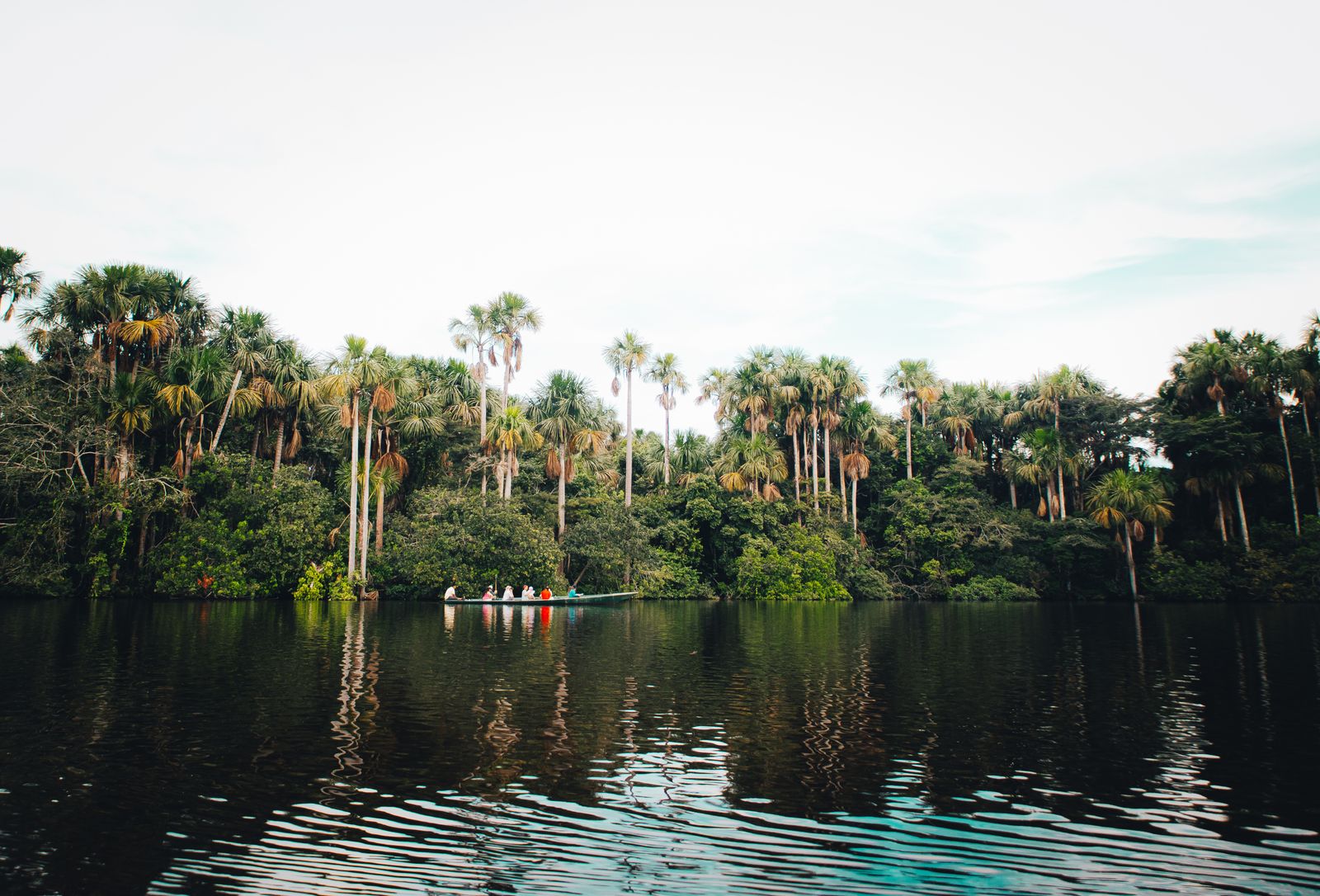
Yasuní National Park covers roughly 10,000 square kilometres of Amazonian forest in eastern Ecuador. It lies near the meeting point of the Andes, the Amazon Basin and the equator, a combination of geography and climate that supports extraordinary biological richness. A landmark peer-reviewed biodiversity assessment described Yasuní as one of the most biodiverse places on Earth.
The researchers documented at least 596 bird species and 150 amphibian species across the park. An average upland hectare contained about 655 tree species, more than the number of native tree species found across the continental United States and Canada combined. The study also cited an estimate of as many as 100,000 insect species within a single hectare.
Yasuní overlaps ancestral Waorani territory and is inhabited by at least two Indigenous groups living in voluntary isolation. Their geographic separation has never been absolute protection because roads, settlements and extractive projects can steadily reduce the forest around them. Similar pressures on isolated forest peoples in neighbouring Peru show how quickly remoteness can become a narrowing shield.
Oil development changes more than the land occupied by a well or platform. Access roads can fragment habitat, bring hunters and settlers deeper into the forest and create routes for additional clearing. The danger forms part of the wider pattern of oil pollution across the western Amazon, where concessions overlap protected forests and Indigenous territories.
The international bargain that failed
In 2007, Correa’s government proposed an unusual solution to the oil beneath Yasuní. Ecuador would leave the Ishpingo, Tambococha and Tiputini fields, collectively known as ITT or Block 43, permanently untouched if the international community compensated the country for half the revenue it expected to surrender. The proposal attempted to turn the forest’s stored carbon and biodiversity into a global public good that wealthy countries would help finance.
Ecuador and the United Nations Development Programme established a trust fund in 2010. The UNDP agreement estimated that the fields contained 846 million barrels of crude and that leaving them underground could prevent emissions of about 407 million metric tons of carbon dioxide. Ecuador sought $3.6 billion, approximately half the estimated value of the oil at the time.
International contributions never approached that target. Correa terminated the initiative in August 2013 and asked the National Assembly to authorise extraction, with the government’s own account later describing the proposal as a financial failure despite its international influence. The Assembly subsequently declared extraction nationally important under Article 407, and Block 43 began producing oil in 2016.
The decision cannot be explained by saying oil was Ecuador’s only source of foreign income. By 2025, petroleum exports were worth $7.75 billion and represented 20.9 percent of the country’s exports, while non-petroleum exports reached $29.4 billion, according to the Central Bank of Ecuador. Oil was no longer the country’s largest individual export, but it still generated substantial export earnings, government revenue and economic activity in a dollarised state that could not issue its own currency.
Rights that reached the courts and the ballot box
Ecuador’s nature provisions did not remain ceremonial language. Courts have used them to require restoration and stop projects when environmental authorities failed to account for ecological damage. The rulings demonstrated that an ecosystem could be defended for its own existence, rather than solely because environmental harm injured an individual property owner.
One of the strongest decisions came in the Los Cedros case. In 2021, Ecuador’s Constitutional Court found that environmental permits allowing mining activity in the protected cloud forest violated the rights of nature, the right to water and the right of affected communities to environmental consultation. The court ordered remedial measures and restricted mining activity covered by the challenged permits.
That ruling showed that nature’s constitutional rights could defeat government authorisations, but it did not erase every competing constitutional provision. Each dispute still depended on the affected ecosystem, the permits involved, the evidence of harm and the legal route used by the plaintiffs. In Yasuní, oil extraction had been approved through the constitution’s national-interest exception and supported by years of contracts and infrastructure.
Opponents therefore pursued a second constitutional mechanism: direct democracy. The Yasunidos collective submitted a proposed referendum in 2013, beginning a decade-long legal and administrative effort to bring Block 43 before the electorate. In May 2023, the Constitutional Court authorised the vote and ruled that a successful result would require the progressive and orderly withdrawal of all oil-extraction activity within no more than one year after official notification.
On 20 August 2023, approximately 59 percent of voters supported leaving the Block 43 crude underground indefinitely. The decision did more than repeat the general rights of nature. It removed the political balancing exercise for this specific oil block and gave the state a concrete instruction to withdraw.
The wells are closing, but the oil is still flowing
The government began the formal closure process on 28 August 2024 by shutting the Ishpingo B-56 well. Petroecuador’s 2025 accountability report says the company permanently closed 59 Block 43 wells by the end of that year. The closures show that the referendum has changed operations, even though they have not ended on the timetable voters were given.
During the first half of 2026, Block 43 still produced an average of 42,105 barrels per day. That was about 20 percent below its production during the corresponding period in 2023, but the block remained Ecuador’s fourth-largest producing field and supplied approximately 9 percent of national output. Petroecuador’s plan stretched the complete shutdown over five years and five months.
The government argues that wells must be abandoned carefully, equipment removed and contaminated or disturbed sites restored without creating additional environmental risks. Yasunidos and other campaigners respond that technical decommissioning does not justify continuing commercial production years beyond the referendum’s one-year limit. In November 2025, Yasunidos filed an action asking the Constitutional Court to determine whether the government had failed to comply with the result.
This is why constitutional recognition did not stop the drilling by itself. Ecuador created legal rights for nature while retaining state ownership of oil and an explicit national-interest route for extraction, then spent years building platforms, roads, pipelines and budget expectations around Block 43. The 2023 referendum changed the legal direction, but dismantling the system built under the earlier constitutional compromise became another political and legal struggle.
At a closed well, steel casing disappears beneath cement while insects and birds continue sounding through the surrounding forest. Elsewhere in Block 43, pumps still lift crude from beneath roots protected by the same constitution. Ecuador wrote Pachamama into its founding document in 2008 and voters added a withdrawal deadline in 2023, but beneath the Yasuní canopy in 2026, those two clocks are still moving at different speeds.