What's up in
Nukewars
Nuclear strategy, proliferation risks, deterrence policy, missile programs, arms control, and the geopolitical tensions shaping the nuclear age.
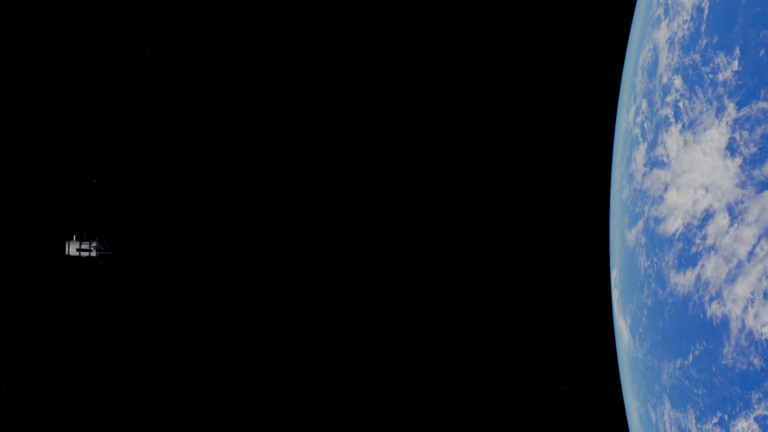
The GPS satellites orbiting 20,200 kilometres overhead must correct their atomic clocks by 38 microseconds per day, because Einstein's relativity predicts time itself runs faster up there where Earth's gravity is weaker
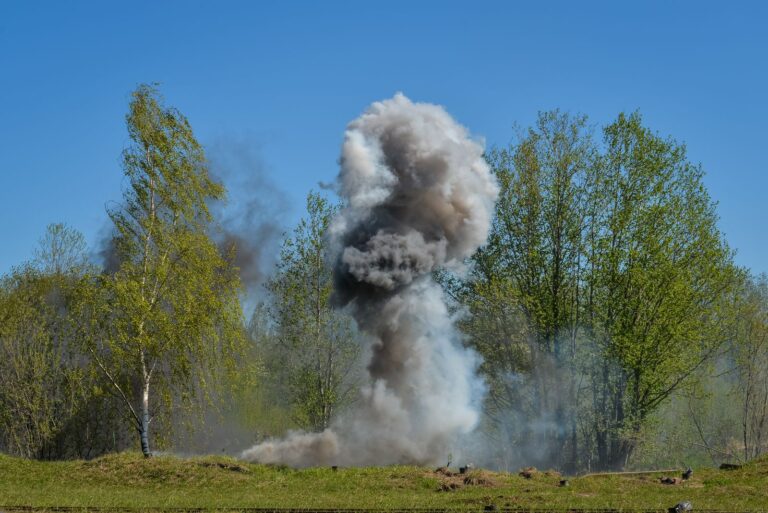
In 1961, a Soviet test over Novaya Zemlya detonated a 50-megaton hydrogen bomb called Tsar Bomba whose mushroom cloud reached 64 kilometres into the sky and whose flash was visible from roughly 1,000 kilometres away, still the largest explosion humans have ever produced
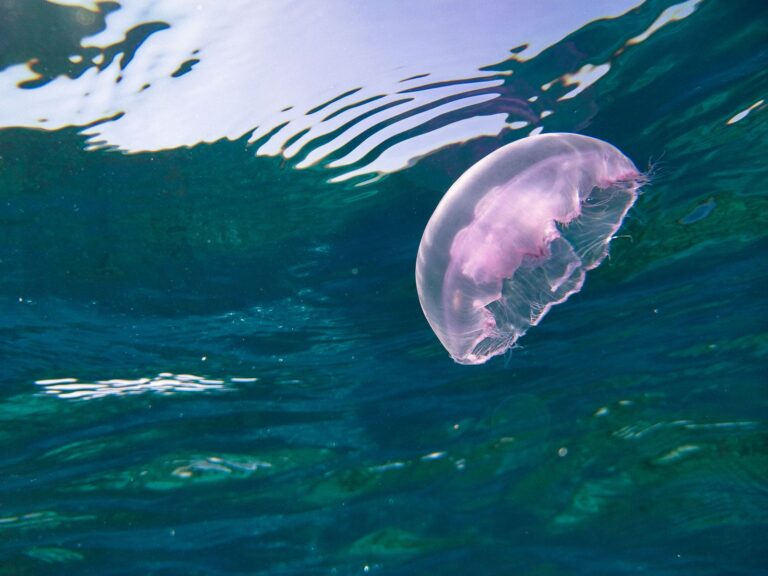
A tiny jellyfish called Turritopsis dohrnii can revert its adult cells back to a juvenile polyp when injured or starving, effectively restarting its life cycle and making it one of the only known animals with no fixed lifespan
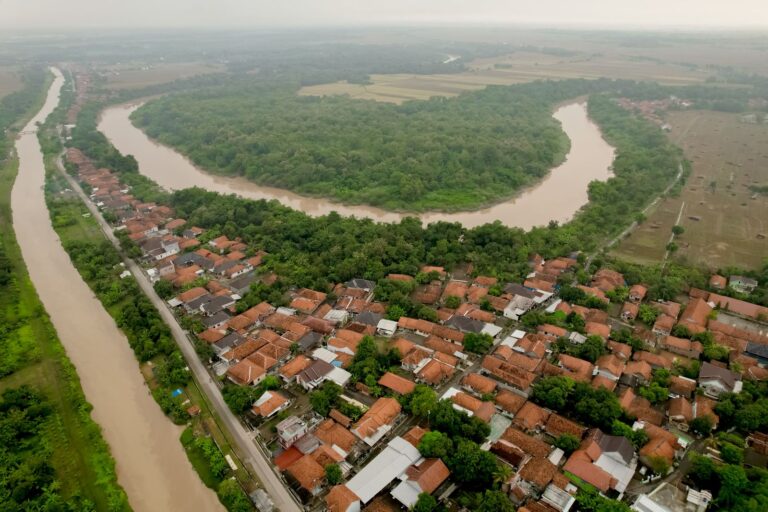
Why did a wealthy delta nation deliberately breach its own dykes and pay farmers to let the rivers flood their fields, after four centuries of building the walls ever higher?
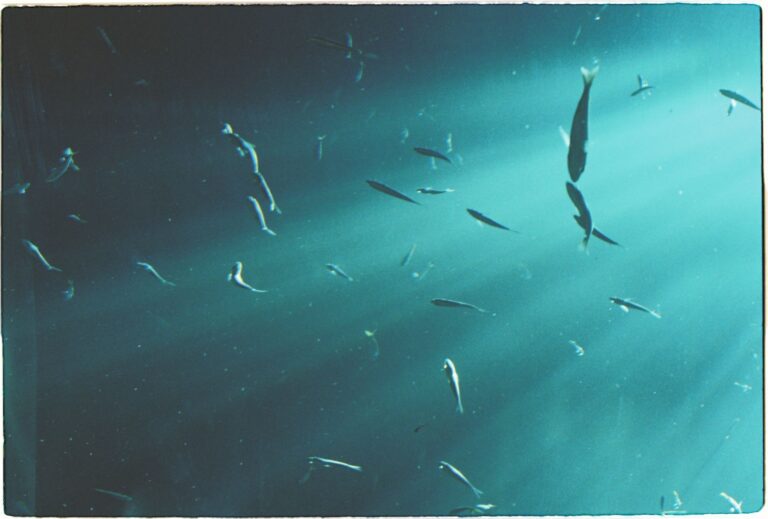
The USS Nautilus became the first submarine to cross beneath the North Pole in August 1958, travelling 2,945 kilometres under the Arctic ice cap on a single reactor core without surfacing
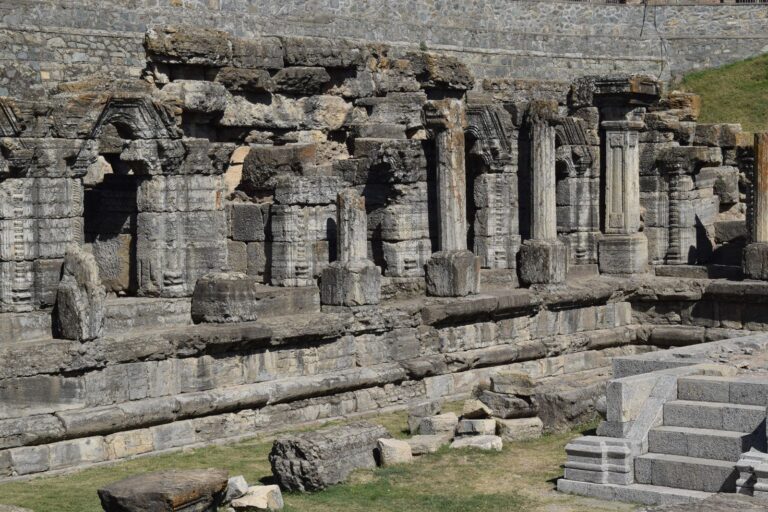
How did a temple complex in southern Anatolia get built roughly 6,000 years before Stonehenge by people who had neither metal tools nor the wheel?

How did a single quaking aspen colony in the mountain west spread across roughly 106 acres, weigh about 6,000 tonnes and share one root system, making it possibly the heaviest living organism on Earth?

What happened when a physician in 1854 mapped 578 cholera deaths onto a London street grid and traced the entire outbreak to a single wooden pump handle?
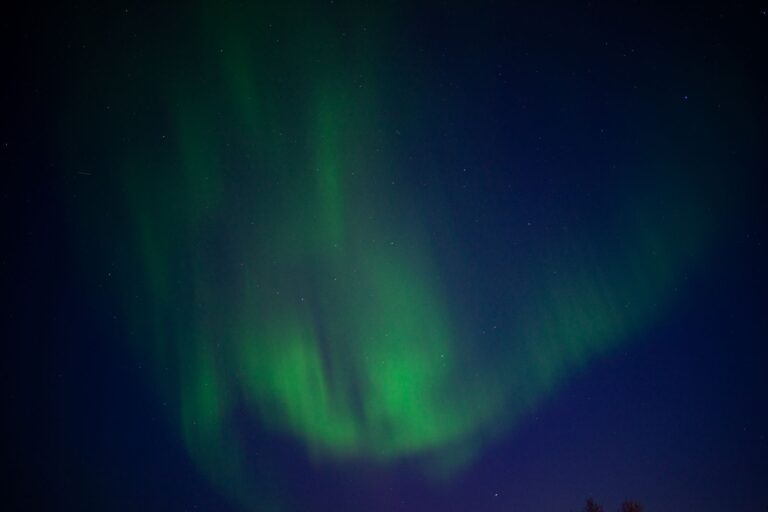
In 1859, a solar storm now called the Carrington Event induced currents so strong in telegraph lines that operators disconnected their batteries and kept sending messages powered by the aurora alone, with sparks jumping from the keys to their fingers
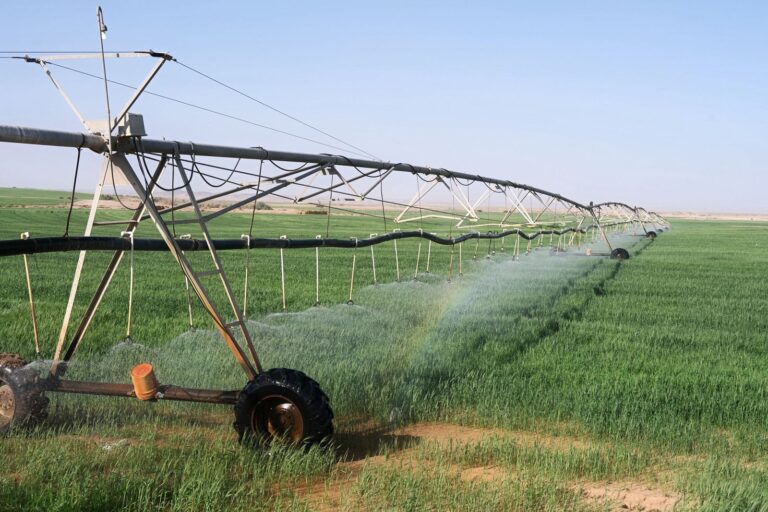
How did a desert nation with almost no freshwater rivers grow its agricultural output more than tenfold while cutting the water used to produce each crop, mostly by rethinking a black plastic tube?